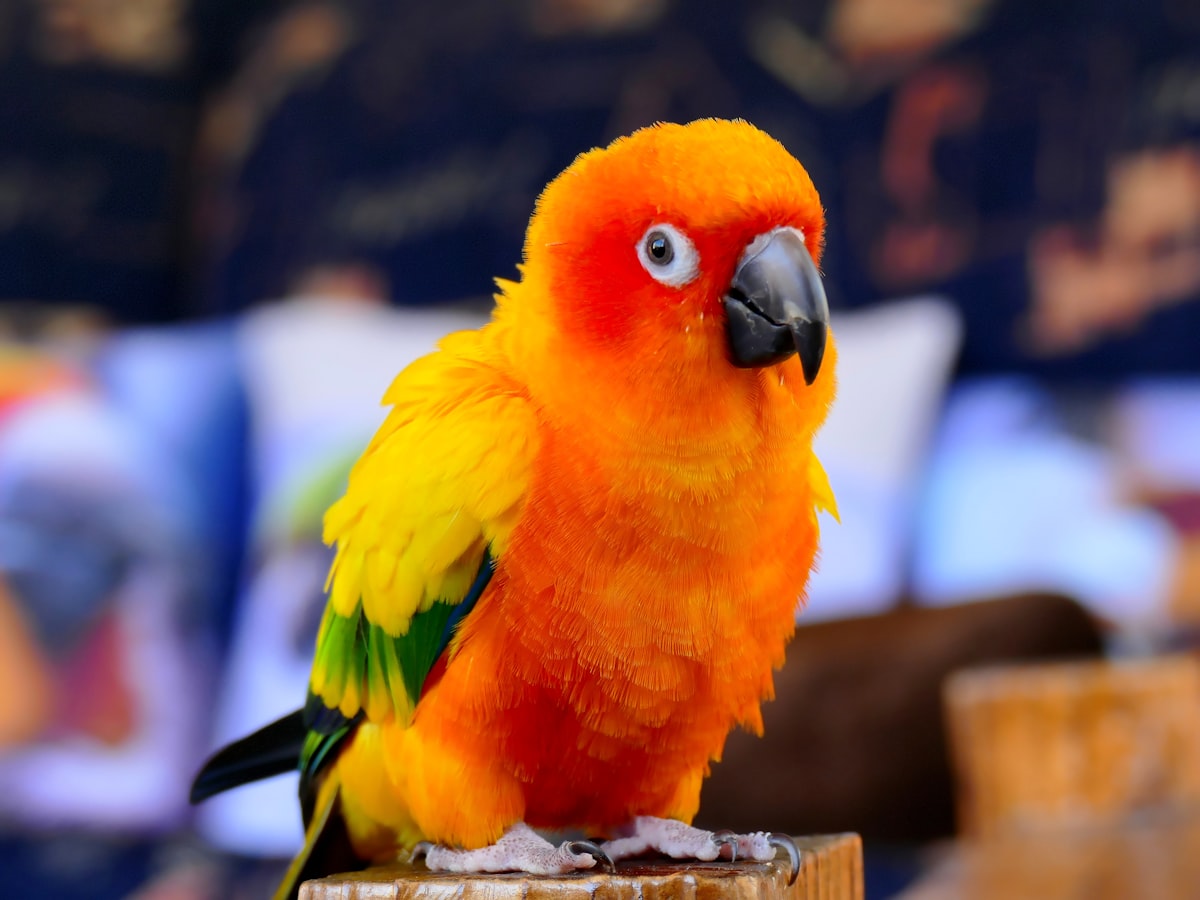
Bird Beak Trimming in Richmond Hill

A healthy beak is essential for eating, climbing, preening, and communication. When a bird's beak becomes overgrown or misaligned, it requires careful, experienced correction by a trained professional. At Avian Haven, we provide safe, stress-minimised beak trimming for companion birds of all species and sizes.

Why Professional Beak Trimming Matters

Unlike nails, a bird's beak contains blood vessels and nerve endings close to the surface. The beak is a living, growing structure made of keratin over a vascularised bone core. Improper trimming — cutting too short, using the wrong tools, or applying excessive force — causes severe pain, bleeding, and potential infection. This is not a procedure that should ever be attempted at home.

Overgrown beaks make it difficult or impossible for a bird to eat properly, leading to malnutrition and weight loss. A misaligned beak can also prevent effective preening, which compromises feather health and temperature regulation. Common causes of beak overgrowth include lack of appropriate chewing material in the bird's environment, nutritional deficiency (particularly vitamin A), liver disease affecting keratin metabolism, scaly face mites, and trauma or injury to the beak.

Beak trimming should only be performed by trained professionals or avian veterinarians who understand the anatomy, know where the vascular zone begins, and have the proper tools to shape the beak without cracking or fracturing it.

  • Upper beak curving well past the lower mandible
  • Scissor beak — lateral deviation of the upper or lower mandible
  • Visible flaking, peeling, or abnormal texture on the beak surface
  • Difficulty eating, dropping food, or inability to crack seeds
  • Overgrowth on one side causing asymmetry
  • Elderly birds with reduced chewing activity

Professional bird beak trimming service at Avian Haven Richmond Hill

How We Trim Beaks Safely

Every beak trim follows a careful, four-step process designed to ensure your bird's safety and comfort throughout the procedure.

Assessment First

Before any trimming begins, we assess your bird's beak thoroughly to determine whether the overgrowth is cosmetic or potentially medical in origin. If we suspect an underlying cause — such as liver disease, nutritional deficiency, mites, or PBFD — we refer you to an avian veterinarian before proceeding. A beak trim addresses the symptom, but the root cause must be identified and treated to prevent recurrence. We also evaluate the beak's overall condition, looking for cracks, discolouration, or soft spots that may affect our approach.

Dremel & File Technique

We use a rotary tool (Dremel) or hand file to gradually shape the beak — never clippers. Clippers apply a shearing force that can crack or fracture the beak's layered keratin structure, especially in larger parrots with thick, dense beaks. Filing and grinding allow us to remove small amounts of material at a time, shaping the beak to its natural contour without the sudden force that causes splits. This gradual approach also generates less stress for the bird and gives us precise control over how much material is removed.

Pain-Free Process

We work slowly and methodically, removing beak material from the tip inward. The outermost portion of the beak — like the tip of a fingernail — has no nerve endings and no blood supply. We stop well before reaching the sensitive vascular zone where blood vessels and nerves are present. After shaping, we smooth all edges so the beak functions naturally for eating, preening, and climbing. The entire process is designed to be as low-stress as possible, with calm, confident handling throughout.

Follow-Up Guidance

After the trim, we advise you on how to maintain your bird's beak health between visits. This includes providing a cuttlebone or mineral block for natural beak conditioning, offering natural wood perches of varying diameters and textures for the bird to chew and rub against, and ensuring the diet includes sufficient vitamin A through foods like sweet potato, carrot, and dark leafy greens. Proper enrichment and nutrition can significantly extend the interval between trims — or eliminate the need for future trims entirely.

When Beak Trimming Is Needed

Most healthy birds with proper enrichment and nutrition self-maintain their beaks through normal chewing, foraging, and rubbing activity. A bird that regularly uses cuttlebone, mineral blocks, and natural wood perches typically wears its beak down at the same rate it grows. Trimming is only necessary when this natural maintenance fails.

Common Reasons for Trimming

  • Scissor beak — lateral deviation of the upper or lower mandible, preventing proper alignment
  • Overgrown upper mandible — the upper beak curves past the lower, blocking food intake
  • Trauma repair — shaping a beak that has chipped, cracked, or healed unevenly after injury
  • Elderly birds — reduced chewing activity in older birds allows the beak to outgrow its natural wear rate

When to See a Vet Instead

  • Beak overgrowth is recurrent and worsening over time
  • Beak is soft, spongy, or discoloured (may indicate liver disease)
  • Crusty, scaly buildup around the beak and cere (possible mite infestation)
  • Beak is crumbling or separating in layers (potential PBFD or nutritional deficiency)
  • Bird is losing weight, lethargic, or showing other signs of illness alongside beak changes

If we observe any signs of underlying disease during a beak assessment, we will recommend a veterinary examination before proceeding with the trim. Treating the symptom without addressing the cause does not serve your bird's long-term health.

Pricing

Beak trimming starts from $20. The final price varies depending on the severity of the overgrowth, the species and size of the bird, and whether additional shaping or smoothing is required. All trims include a pre-trim assessment, the trimming procedure itself, edge smoothing, and follow-up care recommendations.

From $20
Beak Trimming
See Full Pricing

Beak Trimming FAQ

How do I know if my bird needs a beak trim?

The most common signs are an upper beak that extends significantly past the lower mandible, difficulty eating or dropping food, and abnormal peeling or flaking of the beak surface. If your bird's upper beak curves downward and past the lower beak to the point where it interferes with eating, preening, or climbing, a professional trim is likely needed. Sudden changes in beak appearance should also be evaluated by an avian vet to rule out underlying health issues.

Is beak trimming painful?

When done correctly, beak trimming is not painful. The tip of a bird's beak — like the tip of a human fingernail — has no nerve endings. We use a gradual filing technique with a rotary tool or hand file, working slowly from the tip inward and stopping well before the sensitive vascular zone where blood vessels and nerves are present. We never cut into live tissue. Most birds tolerate the process well, especially with calm, experienced handling.

How often do birds need beak trims?

Most healthy birds with proper enrichment — cuttlebone, mineral blocks, natural wood perches, and a varied diet — never need a beak trim at all. Their beaks wear down naturally through normal chewing and foraging activity. For birds that do require trimming, the typical interval is every 3 to 6 months. If your bird needs beak trims more frequently than this, we strongly recommend an avian vet visit to investigate potential underlying causes such as liver disease, nutritional deficiency, or mite infestation.

Can an overgrown beak indicate a health problem?

Yes — recurrent beak overgrowth is often a symptom of an underlying medical condition rather than a standalone problem. Common causes include liver disease, which impairs keratin metabolism and causes abnormal beak growth; vitamin A deficiency from an all-seed diet; Psittacine Beak and Feather Disease (PBFD), a viral infection; and scaly face mites (Knemidokoptes), which cause crusty, overgrown beak tissue. If beak overgrowth is recurrent, we recommend a thorough veterinary examination before scheduling further trims.

Should I trim my bird's beak at home?

Never. Bird beaks are vascularised structures with blood vessels and nerve endings running through the inner layers. Unlike nails, which can sometimes be carefully trimmed at home, beaks require professional tools, knowledge of avian anatomy, and experience to shape safely. Home attempts using nail clippers, scissors, or other improvised tools risk cracking the beak, cutting into the blood supply causing severe haemorrhaging, or fracturing the beak structure in ways that may not heal properly. Beak trimming should only be performed by a trained professional or avian veterinarian.

Do you offer beak trimming during boarding stays?

Yes, beak trimming can be scheduled during your bird's boarding stay. This is often convenient for owners and less stressful for the bird, as it avoids an additional trip. Simply let us know when booking that you would like a beak trim included, and we will assess your bird's beak upon arrival and schedule the trim at an appropriate time during their stay.

Book Beak Trimming

Give your bird the professional beak care they need — safe, pain-free, and performed by experienced handlers who understand avian anatomy. Contact us to schedule a beak assessment and trim.

Get a Quote All Grooming Services