
Bird Grooming Services
Professional nail clipping, beak trimming, and wing clipping for companion birds of all species. Performed by experienced avian handlers in a calm, bird-only environment.
Professional nail clipping, beak trimming, and wing clipping for companion birds of all species. Performed by experienced avian handlers in a calm, bird-only environment.
In the wild, birds naturally wear down their nails and beaks through climbing, foraging, and chewing on hard surfaces. Companion birds in home environments often lack these opportunities, leading to overgrown nails, misaligned beaks, and other grooming issues that can affect their comfort and health.
Regular grooming prevents pain, reduces the risk of injury from snagging, supports proper perching and grip, and ensures your bird can eat comfortably. It also gives our handlers an opportunity to assess your bird's overall condition — checking feather quality, skin health, and weight.
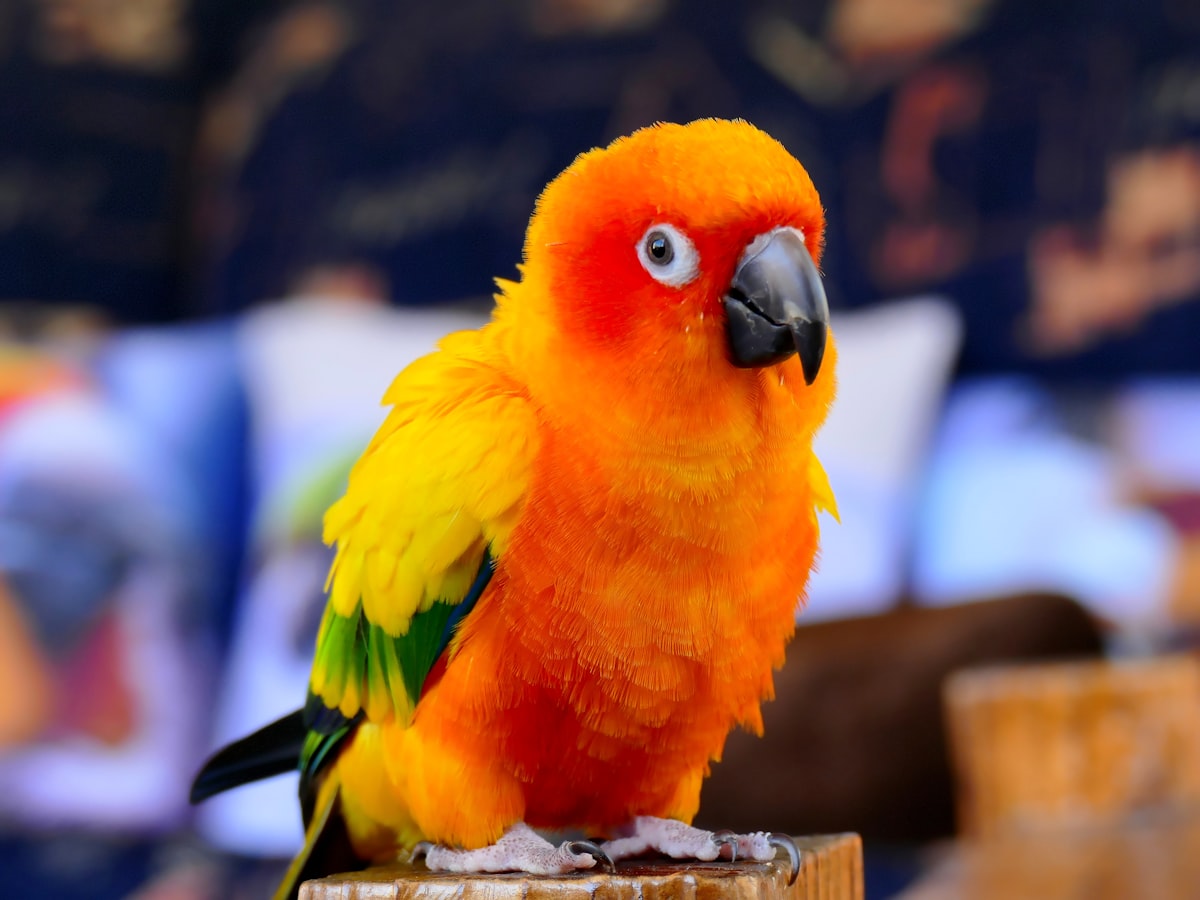
Overgrown nails are one of the most common grooming issues in companion birds. Long nails can snag on fabric, cage bars, and toys, potentially leading to torn nails and bleeding. They also affect your bird's ability to perch comfortably and can cause foot and joint strain over time.
Our handlers use proper avian nail clippers and always have styptic powder ready for safety. We trim conservatively, removing only the sharp tip and avoiding the quick (the blood vessel inside the nail). For birds with dark nails where the quick is not visible, we use a cautious approach, trimming in small increments.
Most birds need nail trims every 4–8 weeks depending on species and perch variety.
Read our full Nail Clipping Guide →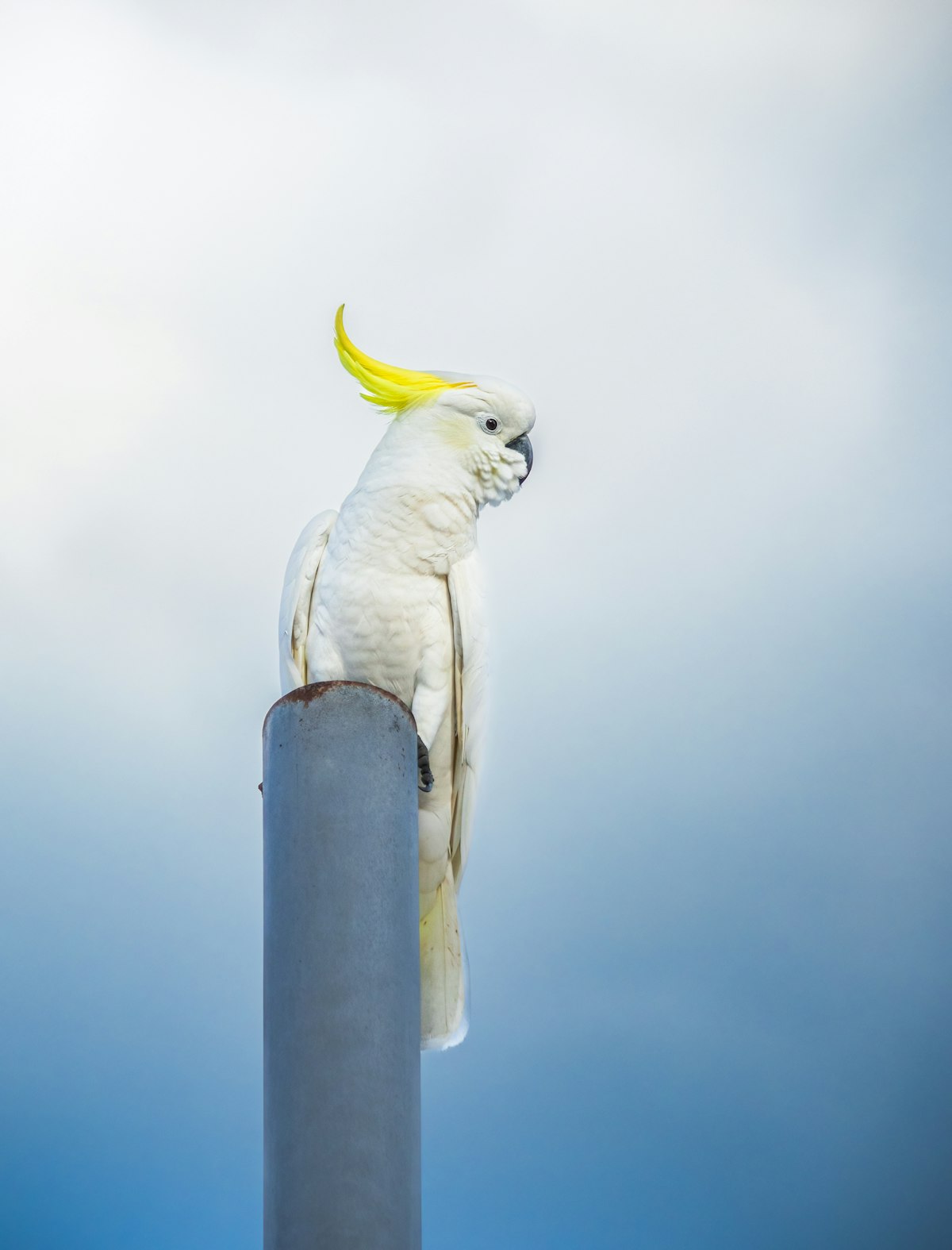
A healthy beak is essential for eating, climbing, preening, and exploring. Most birds maintain their beaks naturally through chewing on cuttlebone, mineral blocks, and wood toys. However, some birds develop overgrown, misaligned, or flaky beaks that require professional attention.
We use gentle filing and shaping techniques to restore proper beak alignment. Unlike nail clipping, beak trimming requires careful assessment — an overgrown beak can sometimes indicate underlying health issues such as liver disease, nutritional deficiency, or mite infestation. If we suspect a health-related cause, we will recommend a visit to your avian veterinarian.
Beak trims are typically needed less frequently than nails. Many birds never need one if provided with proper chewing materials.
Read our full Beak Trimming Guide →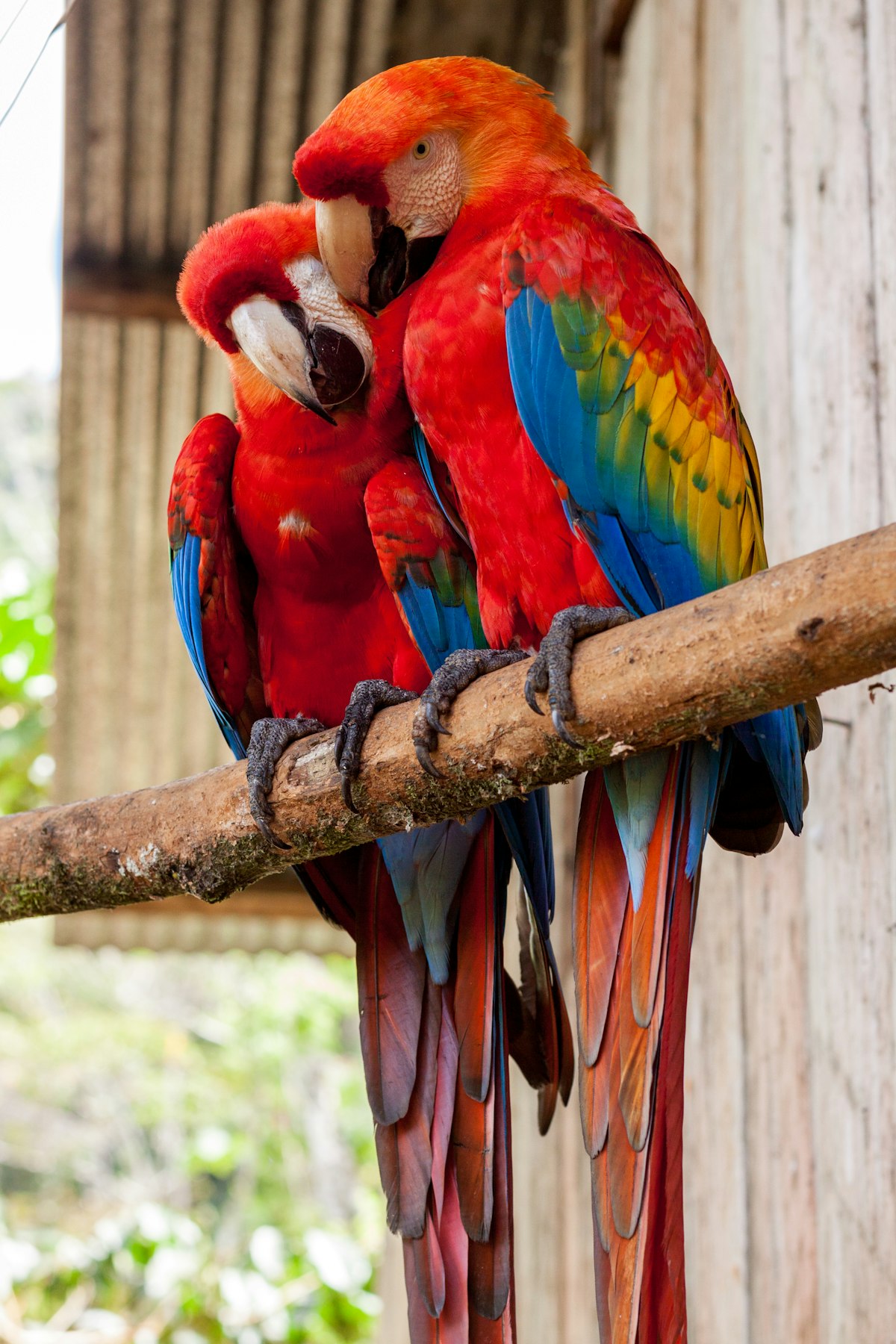
Wing clipping is a personal choice made by bird owners who want to limit their bird's ability to fly freely indoors. It is not a permanent procedure — clipped flight feathers regrow naturally during the bird's next moult cycle, typically every 6 to 12 months.
We perform wing clipping conservatively. Rather than removing all flight feathers, we trim only enough primary feathers on both wings to prevent sustained, high-speed flight while preserving the ability to glide safely to the ground. This approach prioritizes your bird's safety while respecting their natural instincts.
Feathers regrow after each moult. Re-clipping is typically needed every 6–12 months if desired.
Read our full Wing Clipping Guide →
Whether this is your bird's first grooming visit or a routine trim, here is how it works from start to finish.
We greet you and your bird, discuss what services you need, and do a quick visual health check. If we notice anything concerning, we will let you know before proceeding.
Your bird is wrapped securely in a soft towel using proper avian restraint technique. This keeps them calm and safe while allowing us access to nails, beak, or wings.
The requested service is performed quickly and carefully. Most grooming procedures take under 5 minutes. We work efficiently to minimize the time your bird is restrained.
Your bird is returned to their carrier or cage immediately after grooming. We offer a favourite treat and a few minutes of quiet time before you head home.
Many clients schedule grooming during their bird's boarding stay so everything is handled in one visit. Your bird is already comfortable in our environment, making it the ideal time for a low-stress grooming session. Just mention it when you book and we will schedule it at a calm time during the stay.
Most companion birds need nail trims every 4 to 8 weeks, depending on species, activity level, and perch variety. Birds with concrete or textured perches may go longer between trims. We assess each bird individually and recommend a schedule based on their nail growth rate.
Yes, when performed correctly. We clip conservatively — trimming only enough primary flight feathers to limit sustained flight while preserving the ability to glide safely to the ground. This is not painful for the bird, and feathers regrow naturally during the next moult cycle. Wing clipping is always performed at the owner's request only.
Absolutely. Many clients add grooming services during their bird's boarding stay so everything is handled in one visit. Just mention it when booking and we will schedule the grooming at a calm, low-stress time during the stay.
No. We never sedate birds for routine grooming. Our handlers use gentle towel restraint and calm, confident handling techniques to minimize stress. Most grooming procedures take only a few minutes. If a bird is exceptionally stressed or aggressive, we may recommend working with your avian vet instead.
Signs of an overgrown beak include difficulty eating, the beak curving to one side, flaking or layering at the tip, or the upper beak growing past the lower beak significantly. Healthy beaks are maintained naturally through chewing on cuttlebone, mineral blocks, and wood toys. If you notice any irregularities, we can assess whether a trim is needed.
We groom all companion bird species, from budgies and cockatiels to macaws and cockatoos. Handling technique and tool selection are adjusted based on species, size, and temperament. Check our species boarding guide for the full list of birds we care for.