Bird Nail Clipping in Richmond Hill

Professional bird nail clipping by experienced avian handlers. Overgrown nails cause pain, perching difficulty, and injury risk for pet birds. Our quick, low-stress nail trim appointments keep your bird's feet healthy and comfortable — with species-specific technique, styptic powder on hand, and a calm environment designed to minimize stress for even the most nervous birds.

Why Professional Nail Clipping Matters

Overgrown nails are one of the most common — and most overlooked — health issues in pet birds. When nails grow too long, they catch on toys, cage bars, fabric, and perch covers. A snagged nail can result in a torn nail, a broken toe, or a panicking bird that injures itself trying to pull free. In severe cases, overgrown nails curl under the toe and press into the footpad, causing pain and difficulty perching.

Wild birds naturally wear their nails down through contact with rough surfaces — bark, rock, soil, and branches of varying textures. Captive birds, even those with concrete or textured perches, rarely wear their nails enough to prevent overgrowth entirely. Most pet birds need their nails trimmed every four to eight weeks to maintain healthy foot function.

Home trimming carries real risk. Each bird nail contains a blood vessel called the quick, and cutting into it causes bleeding, pain, and lasting fear of nail trims. The quick's location varies by species, nail colour, and individual bird. Our handlers know the nail anatomy of each species we work with and trim conservatively to avoid the quick entirely.

Signs Your Bird Needs a Trim

  • Nails catching on fabric, towels, or clothing during handling
  • Nails curling under or growing sideways
  • Difficulty perching — feet sliding, grip unstable, shifting constantly
  • Scratching you more than usual during step-ups or shoulder time
  • Visible overgrowth — nails extending well past the toe tip
  • Bird getting snagged on toys, rope perches, or cage accessories
Professional bird nail clipping service at Avian Haven Richmond Hill

How We Clip Bird Nails Safely

Every nail trim at Avian Haven is performed by handlers who understand avian foot anatomy, species-specific technique, and stress minimization. Here is what sets our approach apart.

Species-Specific Technique

A budgie's nails and a macaw's nails are fundamentally different — in size, thickness, quick visibility, and the tools required to trim them safely. We use fine-point clippers for small birds like budgies, canaries, and finches, and heavy-duty avian nail trimmers for larger parrots like cockatoos, macaws, and Amazons. We understand the nail anatomy of each species we handle, including where the quick typically ends and how much nail can be safely removed. Dark-coloured nails, where the quick is invisible, require extra caution and a more conservative trim — we never guess.

Minimal Stress Handling

The nail trim itself takes seconds per nail — it is the handling that causes stress. We use the towel technique for most birds: a soft towel gently wrapped around the bird to immobilize wings and body while exposing one foot at a time. This method prevents biting, protects feathers, and actually calms many birds by limiting visual stimulation. For tame, well-socialized birds that tolerate handling, we may hold them directly without a towel. Either way, the entire procedure — from pickup to release — is completed in under five minutes for most birds. Speed and confidence reduce stress more than anything else.

Styptic Powder Ready

Even with perfect technique, the occasional quick nick can happen — especially with dark nails or a bird that moves unexpectedly during the trim. We always have styptic powder and silver nitrate sticks on hand, ready to apply immediately if any bleeding occurs. After applying styptic, we monitor the nail to ensure bleeding has fully stopped before releasing the bird. We also observe the bird post-trim for any signs of continued discomfort. Quick nicks, while undesirable, are not dangerous when treated immediately and properly — they heal within minutes.

Nail Health Assessment

A nail trim is also an opportunity to check your bird's foot and nail health up close — something that is difficult to do without handling. During every trim, we examine the nails for signs of abnormal growth patterns, unusual thickening, flaking, or discolouration that could indicate fungal infection. We check the feet for bumblefoot (pododermatitis), sores, or swelling. We also look for early signs of beak-and-feather disease, which can affect nail quality. If we notice anything concerning, we let you know and recommend a follow-up with your avian vet.

What to Expect

Nail trim appointments at Avian Haven are designed to be quick and straightforward. Here is what happens from arrival to departure.

When you arrive, we start with a brief consultation. We ask about your bird's temperament, whether they have had nails trimmed before, and whether there are any specific concerns — a nail that keeps catching, a toe that looks sore, or a bird that has had a bad experience with trims in the past. This helps us tailor our approach.

For the trim itself, one handler gently restrains your bird using the towel technique or a direct hold for tame birds. A second handler (or the same handler, for small birds) trims each nail with the appropriate avian nail clippers, working quickly and methodically through all toes. We trim conservatively — removing enough length to prevent catching and restore comfortable perching, but never cutting dangerously close to the quick.

After all nails are trimmed, we check each one for any bleeding, then release your bird back into their carrier or onto your hand. The entire appointment — including arrival, consultation, trim, and post-trim check — typically takes fifteen to twenty minutes, with the actual trimming portion lasting under five minutes for most birds.

Your bird may be slightly fluffed or quiet immediately after the trim. This is a normal stress response and typically resolves within an hour of returning home to familiar surroundings.

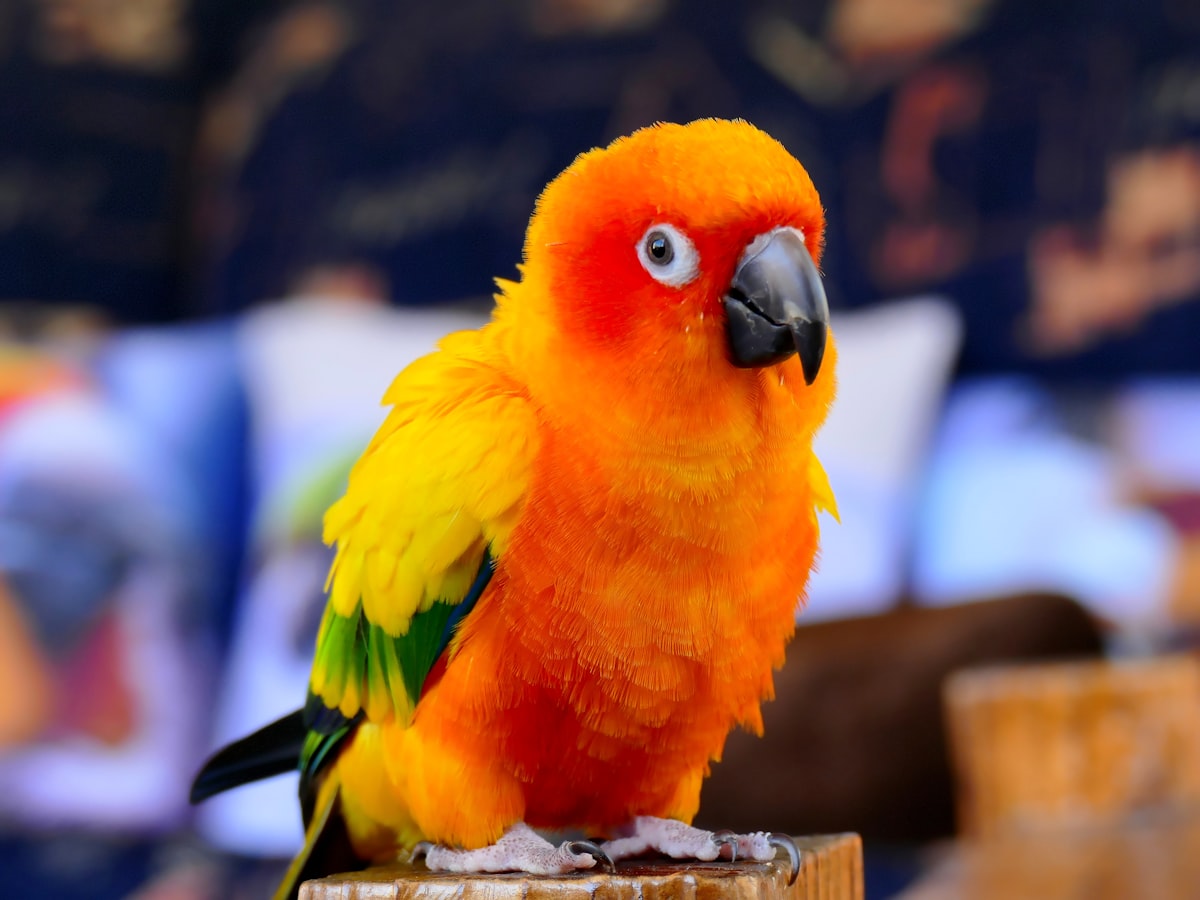
Bird nail trimming appointment process at Avian Haven Richmond Hill

Pricing

Nail clipping is priced by bird size. All appointments include the trim, a post-trim bleed check, and a brief nail and foot health assessment. Appointments combined with a boarding stay receive a discount.

$15
Small / Medium Birds
Budgies, cockatiels, lovebirds, conures
$20
Large / XL Birds
African greys, cockatoos, macaws, Amazons

Discount available when nail clipping is combined with a boarding stay. Ask about adding a trim to your bird's next visit.

See Full Pricing

Nail Clipping FAQ

How often do birds need nail trims?

Most pet birds need their nails trimmed every four to eight weeks, depending on species, perch types, and activity level. Birds with rough-textured or concrete perches may wear their nails down more naturally and need less frequent trims, while birds on smooth dowel perches or those with limited climbing activity tend to need more regular appointments. We can help you determine the right schedule for your bird after the first visit.

Does nail clipping hurt my bird?

No, nail clipping does not hurt your bird when done correctly. The tip of a bird's nail, like a human fingernail, has no nerve endings. Pain only occurs if the nail is cut too short and the quick — the blood vessel running through the centre of the nail — is nicked. Our handlers know exactly where the quick ends in each species and trim conservatively to avoid it entirely. The main concern during a nail trim is not pain but the stress of being restrained, which is why we work quickly and use calm, experienced handling techniques to minimize the time your bird spends being held.

Can you trim my bird's nails during a boarding stay?

Yes, absolutely. Many of our boarding clients request a nail trim during their bird's stay, and we are happy to accommodate this. It saves you a separate trip and means your bird comes home with freshly trimmed nails. Just let us know when you drop off that you would like a trim included, and we will schedule it during the stay — typically a day or two before pickup so your bird has time to settle afterwards.

What if my bird is aggressive or afraid of handling?

We are experienced with nervous, fearful, and aggressive birds. Many birds that bite or panic during handling at home behave differently with an experienced handler who uses confident, practised technique. We use the towel method — gently wrapping the bird in a towel to safely immobilize them — which prevents biting, protects wings, and actually calms many birds by limiting visual stimulation. For particularly anxious birds, we work in a quiet, dimly lit area and keep the procedure as brief as possible. Most nail trims, even on difficult birds, are completed in under five minutes.

Should I try trimming my bird's nails at home?

We recommend professional trimming unless you have been trained by an avian vet or experienced handler and feel confident doing it. The risk of cutting the quick — the blood vessel inside the nail — is real, especially with birds that have dark-coloured nails where the quick is not visible. Hitting the quick causes bleeding and pain, and the negative experience can make your bird fearful of future trims, turning every subsequent appointment into a more stressful ordeal. If you want to learn, ask your avian vet to demonstrate proper technique before attempting it on your own.

My bird has a bleeding nail — is this an emergency?

A bleeding nail is not usually life-threatening but it does require immediate attention. Apply styptic powder or cornstarch directly to the bleeding nail tip and hold gentle pressure for one to two minutes. Keep your bird calm and avoid letting them flap or climb, which can restart bleeding. In most cases, the bleeding will stop within a few minutes. If the bleeding does not stop after five minutes of sustained pressure, or if your bird appears weak or lethargic, contact your avian vet immediately — small birds especially can lose a dangerous amount of blood from a nail injury.

Book a Nail Trim

Keep your bird's nails healthy and comfortable with a quick, professional trim by experienced avian handlers. Contact us to schedule an appointment or add a nail trim to your bird's next boarding stay.

Get a Quote Grooming Services