
Bird Wing Clipping in Richmond Hill

Safe, humane wing clipping by experienced avian handlers. Wing clipping is a personal choice that many bird owners make for safety. We perform conservative clips that limit flight distance while preserving your bird's ability to glide safely to the ground.
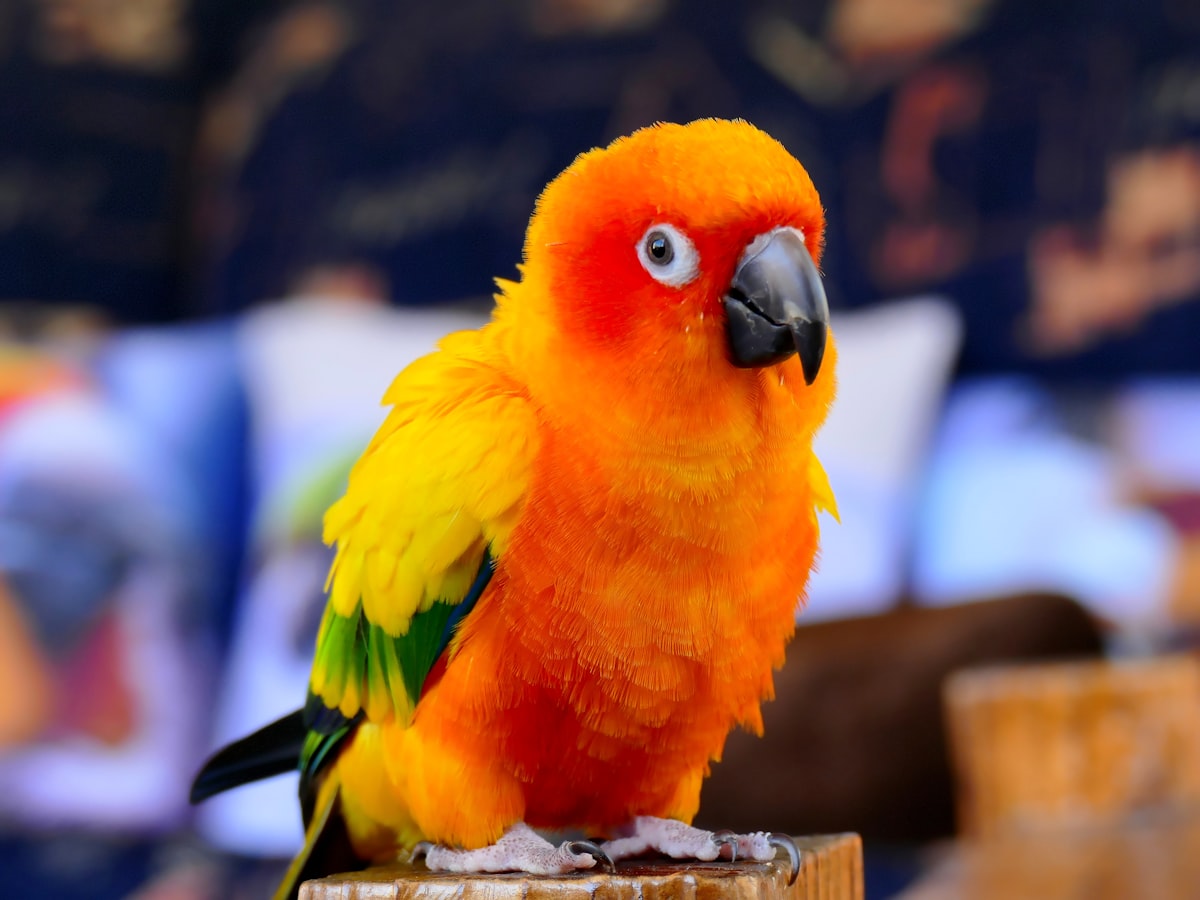
Understanding Wing Clipping

Wing clipping is a debated topic in the bird community, and we respect both positions. Some owners clip for safety — to prevent escapes through open doors, collisions with ceiling fans, or injuries from flying into mirrors and windows. Others prefer to keep their birds fully flighted, providing a bird-proofed environment where free flight is safe. Both approaches have merit, and neither is wrong.

At Avian Haven, we perform wing clipping only at the owner's request — never as a default, and never without a conversation about what to expect. We believe in informed consent. Here is what wing clipping actually involves:

  • Clipping trims only the primary flight feathers — the long feathers at the wing tip
  • It is painless — fully grown feathers have no nerve supply, like cutting hair or trimming nails
  • Feathers grow back completely after the next moult (typically 6-12 months)
  • Wing clipping does NOT permanently disable flight — it is temporary
  • A properly clipped bird can still glide safely to the ground
  • We never clip blood feathers — actively growing feathers with blood supply
Experienced avian handler performing safe wing clipping at Avian Haven Richmond Hill

How We Clip — Safely and Humanely

Every wing clip at Avian Haven follows four principles designed to keep your bird safe, comfortable, and balanced in the air.

Conservative Clip Only

We clip the minimum number of primary feathers needed to limit sustained flight — your bird will still be able to glide safely to the ground, not drop like a stone. A heavy clip that leaves a bird unable to control its descent is dangerous and unnecessary. Our goal is to prevent altitude gain and sustained flight while preserving the ability to flutter down from a perch or table height with control. We adjust the number of feathers clipped based on the bird's weight, body type, and natural flight ability.

Owner's Choice

We discuss clip style with you before we touch a single feather. Some owners prefer a light clip — trimming fewer primaries to allow short, low flights across a room while preventing full-speed flight or altitude gain. Others want a standard clip that restricts flight more thoroughly. We explain the difference, show you what each looks like, and never clip without your explicit consent on the style. Your bird, your decision — we simply execute it safely.

Blood Feather Awareness

Blood feathers are actively growing feathers with a live blood supply running through the shaft. They appear darker and slightly thicker than mature feathers, and they must NEVER be cut — cutting a blood feather causes bleeding and pain, and can require emergency veterinary treatment. Before clipping, we carefully inspect every flight feather and identify any blood feathers present. If a primary feather is still a blood feather, we leave it and its adjacent feathers intact to provide structural support and protection.

Symmetrical Clip

We always clip both wings equally — the same number of feathers on each side, trimmed to the same length. An asymmetrical clip, where one wing is clipped shorter than the other or one wing is left unclipped, causes dangerous spiralling and loss of control during descent. A bird with an uneven clip cannot glide in a straight line and is at serious risk of injury from uncontrolled falls. Symmetry is non-negotiable in every clip we perform.

When to Consider Wing Clipping

Wing clipping is a safety measure, not a convenience. Here are common situations where owners choose to clip, and one important situation where you should not.

Reasons to Consider Clipping

  • Open windows or doors that cannot always be kept closed
  • Ceiling fans that pose a collision risk
  • Other pets in the home — cats, dogs, or ferrets
  • Young children who may accidentally open doors or startle the bird
  • New birds not yet bonded to the owner or familiar with the home
  • Birds that repeatedly fly into mirrors, windows, or glass doors
  • Households where bird-proofing every room is not practical

When NOT to Clip

  • Baby birds learning to fly — young birds need flight to develop coordination, confidence, chest muscle tone, and spatial awareness
  • Birds that have never fledged should be allowed to learn to fly before any clip is considered
  • Clipping before fledging can cause lifelong balance and coordination issues
  • Once a young bird has learned to fly competently, clipping can be done safely if desired

We will always ask about your bird's age and flight history before clipping, and we will advise against clipping if we believe the bird has not yet learned to fly.

Pricing

Wing clipping is a flat rate of $15 for all bird sizes — from budgies and cockatiels to macaws and cockatoos. The price includes a pre-clip feather inspection, blood feather identification, the clip itself, and a post-clip glide test to ensure your bird can descend safely.

$15
All Bird Sizes

Feathers grow back after moult — reclipping is typically needed every 6-12 months for birds that moult annually. We are happy to set up a recurring reminder so you know when your bird is likely due for a reclip.

See Full Pricing

Wing Clipping FAQ

Does wing clipping hurt?

No — flight feathers have no nerve supply, so clipping them is painless, much like cutting hair or trimming nails. The bird may be briefly stressed from being restrained during the clip, but the clipping itself causes no pain whatsoever. We only clip fully grown feathers and never cut blood feathers, which are actively growing feathers with a blood supply that must not be cut.

Will my bird still be able to fly after clipping?

Your bird will be able to glide safely to the ground but will not be able to gain altitude or sustain flight. This is intentional — it prevents crashes into walls, mirrors, and ceiling fans, and reduces the risk of escape through open doors or windows, while still allowing a safe, controlled descent. A properly clipped bird can flutter down from a perch or table without injury.

How long does a wing clip last?

A wing clip lasts until the next moult, typically 6 to 12 months. When your bird moults, new flight feathers grow in fully and completely replace the clipped ones, restoring full flight ability. Reclipping is needed after each moult if you wish to maintain restricted flight. Some birds moult more frequently than others, so the timing varies — we can help you track your bird's moult cycle.

Can I request a specific clip style?

Yes. We discuss clip style with every owner before proceeding. Some owners prefer a light clip — trimming fewer primary feathers to allow limited short flights while preventing sustained flight or altitude gain. Others want a standard clip for more thorough flight restriction. We explain the trade-offs of each approach and tailor the clip to your preference and your bird's individual characteristics. We never clip without your explicit agreement on the style.

Should I clip my baby bird's wings?

We recommend letting baby and young birds learn to fly first before considering a wing clip. Flight is essential for developing coordination, confidence, chest muscle tone, and spatial awareness. Birds that are clipped before learning to fly may develop balance issues, become clumsy, and lack the coordination to glide safely even after clipping. Once your bird has learned to fly competently — typically after several weeks of confident flight — clipping can be done safely if desired.

Can wing clipping be done during boarding?

Yes, wing clipping is commonly combined with boarding stays. Many owners find it convenient to have their bird's wings clipped during a boarding visit rather than scheduling a separate appointment. Just let us know when you book, and we will include wing clipping in your bird's care plan. The $15 clipping fee is added to your boarding total.

Book Wing Clipping

Safe, humane wing clipping by experienced avian handlers — for all bird sizes. Contact us to book an appointment or add wing clipping to your bird's boarding stay.

Get a Quote Grooming Services