
Canary Boarding in Richmond Hill

Canaries are not parrots — they are songbirds in the Fringillidae (finch) family, and they require a fundamentally different approach to care. Famous for their beautiful song, delicate constitution, and sensitivity to environmental changes, canaries thrive with hands-off, observation-based care that respects their nature as birds meant to be enjoyed, not handled.
Why Canaries Need Specialized Care

Canaries are frequently misunderstood by pet sitters who treat them like small parrots. They are not. Canaries are finches — solitary or loosely social songbirds that do not crave physical interaction the way parrots do. A well-meaning sitter who tries to handle a canary, feeds it a parrot pellet diet, or keeps it in a noisy room with larger birds is causing harm, not providing care.

At Avian Haven, we understand that canary care is about creating the right environment and then stepping back. The right light cycle, pristine air quality, a proper seed-based diet, stable temperature, and minimal stress — these are what keep a canary healthy and singing. Our team knows canary behaviour: the upright singing posture of a content male, the fluffed feathers and silence that signal cold or illness, the pin feathers of an active moult, and the clicking breath sounds that warn of air sac mites.

  • Hands-off, observation-based care — no unnecessary handling
  • Air quality management — no Teflon, aerosols, or scented products
  • Proper photoperiod with 10-12 hours of uninterrupted darkness
  • Seed-based diet with egg food, greens, and cuttlebone
  • Temperature stability with draft-free positioning
  • Moult support and vocalization monitoring
  • Daily photo and audio updates to owners
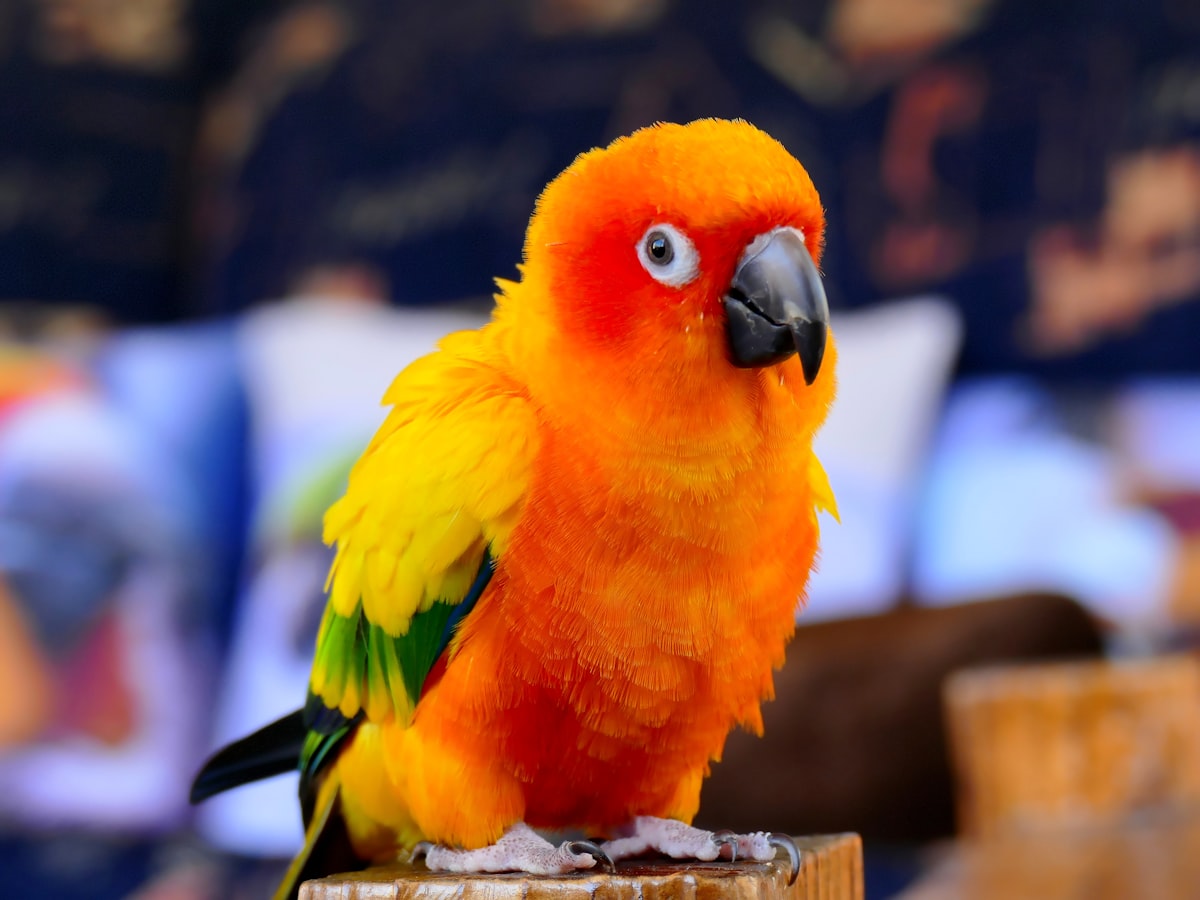
Canary receiving specialized songbird care during boarding at Avian Haven Richmond Hill

Our Canary Care Plan

Every boarded canary receives a tailored care routine designed around six essential areas of canary wellness — none of which involve picking up your bird.

Song & Vocalization

Male canaries are among the most accomplished singers in the bird world, and boarding can disrupt their song. Changes in environment, light, or stress levels can cause a male to go silent temporarily. We minimize this disruption by maintaining consistent routines, placing canaries in calm areas away from loud or aggressive birds, and providing the environmental stability that encourages singing. We monitor vocalization patterns daily and note any changes — a canary that suddenly stops singing outside of moult season may need veterinary attention.

Air Quality

Canaries are extraordinarily sensitive to airborne toxins — the phrase "canary in a coal mine" is literal history, not metaphor. Their highly efficient respiratory system makes them vulnerable to fumes that larger birds or mammals might tolerate. Our facility uses absolutely no Teflon or PTFE-coated cookware, no aerosol sprays, no scented candles, no air fresheners, no incense, and no harsh chemical cleaners. All cleaning products used near birds are fragrance-free and bird-safe. We maintain good ventilation without drafts.

Light Cycling

Canaries are profoundly affected by photoperiod — the ratio of light to dark hours in their day. Proper light cycling governs their moult schedule, breeding condition, and song production. We provide 10-12 hours of complete, uninterrupted darkness each night using cage covers in a quiet room. Artificial light exposure is kept consistent day to day. Erratic light schedules can trigger abnormal moulting, hormonal imbalances, or chronic stress — all of which we actively prevent.

Diet

Canaries are seed-eating finches, not pellet-eating parrots — their diet must reflect this. We provide a high-quality canary seed mix as the dietary base, including canary grass seed, rapeseed, and niger seed. This is supplemented with fresh greens — dandelion leaves, romaine, broccoli florets, grated carrot — and egg food 2-3 times per week for protein. Cuttlebone is always available for calcium. During moult, protein intake is increased to support feather regrowth. We never substitute parrot pellets for canary seed mix.

Temperature Stability

Canaries are sensitive to temperature swings and drafts. While they tolerate a reasonable range of room temperatures, sudden changes or cold drafts can cause illness quickly. Our facility maintains consistent temperatures between 18-24 degrees Celsius year-round. Canary enclosures are positioned away from windows, exterior doors, heating vents, and air conditioning outlets. During Ontario winters, we monitor ambient temperature carefully and ensure no canary is exposed to chilling overnight.

Stress Minimization

Canaries are observation birds, not handling birds. Unlike parrots, they do not want to sit on your finger, be scratched behind the head, or cuddle. Handling a canary causes significant stress and risks injury to their small, fragile bodies. We interact with canaries through voice, song, and proximity — never by picking them up unless medically necessary. Canaries are positioned away from large, noisy parrots and in calm areas where they can sing, eat, and rest without being startled or intimidated.

Canary Varieties We Board

We board all domestic canary varieties — song breeds, colour breeds, and type breeds. Here are the most common types we care for.

Atlantic Canary (Wild Type)

The ancestor of all domestic canaries, the Atlantic canary is a small olive-green and yellow finch originally from the Canary Islands, Azores, and Madeira. Wild-type canaries kept as pets retain many natural behaviours — they are active, alert, and can be more skittish than selectively bred varieties. During boarding, we respect their more cautious temperament and provide ample cover and retreat spaces within their cage so they feel secure.

Red Factor Canary

Bred for their striking orange to deep red plumage, Red Factor canaries require colour-feeding supplements — typically beta-carotene or canthaxanthin — added to their food during moult to maintain their red colouration. Without these supplements, new feathers grow in yellow or orange instead of red. We follow your colour-feeding protocol exactly during boarding and adjust protein levels during moult to support strong feather regrowth with proper pigmentation.

Gloster Canary (Crested)

The Gloster is a compact, round canary famous for its "Beatles haircut" — a corona of feathers forming a crest on the head. Glosters are bred in two varieties: Coronas (crested) and Consorts (plain-headed). Their crest requires monitoring during boarding as it can obscure vision and trap debris. We check Gloster crests regularly and ensure food and water dishes are positioned where the bird can access them easily despite limited upward visibility.

Yorkshire Canary

The "Gentleman of the Fancy" — the Yorkshire is a large, upright canary bred for its tall, slim posture and confident bearing. Yorkshires are among the largest canary breeds and require slightly more cage space than smaller varieties. They are generally calm and adaptable, making them good boarding candidates. Their long, sleek feathers benefit from regular bathing opportunities, which we provide 2-3 times per week during their stay.

Border Canary

Known as the "Wee Gem," the Border canary is a small, rounded, lively bird with tight, glossy plumage. Borders are active and energetic — they appreciate cage space and varied perch heights for hopping and short flights. During boarding, we provide enrichment that suits their active nature: swings, multiple perches at different heights, and shallow bathing dishes. Their compact size means bar spacing on enclosures must be narrow to prevent escape.

Fife Canary

A miniature version of the Border canary, the Fife is one of the smallest canary breeds — compact, rounded, and full of energy. Despite their tiny size, Fifes are bold and active singers. Their small body mass makes them particularly vulnerable to temperature drops and drafts, so we pay extra attention to cage positioning and ambient warmth for Fife canaries during boarding. Food and water dishes are scaled appropriately for their diminutive size.

Norwich Canary

A large, cobby canary with dense, soft plumage that gives it a round, almost fluffy appearance. Norwich canaries can be either crested or plain-headed. Their heavy feathering means they can overheat more easily than sleeker breeds, so we ensure proper ventilation and avoid placing them near heat sources. Norwich canaries are generally calm and steady-tempered, adapting well to boarding environments when given consistent routines and quiet surroundings.

Song Canaries

Bred specifically for their vocal abilities, song canary breeds include the Waterslager (Malinois), American Singer, and Spanish Timbrado — each with a distinct song style. Waterslagers produce deep, water-like notes; American Singers have a melodious, varied song; Timbrados deliver a loud, metallic tone. Song canaries are the most likely to be affected by boarding-related singing disruption. We give song breeds extra environmental stability, consistent light cycles, and calm placement to encourage them to maintain their song throughout their stay.

Understanding Canary Moult

The annual moult is the most significant event in a canary's year. If your canary is boarded during moult season, here is what to expect and how we support them.

What Happens During Moult

  • Males stop singing entirely — this is normal, not illness
  • Feathers are shed and regrown over 6-8 weeks
  • Birds look scruffy, patchy, or dishevelled
  • Energy and activity levels decrease
  • Pin feathers (new feather sheaths) appear on head and body
  • Typically occurs in late summer through early fall

How We Support Moulting Canaries

  • Increased protein via egg food and sprouted seeds
  • Consistent 10-12 hour dark period for hormonal regulation
  • Bathing opportunities to soothe itchy new feather growth
  • Reduced environmental stress — calm, quiet placement
  • Colour-feeding supplements for Red Factor canaries
  • Close monitoring for abnormal moult patterns

If your canary shows moult-like symptoms outside the normal late summer/fall window — or if moult is accompanied by laboured breathing, clicking sounds, weight loss, or discharge — we contact your avian vet immediately. Abnormal moulting can indicate illness, air sac mites, or hormonal imbalance.

What to Bring for Your Canary's Stay

Canaries adjust best to boarding when their environment remains as familiar as possible. Bringing these items from home reduces stress and helps your canary settle in quickly.

  • Their cage — canaries do best in their own cage; we strongly recommend bringing it
  • Their regular seed mix — the specific canary seed brand they eat at home
  • Egg food — if you use a particular brand or homemade recipe
  • Colour-feeding supplements — essential for Red Factor canaries during moult
  • Cage cover — if your canary is used to a specific cover for nighttime darkness
  • Care instructions — daily routine, favourite greens, light schedule, and any health notes
  • Vet contact — your avian vet's name and phone number for emergencies
  • Medication — if applicable, with clear dosing instructions

Please let us know if your canary is currently in moult, has a history of air sac mites, or has any respiratory sensitivities. This information helps us provide the best possible care.

Preparing your canary for boarding at Avian Haven Richmond Hill

Pricing

Canary boarding is priced at our small bird rate. All rates include seed mix, fresh food, daily health monitoring, cage cleaning, and photo updates. Multiple canaries housed in the same cage are priced per cage, not per bird.

$15
Daily Sitting
$95
Weekly Boarding
See Full Pricing

Canary Boarding FAQ

Will my canary stop singing during boarding?

Male canaries may temporarily reduce or stop singing when moved to a new environment due to the stress of relocation. This is normal and usually resolves within a few days as they settle in. We minimize disruption by maintaining consistent light cycles, keeping the environment calm, and avoiding unnecessary handling. If your canary is in moult, singing will naturally stop regardless of environment — this is completely normal and not a sign of illness or stress.

What do you feed canaries during boarding?

Canaries are seed-eating finches, not parrots, and their diet reflects this. We provide a high-quality canary seed mix as the dietary base — not pellets, which are formulated for parrots. This is supplemented with fresh greens like dandelion leaves, romaine lettuce, broccoli florets, and grated carrot. Egg food is offered 2-3 times per week for protein, especially important during moult. Cuttlebone is always available for calcium. We follow your established diet closely and note any changes in appetite.

How do you handle air quality for canaries?

Canaries are extraordinarily sensitive to airborne toxins — the phrase "canary in a coal mine" is literally true. Our facility uses no Teflon or PTFE-coated cookware, no aerosol sprays, no scented candles, no air fresheners, and no harsh chemical cleaners anywhere near bird areas. Cleaning products are bird-safe and fragrance-free. We maintain good ventilation without drafts and never use space heaters with non-stick coatings. Air quality is one of the most critical aspects of canary care.

Do you handle canaries during boarding?

No, and this is intentional. Canaries are observation birds, not handling birds. Unlike parrots, canaries do not enjoy or benefit from physical contact with humans. Handling a canary causes significant stress and can injure their delicate bodies. We interact with canaries through voice, environmental enrichment, and proximity — never by picking them up. The only exception is medical necessity, such as administering medication, and even then handling is kept to the absolute minimum.

My canary looks scruffy and stopped singing — is it sick?

If this happens during late summer or fall, your canary is almost certainly in moult — not sick. Canaries undergo an annual moult where they shed and regrow all their feathers over 6-8 weeks. During moult, males stop singing entirely, birds look dishevelled, and they may be less active. This is completely normal. We support moulting canaries with increased protein, consistent light cycles, and minimal stress. If moult signs appear outside the normal season or are accompanied by laboured breathing or clicking sounds, we contact your avian vet immediately.

Can you board multiple canaries together?

It depends on the canaries. Male canaries are territorial and often cannot be housed together — two males in the same cage will fight, especially during breeding season. Female canaries are generally more social and can often share a cage. A male-female pair can be housed together but may attempt breeding. We follow your instructions on housing arrangements and observe carefully for aggression, feather plucking, or food guarding. If canaries must be separated, we use adjacent cages so they can still hear each other.

Related Species Guides

View All Species

Book Canary Boarding

Give your canary the specialized, hands-off songbird care they deserve while you are away. Contact us to discuss your bird's needs and schedule their stay.

Get a Quote View All Species