
Budgie & Parakeet Boarding in Richmond Hill

Budgies are the world's most popular companion bird — cheerful, acrobatic, and full of personality despite their small size. Their compact stature does not mean they need any less attention or expertise than larger parrots. Our budgie boarding service is built around their unique social, dietary, and environmental needs.
Why Budgies Need Specialized Boarding

Budgies are often underestimated because of their size. In reality, they are highly social flock birds with specific environmental requirements that general pet sitters frequently overlook. A budgie left in a quiet room without interaction, proper temperature, or appropriate enrichment will quickly become stressed, lethargic, or ill — and because budgies are small, health declines can happen rapidly.

At Avian Haven, we treat every budgie with the same level of care and attention we give to larger parrots. Our team understands budgie behaviour — the head bobbing that signals contentment, the fluffed posture that indicates cold or illness, the chattering that means they are happy and engaged — and we respond to every cue.

  • Flock-oriented social care with regular vocal interaction
  • Temperature-controlled environment (20-24°C) with no drafts
  • Obesity prevention through balanced diet and activity
  • Multiple enrichment rotations daily
  • Vigilant health monitoring for rapid illness detection
  • Bonded pairs and flocks housed together
  • Daily photo and video updates to owners
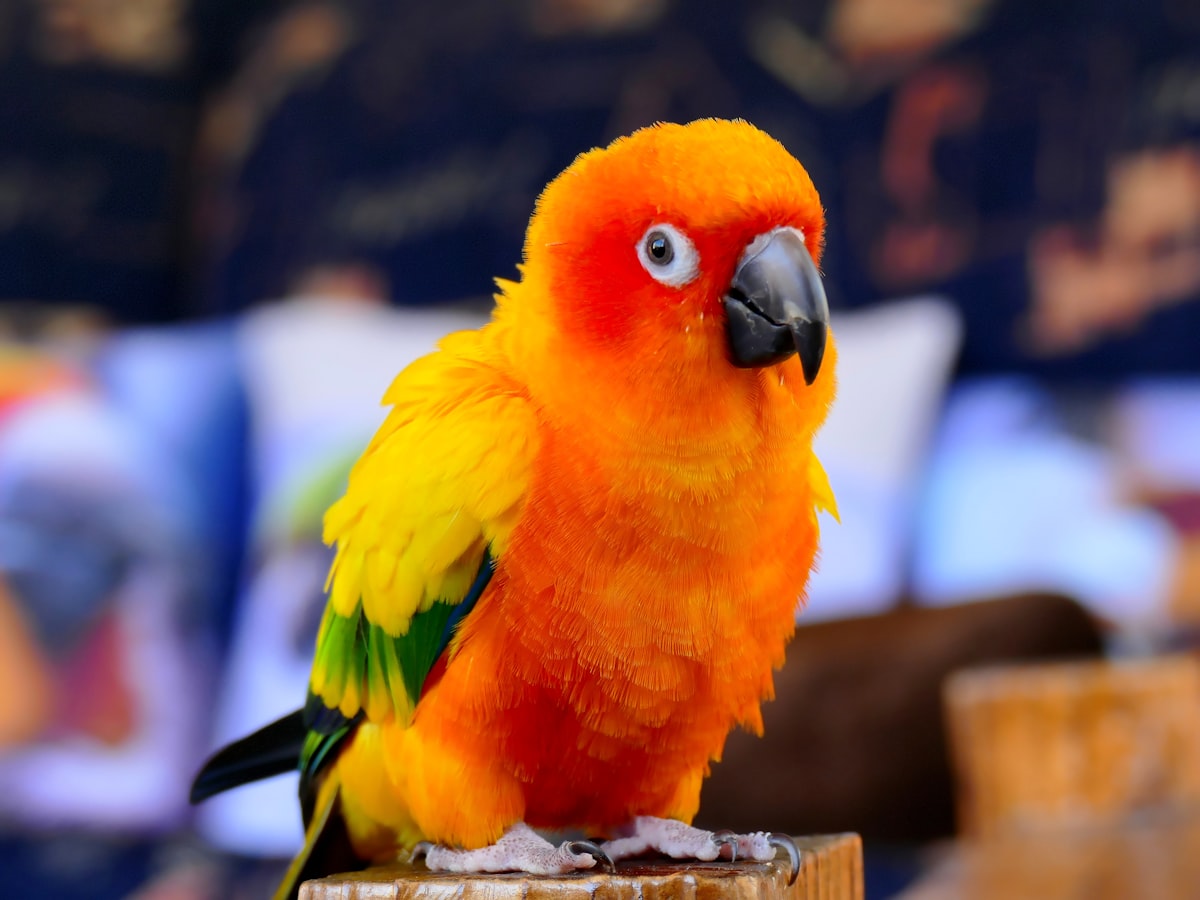
Budgie receiving enrichment and social interaction during boarding at Avian Haven Richmond Hill

Our Budgie Care Plan

Every boarded budgie receives a tailored care routine designed around six essential areas of budgie wellness.

Social Interaction

Budgies are flock birds that thrive on companionship. A single budgie boarded alone receives regular vocal interaction from our handlers throughout the day. We play ambient bird sounds, talk to them, and position them within auditory range of other birds. Bonded pairs are always kept together — separating a bonded pair causes unnecessary stress for both birds.

Temperature Management

Native to warm Australian climates, budgies are sensitive to temperature fluctuations and drafts. Our facility maintains consistent temperatures between 20-24 degrees Celsius year-round. Budgie enclosures are positioned away from windows, exterior doors, and air conditioning vents. During harsh Ontario winters, we provide supplemental warmth and monitor for signs of chilling.

Balanced Diet

Budgies are prone to obesity, especially on seed-heavy diets. We follow your established diet while ensuring nutritional balance: quality pellets or seed mix as a base, supplemented with fresh vegetables — broccoli, spinach, carrot, leafy greens — and sprouted seeds for added nutrition. Millet spray is offered as an occasional treat, not a staple. Cuttlebone or mineral block access is maintained for calcium.

Active Enrichment

Budgies are incredibly active birds that love climbing, swinging, and exploring. We provide varied perch heights, swinging toys, foraging challenges, bells, and mirrors. Enrichment is rotated daily to prevent boredom. Many budgies enjoy music, so ambient sounds are part of their daily routine. For hand-tame budgies, supervised out-of-cage time is available.

Health Monitoring

Small birds can decline quickly, making vigilant monitoring essential. We check each budgie multiple times daily for warning signs: fluffed feathers, sitting on the cage floor, reduced vocalization, changes in droppings, reduced food or water intake, or discharge from eyes or nares. We weigh budgies regularly to catch weight changes early. Any concern triggers an immediate call to your avian vet.

Bathing Opportunities

Most budgies enjoy bathing, and regular baths help maintain feather health. We offer shallow bathing dishes 2-3 times per week, preferably in the morning so feathers dry before evening. For budgies that prefer misting, we provide gentle spray baths with lukewarm water. Bathing is always optional — we never force a budgie into water.

Budgie & Parakeet Varieties We Care For

We board all budgerigar varieties and related parakeet species. Here are the most common types we see.

Standard (Australian) Budgies

The classic budgerigar — small, energetic, and available in dozens of colour mutations including green, blue, yellow, white, violet, and grey. Standard budgies are active, vocal, and social. They are the most commonly boarded budgie variety and adapt well to boarding when given adequate social interaction and enrichment. Weight management is important as standard budgies are prone to obesity.

English (Exhibition) Budgies

Larger and calmer than standard budgies, English budgies were bred for exhibition and have a more relaxed temperament. They are less active and less vocal, which can make health monitoring slightly more challenging — subtle behaviour changes must be watched closely. Their larger size means slightly bigger cage requirements. Diet management is especially critical as English budgies gain weight easily.

Lineolated Parakeets

Quiet, gentle, and increasingly popular as companions. Lineolated parakeets (linnies) are calmer than budgies and often enjoy walking rather than flying. They appreciate cooler temperatures than budgies and enjoy bathing frequently. During boarding, linnies receive the same attentive care as budgies with adjustments for their quieter temperament and different activity patterns.

Bourke's Parakeets

Crepuscular birds that are most active at dawn and dusk. Bourke's parakeets are gentle, quiet, and less demanding than many parakeet species. During boarding, we accommodate their natural activity rhythms — providing enrichment during their active periods and quiet, dim environments during midday rest. Their gentle nature makes them well-suited to boarding environments.

Single Budgie vs. Pair & Flock Boarding

How we care for your budgie depends on whether they are a solo bird, a bonded pair, or part of a flock.

Single Budgies

  • Regular vocal interaction from handlers
  • Positioned near other birds for flock sounds
  • Ambient bird sounds and music
  • Extra enrichment to prevent loneliness
  • Supervised out-of-cage time if hand-tame
  • Mirror toys for companionship if appropriate

Pairs & Flocks

  • Bonded pairs always housed together
  • Familiar cage brought from home preferred
  • Flock dynamics observed daily
  • Individual feeding stations monitored
  • Separate food/water if dominance issues exist
  • Each bird checked for health individually

What to Bring for Your Budgie's Stay

While we provide all essential care supplies, bringing familiar items from home helps your budgie adjust more quickly to the boarding environment.

  • Their regular food — pellet or seed brand, and any fresh food preferences
  • Favourite toys — 2-3 familiar toys that carry their scent, especially bells or mirrors they are attached to
  • Their cage — budgies adjust better in their own cage; we strongly recommend bringing it
  • Cage cover — if your budgie is used to a specific cover at bedtime
  • Care instructions — daily routine, favourite treats, whether they are hand-tame, and any quirks
  • Vet contact — your avian vet's name and phone number in case of emergency
  • Medication — if applicable, with clear dosing instructions

If you cannot bring your budgie's cage, we have appropriately sized enclosures with narrow bar spacing available.

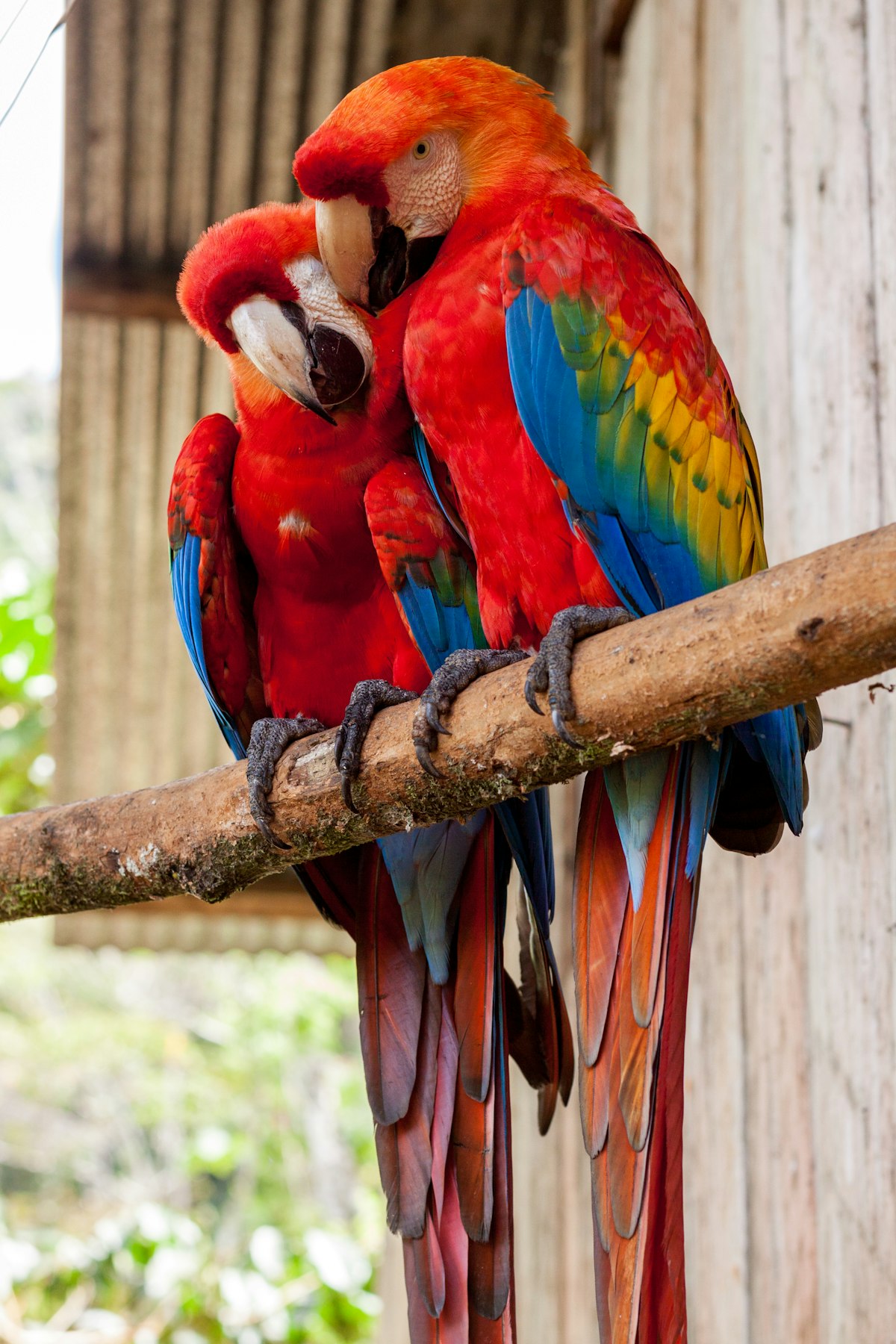
Preparing your budgie for boarding at Avian Haven Richmond Hill

Pricing

Budgie boarding is priced the same as all small bird species. All rates include food, enrichment, daily health monitoring, cage cleaning, and photo updates. Pairs and flocks housed in the same cage are priced per cage, not per bird.

$15
Daily Sitting
$95
Weekly Boarding
$360
Monthly Boarding (7+ days)
See Full Pricing

Budgie Boarding FAQ

Will my budgie be lonely during boarding?

Budgies are flock birds that can become lonely without social interaction. If you board a single budgie, we ensure regular vocal interaction, ambient flock sounds, and enrichment throughout the day. We position single budgies within auditory range of other birds so they hear flock activity. Bonded pairs are always kept together in their shared cage.

What do you feed budgies during boarding?

We follow your established diet precisely. A healthy budgie boarding diet includes high-quality pellets or a quality seed mix as the base, supplemented with fresh vegetables like broccoli, spinach, carrot, and leafy greens. We include sprouted seeds for added nutrition and offer millet spray as an occasional treat. Cuttlebone or mineral block access is maintained for calcium. We monitor food intake closely as budgies can be subtle about appetite changes.

How do you keep budgies warm enough during boarding?

Budgies are native to warm Australian climates and are sensitive to temperature drops and drafts. Our facility maintains consistent temperatures between 20-24 degrees Celsius. Budgie enclosures are positioned away from windows, doors, and air vents. During Ontario winters, we monitor temperature carefully and provide additional warmth if needed.

Do budgies get out-of-cage time during boarding?

Yes, for budgies that are comfortable with it. If your budgie is used to out-of-cage time at home, we provide supervised flight and exploration sessions in a bird-safe room. For budgies that are not hand-tamed or are nervous flyers, we focus on in-cage enrichment with varied toys, foraging activities, and social interaction through the cage bars.

Can you board a pair or flock of budgies together?

Absolutely. Bonded pairs and established flocks are housed together in their familiar cage or in an appropriately sized enclosure we provide. Keeping bonded budgies together significantly reduces boarding stress. We observe flock dynamics to ensure all birds are getting along and eating well.

How do you monitor budgie health during boarding?

Budgies are small birds that can decline quickly when unwell, so vigilant monitoring is essential. We check each budgie multiple times daily for signs of illness: fluffed feathers, reduced vocalization, sitting on the cage floor, changes in droppings, reduced food and water intake, or discharge from eyes or nares. Any concern triggers an immediate call to your avian vet. We also weigh budgies regularly to catch weight changes early.

Related Species Guides

View All Species

Book Budgie Boarding

Give your budgie the attentive, species-specific care they deserve while you are away. Contact us to discuss your bird's needs and schedule their stay.

Get a Quote View All Species