
Cockatiel Boarding in Richmond Hill

Cockatiels are one of the most beloved companion birds — and one of the most sensitive to environmental changes. Our cockatiel boarding service is designed around their specific needs, from night fright prevention to proper light cycling and species-appropriate enrichment.
Why Cockatiels Need Specialized Boarding

Cockatiels are not just small parrots — they have unique behavioural and physiological traits that general pet sitters often overlook. They are prone to night frights, sensitive to light cycle disruptions, susceptible to respiratory issues from airborne irritants, and can develop stress-related feather plucking when their routine is disrupted.

At Avian Haven, we understand these needs because we have cared for hundreds of cockatiels. Our facility is designed to minimize the stressors that cockatiels experience in unfamiliar environments, and our handlers are trained to recognize the subtle body language cues — crest position, wing posture, vocalization patterns — that tell us how your cockatiel is feeling.

  • Night fright prevention protocols with dim nightlighting
  • Consistent 10-12 hour light cycling to prevent hormonal triggers
  • PTFE-free, aerosol-free environment for respiratory safety
  • Experienced handlers trained in cockatiel body language
  • Calm, low-traffic enclosure placement away from sudden stimuli
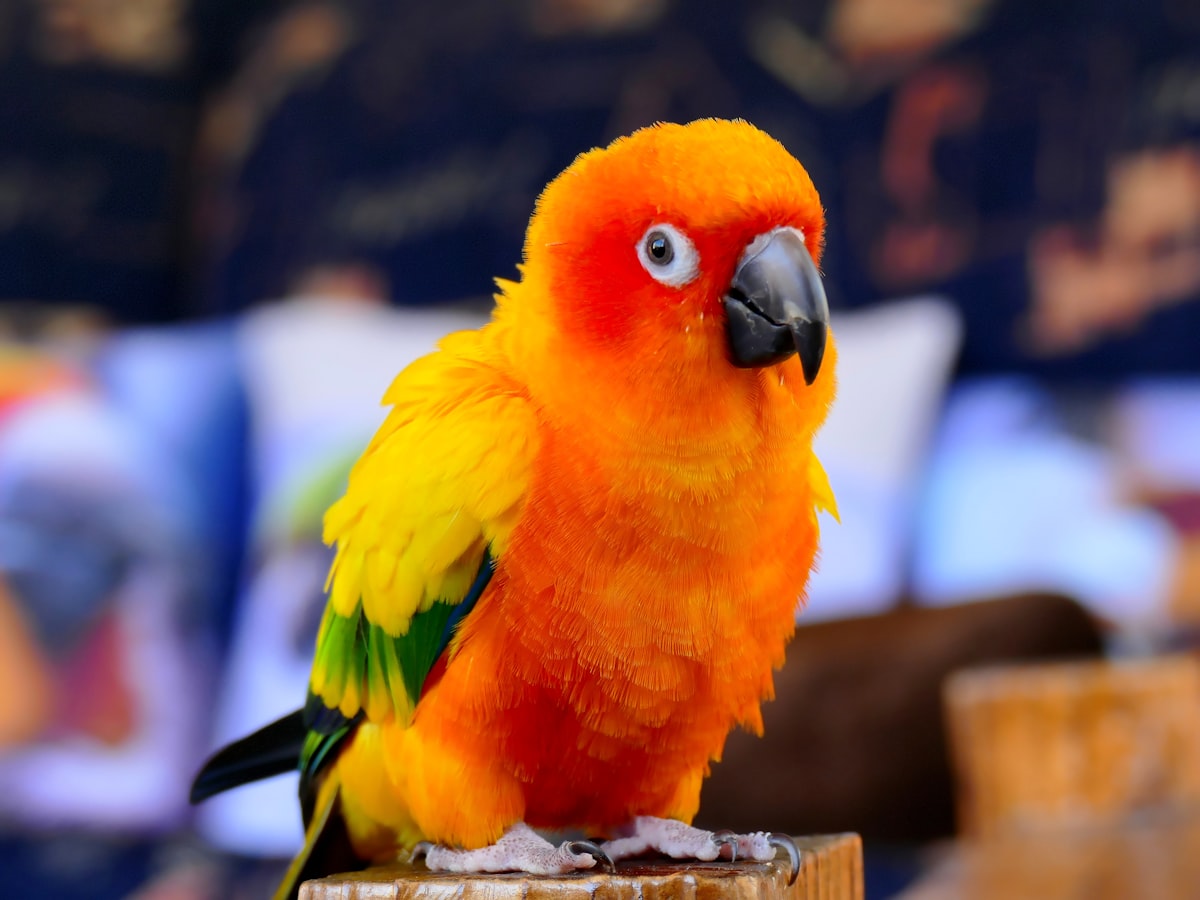
Cockatiel boarding at Avian Haven Richmond Hill

How We Care for Your Cockatiel

Every cockatiel that boards with us receives a personalized care plan based on your bird's specific routine, diet, and personality.

Morning Routine

Cage uncovering at your bird's usual time, morning wellness check (weight, droppings, activity level), fresh water and food preparation. We note and follow your cockatiel's morning preferences — some are early risers, others need a gentle wake-up.

Diet & Nutrition

We follow your cockatiel's established diet precisely — pellets, seeds, fresh vegetables, and treats in the quantities and timing you specify. Common cockatiel favourites like millet spray, leafy greens, and carrot are always available if approved.

Enrichment & Social Time

Daily supervised out-of-cage time in a bird-safe room. Cockatiels enjoy mirrors, bells, swings, and shredding toys — we rotate enrichment throughout the stay. Many cockatiels love whistling interaction, and our handlers are happy to engage in vocal play.

Evening & Night Protocol

Cage covering at your bird's established bedtime. We use a dim nightlight to prevent night frights and position enclosures away from windows where sudden headlights or lightning could startle your bird. Quiet environment maintained through the night.

Health Monitoring

Daily droppings check, weight monitoring, feather condition assessment, and behavioural observation. Cockatiels are prone to hiding illness — we watch for subtle signs like reduced vocalization, fluffed posture, changes in crest position, and altered eating patterns.

Daily Updates

Photos and a written summary of your cockatiel's day — what they ate, how they behaved, whether they vocalized, and any observations. Many cockatiel owners tell us these updates are the best part of boarding with us.

Cockatiel Health & Behaviour During Boarding

Here are the most common cockatiel-specific issues we encounter during boarding and how we handle them.

Night Frights

Cockatiels are especially prone to night frights — episodes of panic caused by sudden sounds, shadows, or total darkness. We prevent this by providing a dim nightlight, positioning cages away from windows, and maintaining a quiet overnight environment. If a night fright occurs, we check your bird immediately for injury.

Stress Moulting

Some cockatiels experience a stress moult when their environment changes. This is normal and temporary. We minimize stress by maintaining your bird's routine as closely as possible, providing familiar enrichment, and avoiding unnecessary handling during the adjustment period.

Reduced Appetite (First Day)

Many cockatiels eat less on their first day of boarding due to environmental adjustment. This is expected. We monitor food consumption closely and ensure multiple food options are available. Appetite typically normalizes within 24 hours. If not, we contact you and consult with our avian vet.

Hormonal Behaviour

Female cockatiels may lay eggs during boarding, and both sexes can display hormonal behaviours like cage aggression or excessive preening. We manage this by controlling light exposure (10-12 hours maximum), removing potential nesting materials, and avoiding hormonal triggers like back petting.

What to Bring for Your Cockatiel's Stay

While we provide all essential care supplies, bringing familiar items from home can help your cockatiel feel more comfortable during boarding.

  • Their regular food — pellet brand, seed mix, and any fresh food preferences to maintain dietary consistency
  • Favourite toys — 2-3 familiar toys that carry their scent and provide comfort
  • Cage cover — if your cockatiel has a specific covering they are used to at night
  • Care instructions — written notes on their daily routine, dietary specifics, and any quirks we should know about
  • Vet contact — your avian vet's name and phone number in case of emergency
  • Medication — if applicable, with clear dosing instructions and your vet's contact for questions

You do not need to bring a cage — we have appropriately sized enclosures available. If you prefer to bring your own cage, that is also welcome.

Preparing your cockatiel for boarding at Avian Haven Richmond Hill

Pricing

Cockatiel boarding is priced the same as all small to medium bird species. All rates include food, enrichment, daily health monitoring, cage cleaning, and photo updates.

$20
Daily Sitting
$125
Weekly Boarding
$480
Monthly Boarding (7+ days)
See Full Pricing

Cockatiel Boarding FAQ

How do you prevent night frights in cockatiels?

We position cockatiel enclosures in calm, low-traffic areas away from windows and sudden light changes. A dim nightlight is provided to prevent total darkness, which is a common trigger for night frights. We also maintain consistent evening routines and avoid sudden noises near sleeping birds.

What do you feed cockatiels during boarding?

We follow your established diet precisely. A typical cockatiel boarding diet includes high-quality pellets as the base, supplemented with seeds in moderation, fresh vegetables like leafy greens, carrots, and broccoli, and occasional fruit treats. We are experienced with transitioning cockatiels between seed-heavy and pellet-based diets if your vet has recommended a dietary change.

Can you handle cockatiel hormonal behaviour?

Yes. Our team is experienced with hormonal cockatiels, including excessive egg-laying in females, territorial behaviour, and nesting tendencies. We manage lighting to avoid triggering hormonal behaviour (no more than 10-12 hours of light per day), remove potential nesting materials, and avoid petting along the back or under the wings.

Do cockatiels need out-of-cage time during boarding?

Yes, and we provide it daily. Cockatiels are active, social birds that benefit from supervised out-of-cage time. During boarding, we provide at least one supervised session per day in a bird-safe room where your cockatiel can stretch, fly or glide, and interact with our handlers.

Will my cockatiel be around other birds?

Cockatiels are housed individually in their own enclosure unless you have bonded birds that share a cage at home. While they may be in visual or auditory range of other birds, direct contact with unfamiliar birds is not permitted. This prevents stress, territorial conflict, and potential disease transmission.

Related Species Guides

View All Species

Book Cockatiel Boarding

Give your cockatiel the specialized care they deserve. Contact us to discuss your bird's needs and schedule their stay.

Get a Quote View All Species