
Conure Boarding in Richmond Hill

Conures are the clowns of the parrot world — bursting with energy, personality, and affection. Whether you have a cuddly green cheek, a vibrant sun conure, or a playful jenday, our conure boarding service is built around their high-energy needs, social nature, and species-specific health considerations.
Why Conures Need Specialized Boarding

Conures are not low-maintenance birds. They are intensely social, physically active, and emotionally expressive. A conure left in a cage with minimal interaction will quickly become stressed, vocal, and potentially destructive. General pet sitters who treat conures like passive animals miss the mark entirely.

At Avian Haven, we understand that conures thrive on interaction, physical play, and mental challenges. Our team is trained to read conure body language — the pinning eyes that signal excitement, the beak grinding that means contentment, the fluffed posture that suggests discomfort — and to respond appropriately. We have boarded dozens of conure species and understand the subtle differences between them.

  • Multiple daily interaction and play sessions
  • High-energy enrichment and foraging activities
  • Noise-managed housing that respects natural vocalization
  • Vitamin K-aware diet planning for bleeding syndrome prevention
  • Nippiness management through positive reinforcement
  • Daily photo and video updates to owners
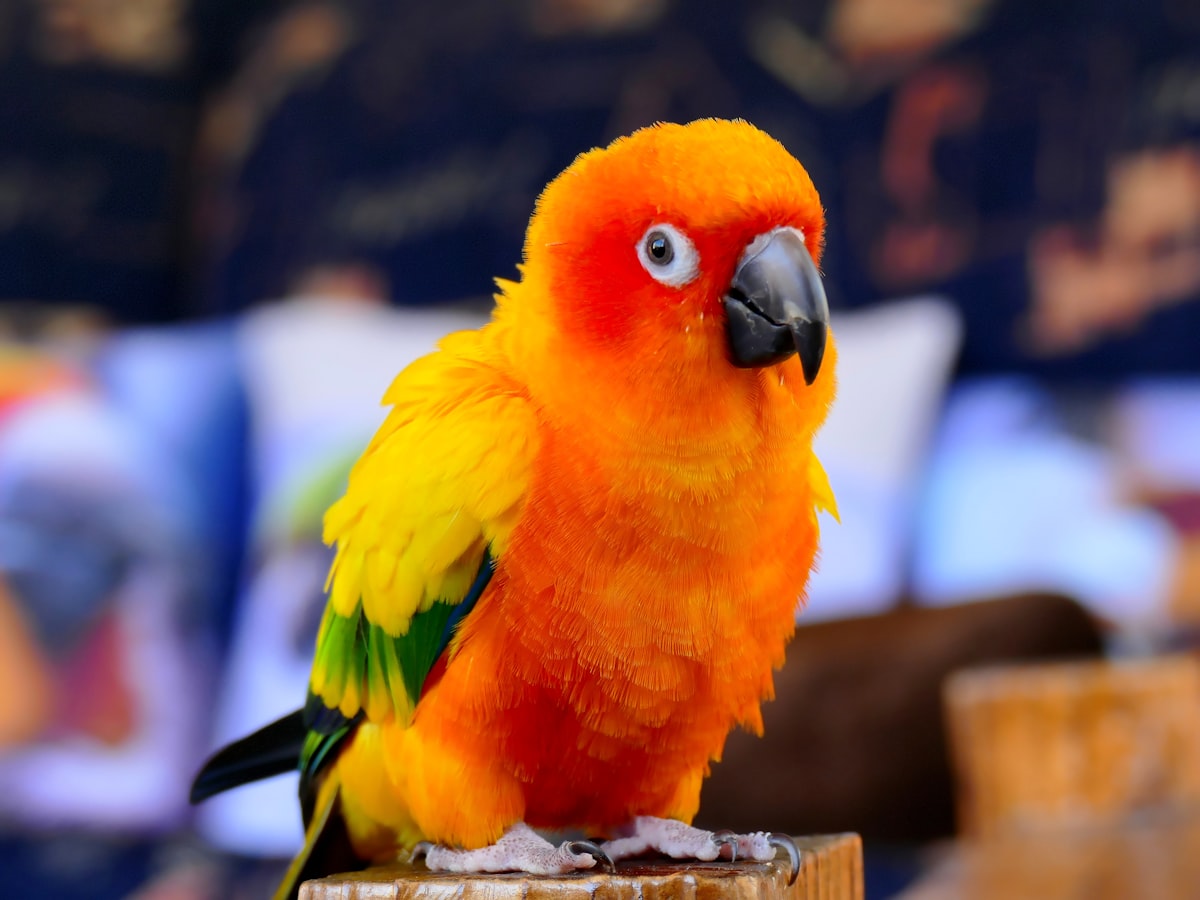
Conure receiving enrichment and interaction during boarding at Avian Haven Richmond Hill

Our Conure Care Plan

Every boarded conure receives a tailored care routine designed around the six pillars of conure wellness.

High-Energy Enrichment

Conures need to burn energy. We provide climbing opportunities, swinging toys, shredding materials, and foraging challenges that rotate daily. Bored conures become loud or destructive — engaged conures are happy conures. We match enrichment intensity to your conure's energy level and play style.

Social Interaction

Conures are flock birds that crave companionship. Our handlers schedule multiple dedicated interaction sessions throughout the day — step-up practice, gentle handling, interactive play with bells and balls, and simply being present in the room. We build trust at the bird's pace, never forcing interaction.

Species-Appropriate Diet

We follow your established diet while ensuring nutritional completeness. Conures thrive on pellets supplemented with a wide variety of fresh fruits and vegetables — berries, grapes, sweet potato, peppers, corn, and leafy greens. We include Vitamin K-rich foods like broccoli and kale to support healthy blood clotting, an important consideration for conure species.

Noise Management

We never punish or suppress natural conure vocalizations. Instead, we manage noise through environment design — housing conures in areas where their calls do not startle quieter species. Excessive screaming is addressed at the root: ensuring adequate enrichment, consistent routines, and sufficient social time. A content conure is a quieter conure.

Nippiness Handling

Many conures nip, especially when nervous or testing boundaries in a new environment. Our handlers are experienced with conure biting behaviour and use calm, consistent responses. We read the warning signs — lunging posture, pinning eyes, beak positioning — and adjust our approach. Most conures settle within a day or two once they feel safe.

Health Monitoring

Daily wellness checks include weight tracking, droppings assessment, appetite monitoring, and feather condition review. We watch specifically for signs of Conure Bleeding Syndrome — unusual bruising, blood in droppings, or prolonged bleeding from minor injuries. Any concerns trigger an immediate call to your avian vet.

Conure Varieties We Care For

We board all conure species. Here are some of the most common varieties we see, along with their unique boarding considerations.

Green Cheek Conures

The most popular pet conure — small, cuddly, and relatively quiet for a conure. Green cheeks are known for their playful, affectionate personalities and love of snuggling. They can be nippy during hormonal seasons. We provide extra warmth attention as green cheeks are sensitive to temperature drops. Mutations include pineapple, cinnamon, turquoise, and yellowside.

Sun Conures

Stunningly beautiful and notoriously loud. Sun conures are among the most vocal conure species, with calls that can reach 120 decibels. We house sun conures in our sound-managed area and provide extra enrichment to channel their energy. Their vibrant plumage requires proper nutrition — we ensure a diet rich in beta-carotene foods to maintain feather colour.

Jenday Conures

Close relatives of sun conures with similar noise levels and equally vivid colours. Jendays are playful, acrobatic, and love to hang upside down. They bond strongly with their handlers and can become possessive — we manage this through balanced attention and consistent boundaries during boarding.

Nanday (Black-Hooded) Conures

Intelligent, active, and very vocal. Nandays are excellent talkers for the conure family and enjoy learning tricks. They are also among the most nippy conure species and require patient, experienced handlers. We provide puzzle-based enrichment that challenges their intelligence and keeps them engaged.

Pineapple & Cinnamon Conures

These are colour mutations of the green cheek conure, not separate species — but owners often ask about them specifically. Pineapple and cinnamon conures have the same care requirements as standard green cheeks: moderate noise levels, cuddly temperament, and sensitivity to temperature. Their care during boarding is identical to green cheek protocol.

Half-Moon & Dusky Conures

Less common but equally deserving of specialized care. Half-moon conures (orange-fronted) are quieter than many conure species and slightly more independent. Dusky conures are playful and social with a moderate noise level. Both species adapt well to boarding when given consistent routines and adequate enrichment.

What to Bring for Your Conure's Stay

While we provide all essential care supplies, bringing familiar items from home helps your conure adjust more quickly to the boarding environment.

  • Their regular food — pellet brand, seed mix, and any fresh food preferences to maintain dietary consistency
  • Favourite toys — 2-3 well-loved toys that carry their scent and provide comfort in a new setting
  • A worn shirt or cloth — something with your scent on it can help your conure feel more secure, especially for clingy species like green cheeks
  • Care instructions — written notes on daily routine, favourite treats, known triggers, and any behavioural quirks
  • Vet contact — your avian vet's name and phone number in case of emergency
  • Medication — if applicable, with clear dosing instructions and your vet's contact for questions
  • Harness or flight suit — if your conure is harness-trained, bringing it allows us to offer supervised outdoor enrichment on warm days

You do not need to bring a cage — we have appropriately sized enclosures for all conure species. If you prefer to bring your own cage, that is also welcome.

Preparing your conure for boarding at Avian Haven Richmond Hill

Conure Bleeding Syndrome — What We Watch For

Conure Bleeding Syndrome (CBS) is a condition unique to conure species where affected birds develop unexplained bleeding episodes. While the exact cause is debated, it is believed to be linked to Vitamin K deficiency or absorption issues.

Our CBS Prevention Protocol

  • Vitamin K-rich diet — broccoli, kale, spinach, and other dark leafy greens included daily
  • Droppings monitoring — checked multiple times daily for blood or unusual colour changes
  • Injury response — any minor cut or nail trim bleed is monitored for normal clotting time
  • Veterinary contact — any sign of abnormal bleeding triggers an immediate call to your avian vet
  • Styptic powder on hand — for emergency bleeding management while veterinary help is arranged

If your conure has a history of bleeding episodes, please let us know at booking so we can implement enhanced monitoring.

Pricing

Conure boarding is priced the same as all small to medium bird species. All rates include food, enrichment, daily health monitoring, cage cleaning, and photo updates.

$20
Daily Sitting
$125
Weekly Boarding
$480
Monthly Boarding (7+ days)
See Full Pricing

Conure Boarding FAQ

How do you manage conure noise levels during boarding?

Conures are naturally vocal birds, and we never punish or discourage normal vocalizations. Our boarding area is designed with sound management in mind — conures are housed in spaces where their calls do not startle quieter species. We address excessive screaming by ensuring adequate enrichment, social interaction, and routine consistency. A bored or anxious conure screams more, so our approach focuses on meeting their needs rather than suppressing natural behaviour.

What do you feed conures during boarding?

We follow your established diet precisely. A typical conure boarding diet includes high-quality pellets as the base, supplemented with a wide variety of fresh fruits and vegetables — conures especially enjoy grapes, apples, berries, sweet potato, corn, and leafy greens. We are aware that some conure species are susceptible to Conure Bleeding Syndrome, which may be linked to Vitamin K deficiency, so we ensure Vitamin K-rich foods like broccoli and kale are included.

Can you handle a nippy conure?

Absolutely. Many conures go through nippy phases, especially in new environments or when they feel uncertain. Our handlers are experienced with conure body language and use patience, positive reinforcement, and trust-building techniques to interact safely. We never react negatively to a nip — we read the bird's signals and adjust our approach. Most conures warm up within the first day or two.

Do conures get out-of-cage time during boarding?

Yes. Conures are extremely active birds that need physical exercise and mental stimulation beyond what cage time provides. We offer daily supervised out-of-cage sessions in a bird-safe room where your conure can climb, explore, and interact with our team. For conures comfortable with handling, we include step-up practice and interactive play.

Will my conure be housed near other birds?

Each conure is housed individually in their own enclosure unless you bring bonded pairs that share a cage at home. Conures may be within auditory range of other birds, which most conures enjoy as social creatures, but direct contact with unfamiliar birds is not permitted. This prevents stress, territorial behaviour, and disease transmission.

What is Conure Bleeding Syndrome and how do you monitor for it?

Conure Bleeding Syndrome is a condition where conures develop unexplained bleeding, potentially linked to Vitamin K deficiency. While rare, we monitor all boarded conures for signs including unusual bruising, blood in droppings, or bleeding from minor injuries that does not stop normally. We ensure Vitamin K-rich foods are part of the diet and contact your avian vet immediately if any concerning signs appear.

Related Species Guides

View All Species

Book Conure Boarding

Give your conure the active, engaging care they need while you are away. Contact us to discuss your bird's personality and schedule their stay.

Get a Quote View All Species