
Lorikeet & Lory Boarding in Richmond Hill

Lorikeets and lories are unlike any other companion parrot — vibrant, clownish, endlessly energetic, and powered by a liquid nectar diet that makes them the messiest birds in aviculture. Our lorikeet boarding service is built entirely around their unique dietary, cleaning, and enrichment needs.
Why Lorikeets Need Specialized Care

Lorikeets have the most unique dietary requirement of any companion bird. Their brush-tipped tongues are specially adapted to extract pollen and nectar from flowers — they are not seed eaters. A lorikeet fed a standard parrot seed or pellet diet will suffer serious liver damage over time. This single fact makes lorikeets incompatible with generic bird boarding services that apply a one-size-fits-all feeding approach.

Beyond diet, lorikeets produce liquid droppings as a natural consequence of their nectar-based nutrition. This is normal, not diarrhea — but it means their cage environment requires far more frequent cleaning than any other parrot species. Splash guards, absorbent liners, and waterproof surfaces are not optional, they are essential. Most pet sitters and general boarding facilities are simply not equipped for this level of mess management.

At Avian Haven, we have dedicated lorikeet boarding protocols developed specifically for these extraordinary birds. Our team understands nectar formulation, iron storage disease prevention, the difference between normal and abnormal lorikeet droppings, and how to channel their boundless energy into positive enrichment.

  • Commercial lorikeet nectar mixes — wet and dry formulations
  • Multiple daily cage cleanings with splash guard management
  • Low-iron diet protocol to prevent hemochromatosis
  • Daily bathing and misting sessions
  • High-energy enrichment for extremely active birds
  • Daily photo and video updates to owners
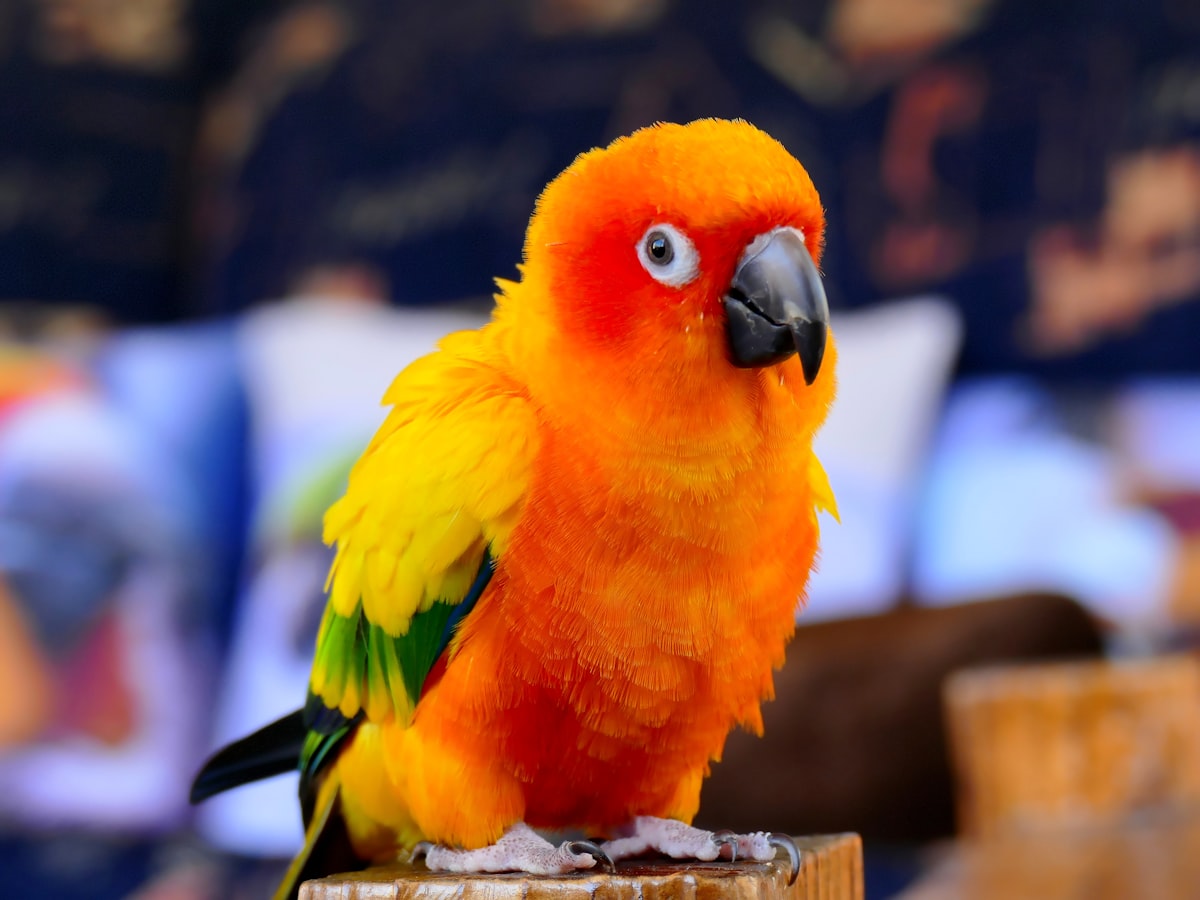
Lorikeet receiving specialized nectar diet care during boarding at Avian Haven Richmond Hill

Our Lorikeet Care Plan

Every boarded lorikeet receives a tailored care routine designed around the six pillars of lorikeet wellness — each one critical to keeping these extraordinary birds healthy and happy.

Nectar Diet Management

This is the defining challenge of lorikeet care. Lorikeets eat nectar, not seeds or pellets. Their specialized brush-tipped tongues are designed to lap up liquid food from flowers. We provide commercial lorikeet nectar in both wet and dry formulations, prepared fresh multiple times daily. We supplement with a rotating selection of fresh fruits — grapes, apples, pears, melon, mango, and papaya. We follow your established nectar brand and mixing ratio precisely, because even small dietary changes can cause digestive upset in these sensitive birds.

Mess Management

Lorikeet droppings are liquid — this is completely normal and is a direct consequence of their nectar diet, not a sign of illness. However, it means their cage environment requires a level of cleaning that no other parrot species demands. We use splash guards on all lorikeet enclosures, change absorbent cage liners multiple times daily, and wipe down surrounding surfaces frequently. Waterproof flooring under lorikeet cages is standard. We never let mess accumulate — a clean environment is essential for preventing bacterial growth.

High Energy Enrichment

Lorikeets are extremely active and playful birds — among the most energetic of all parrot species. They need constant stimulation to prevent boredom and behavioural issues. We provide climbing ropes, swinging perches, bells, hanging toys, and foraging puzzles that rotate daily. Lorikeets love hanging upside down and playing on their backs, so we include toys and perch configurations that encourage this natural behaviour. A bored lorikeet becomes a screaming, destructive lorikeet — an engaged one is a joy.

Daily Bathing

Lorikeets absolutely love bathing — it is not optional, it is a daily necessity. We provide every boarded lorikeet with a bathing opportunity each day, either through a fine mist spray or a shallow water dish. Most lorikeets will splash enthusiastically, roll around in the water, and play for extended periods. Bathing maintains feather condition, provides excellent mental enrichment, and is clearly one of the great pleasures of a lorikeet's day. We schedule baths early enough for complete drying before evening.

Iron Storage Disease Prevention

Lorikeets are among the parrot species most prone to hemochromatosis — Iron Storage Disease — where excess dietary iron accumulates in the liver and other organs, eventually causing organ failure. Prevention through diet is critical. We strictly avoid high-iron foods: no spinach, no kale, no red meat, no iron-fortified pellets or supplements. We use lorikeet-specific nectar formulations that are intentionally low in iron, and supplement only with low-iron fruits. If your lorikeet has a diagnosed iron issue, we coordinate directly with your avian vet.

Temperature & Humidity

Lorikeets are tropical birds originating from warm, humid environments in Australasia. They are sensitive to cold drafts and low humidity. We maintain our lorikeet boarding area at a consistent comfortable temperature and monitor humidity levels to prevent dry skin and feather issues. During Canadian winters, supplemental warmth is provided as needed. Their enclosures are positioned away from drafts, air conditioning vents, and windows. Daily misting also helps maintain appropriate humidity around each bird.

Lorikeet & Lory Varieties We Board

We board all lorikeet and lory species. Here are some of the most common varieties we care for, along with their unique boarding considerations.

Rainbow Lorikeet

The most iconic and widely kept lorikeet species — stunningly colourful with a bold, outgoing personality. Rainbow lorikeets are highly social, extremely vocal, and full of clownish energy. They bond strongly with their caregivers and can be territorial about their cage space. We provide extra enrichment and interaction time to match their demanding social needs. Their vibrant plumage requires proper nectar nutrition to maintain its brilliance.

Scaly-breasted Lorikeet

Slightly quieter and more reserved than rainbow lorikeets, scaly-breasted lorikeets are gentle, social birds with beautiful green plumage and distinctive yellow scalloping on the chest. They adapt well to boarding environments and are generally less nippy than their rainbow cousins. Their dietary needs are identical to other lorikeets — strictly nectar and fruit, never seeds.

Red Lory

One of the most striking lory species with brilliant crimson plumage. Red lories are intelligent, playful, and can be possessive of their favourite toys and people. They have a reputation for being somewhat feisty and require confident, experienced handlers. Their nectar requirements are identical to lorikeets, and they are equally susceptible to iron storage disease. We provide extra foraging enrichment to keep their sharp minds engaged.

Black Lory

A less common but remarkable lory species with deep black-purple plumage. Black lories are curious and social birds that bond strongly with their handlers. They tend to be calmer than some of the more excitable lorikeet species but still require the full nectar diet protocol, daily bathing, and consistent enrichment. Their dark plumage makes feather condition changes harder to spot, so we pay extra attention during daily health checks.

Chattering Lory & Dusky Lory

Chattering lories are among the best talkers in the lory family — vocal, engaging, and highly interactive. Dusky lories are playful and acrobatic with a distinctive brown-orange colouring. Both species share the standard lorikeet dietary requirements and sensitivity to iron. Chattering lories in particular benefit from extra social interaction during boarding, as they thrive on vocal engagement with their caregivers.

Swainson's (Blue Mountain) & Musk Lorikeet

Swainson's lorikeets, also known as Blue Mountain lorikeets, are closely related to rainbow lorikeets with similar care requirements but tend to be slightly more independent. Musk lorikeets are smaller, quieter, and among the more manageable lorikeet species for boarding — though their nectar diet and liquid droppings require the same specialized cleaning protocols as any lorikeet. Both species adapt well to structured boarding routines.

What to Bring for Your Lorikeet's Stay

While we stock commercial lorikeet nectar and fresh fruits, bringing familiar items from home helps your lorikeet adjust more quickly to the boarding environment.

  • Their regular nectar mix — brand name, mixing ratio, and whether they prefer wet or dry formulation to maintain dietary consistency
  • Favourite fruits — a list of preferred fruits and any fruits they refuse, so we can match their preferences from day one
  • Favourite toys — 2-3 well-loved toys that carry their scent and provide comfort, especially bells and swinging toys
  • A worn shirt or cloth — something with your scent on it can help your lorikeet feel more secure during the first day or two
  • Care instructions — written notes on daily routine, bathing preferences, play style, known triggers, and any behavioural quirks
  • Vet contact — your avian vet's name and phone number in case of emergency, especially if your bird has a history of iron storage issues
  • Medication — if applicable, with clear dosing instructions and your vet's contact for questions

You do not need to bring a cage — we have appropriately sized enclosures with splash guards for all lorikeet species. If you prefer to bring your own cage, that is also welcome.

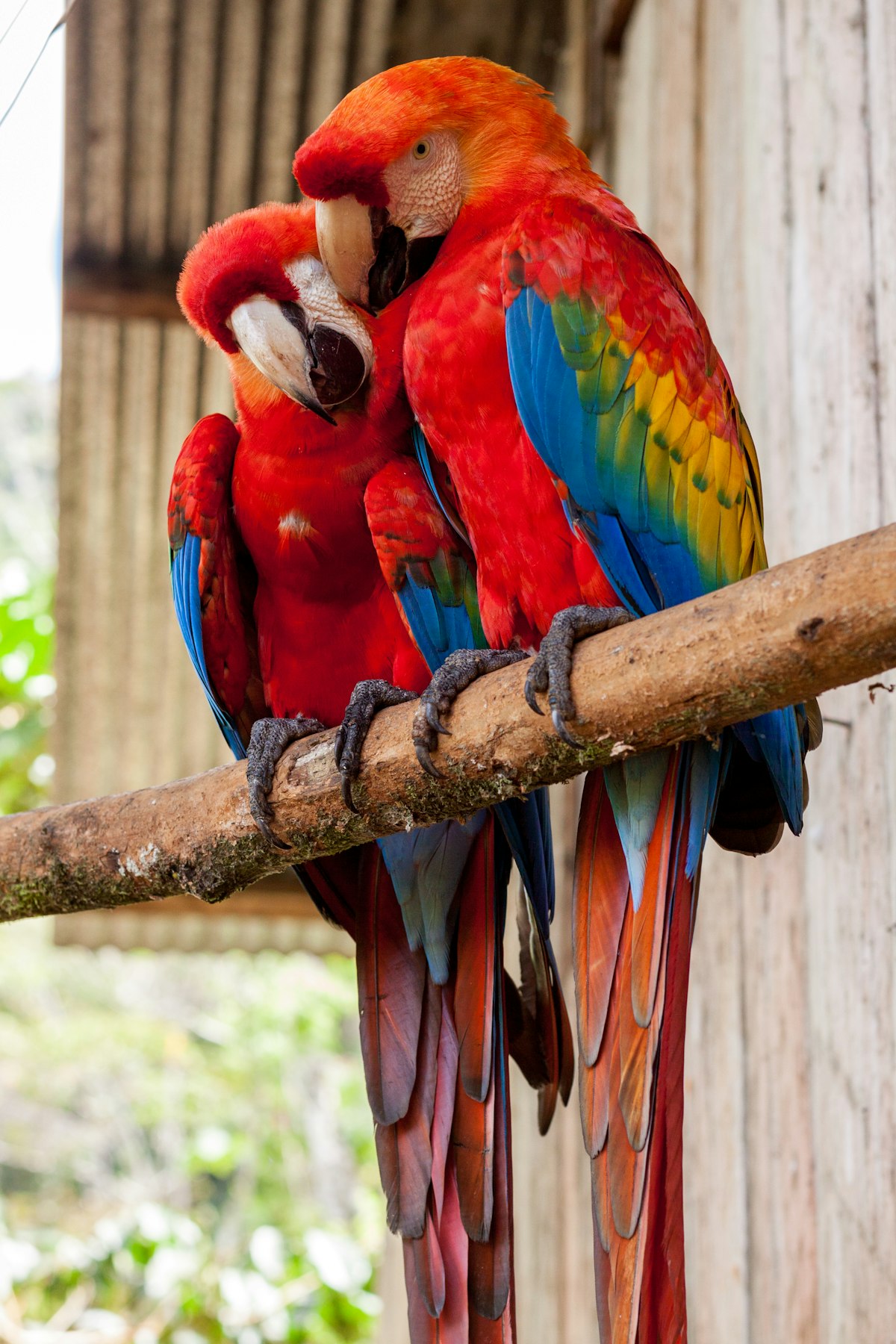
Preparing your lorikeet for boarding at Avian Haven Richmond Hill

Iron Storage Disease — What Every Lorikeet Owner Should Know

Iron Storage Disease (hemochromatosis) is the most significant health risk for captive lorikeets and lories. Excess dietary iron accumulates in the liver and other organs over time, eventually causing organ failure. Prevention through strict dietary management is far more effective than treatment.

Our Iron Storage Disease Prevention Protocol

  • Low-iron nectar formulations — we use lorikeet-specific commercial nectars that are formulated with reduced iron content
  • No high-iron foods — spinach, kale, red meat, and iron-fortified pellets are strictly excluded from lorikeet diets
  • Low-iron fruit selection — we focus on grapes, apples, pears, melon, and papaya rather than iron-rich produce
  • Vitamin C management — we monitor citrus intake since Vitamin C increases iron absorption
  • Behavioural monitoring — lethargy, laboured breathing, or abdominal swelling can indicate iron overload and trigger an immediate vet call

If your lorikeet has been diagnosed with iron storage disease or has elevated iron levels on bloodwork, please inform us at booking so we can implement our enhanced low-iron protocol and coordinate with your avian vet.

Pricing

Lorikeet boarding is priced at our medium bird tier. All rates include nectar diet preparation, fresh fruit, daily bathing, multiple cage cleanings, enrichment, daily health monitoring, and photo updates.

$20
Daily Sitting
$125
Weekly Boarding
See Full Pricing

Lorikeet Boarding FAQ

What do lorikeets eat during boarding?

Lorikeets have the most unique dietary requirement of any companion bird. They are nectar feeders with specialized brush-tipped tongues designed to extract pollen and nectar from flowers. We provide commercial lorikeet nectar mixes (both wet and dry formulations) along with fresh fruits such as grapes, apples, pears, melon, and papaya. Lorikeets cannot properly digest seeds — a seed-based diet causes serious liver damage over time. We follow your established nectar brand and feeding schedule precisely.

Why are lorikeet droppings so liquid and is that normal?

Liquid droppings are completely normal for lorikeets and are not a sign of illness. Because lorikeets consume a primarily liquid nectar diet, their droppings are naturally watery and loose. This is the single biggest difference between boarding a lorikeet and any other parrot species. Our facility is equipped with splash guards, absorbent cage liners that are changed multiple times daily, and waterproof surfaces around lorikeet enclosures. We know the difference between normal lorikeet droppings and genuinely abnormal ones.

What is Iron Storage Disease and how do you prevent it?

Iron Storage Disease, also called hemochromatosis, is a condition where excess iron accumulates in a bird's organs, particularly the liver. Lorikeets and lories are among the most susceptible parrot species. We prevent it by strictly avoiding high-iron foods — no spinach, no kale, no red meat, no iron-fortified pellets. We use lorikeet-specific nectar formulations that are low in iron and supplement with low-iron fruits. If your lorikeet has a diagnosed iron storage issue, we coordinate with your avian vet on dietary restrictions.

Do lorikeets get bathing opportunities during boarding?

Absolutely — lorikeets love bathing and we consider it an essential part of their daily care, not a luxury. Every boarded lorikeet receives a daily bathing opportunity, either through a fine mist spray or a shallow water dish. Many lorikeets will splash enthusiastically, roll around in the water, and play for extended periods. Bathing keeps their plumage in excellent condition and provides mental enrichment. We adjust water temperature to lukewarm and ensure bathing happens early enough in the day for feathers to dry completely before evening.

Can you handle a nippy lorikeet?

Yes. Lorikeets can be nippy during play, but this is almost always overexcitement rather than aggression. Lorikeets are incredibly playful and energetic birds that sometimes get carried away during interaction. Our handlers are experienced with lorikeet body language and understand the difference between a playful nip and a fear bite. We use calm, consistent handling techniques and redirect nippy behaviour with toys and enrichment activities. Most lorikeets settle quickly once they realize we understand their play style.

Will my lorikeet be housed near other birds?

Each lorikeet is housed individually in their own enclosure unless you bring bonded pairs that share a cage at home. Due to the unique mess factor of lorikeet droppings, we house lorikeets in a dedicated area with waterproof surfaces and enhanced cleaning protocols. Lorikeets may be within auditory range of other birds, which they typically enjoy as highly social creatures, but direct contact with unfamiliar birds is never permitted. This prevents stress, territorial behaviour, and disease transmission.

Related Species Guides

View All Species

Book Lorikeet Boarding

Give your lorikeet the specialized nectar-diet care they need while you are away. Contact us to discuss your bird's dietary requirements and schedule their stay.

Get a Quote View All Species