
Eclectus Parrot Boarding in Richmond Hill

Eclectus parrots are among the most diet-sensitive companion birds in the world. Their unusually long digestive tracts, intolerance to artificial additives, and proneness to vitamin toxicity mean that boarding an Eclectus is not something you trust to a general pet sitter. It requires specialized knowledge, a commitment to fresh-food preparation, and an understanding of what keeps these stunning parrots healthy.
Why Eclectus Parrots Need Specialized Care

Eclectus parrots are fundamentally different from most companion parrots when it comes to care. Where a cockatiel or conure can thrive on a standard pellet-and-vegetable diet, an Eclectus can become seriously ill on the same food. Their digestive system is uniquely long, which means they absorb nutrients — and toxins — far more efficiently than other parrot species. Artificial colours, synthetic vitamins, and preservatives that pass through other birds harmlessly can accumulate in an Eclectus and cause neurological symptoms like toe-tapping and wing-flipping.

At Avian Haven, we understand that Eclectus care is diet-first. Every aspect of our Eclectus boarding protocol is built around providing the clean, fresh, additive-free nutrition these birds require. Our team knows the difference between a behavioural issue and a dietary one — and for Eclectus parrots, the answer is almost always dietary.

  • Fresh-food-dominant diet — no artificial colours, dyes, or synthetic vitamins
  • Daily monitoring for toe-tapping and wing-flipping symptoms
  • Calm, low-stimulation environment suited to Eclectus temperament
  • Gentle handling by experienced Eclectus-familiar staff
  • Feather condition tracking with daily photo documentation
  • Separated from powder-down species (cockatoos, cockatiels, greys)
  • Individual care plans for each Eclectus based on owner instructions
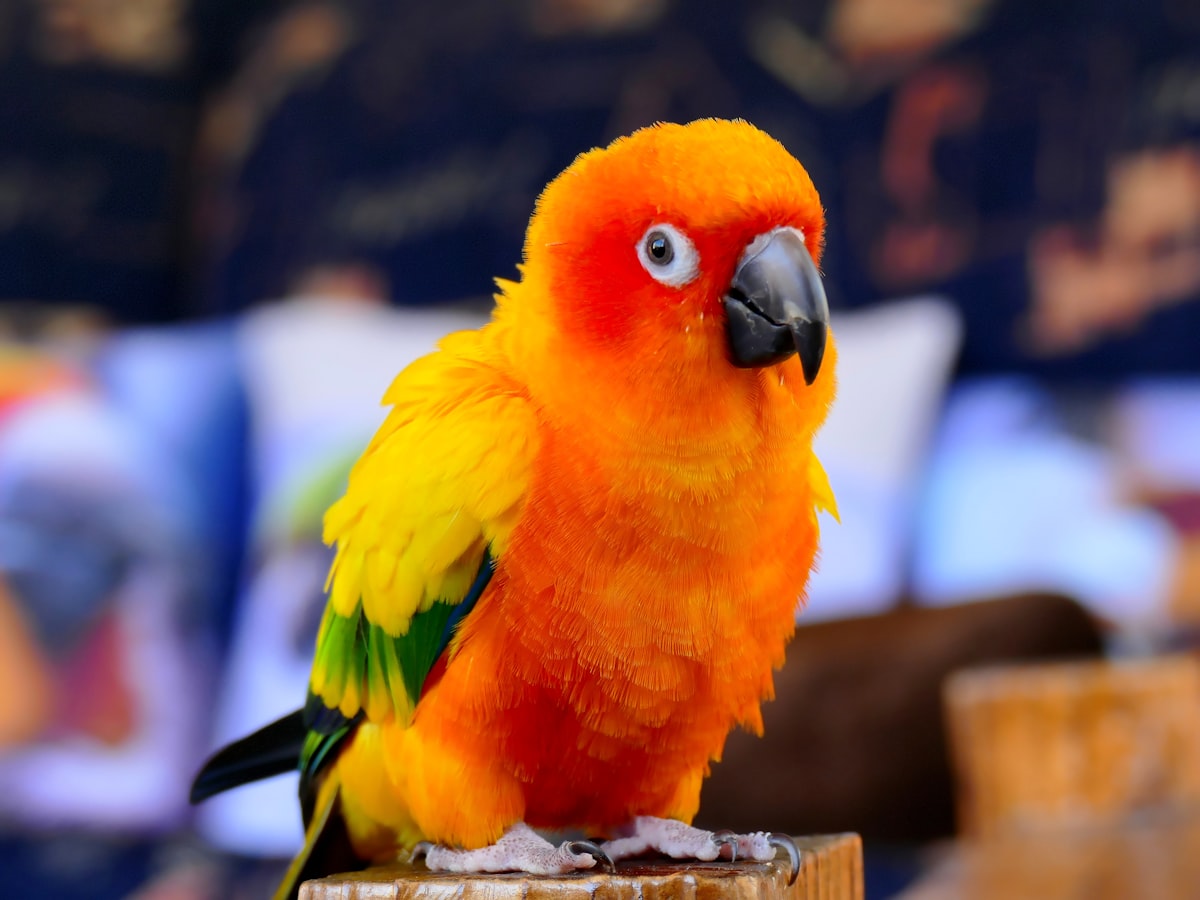
Eclectus parrot receiving fresh food and enrichment during boarding at Avian Haven Richmond Hill

Our Eclectus Care Plan

Every boarded Eclectus receives an individualized care routine built around six critical areas that determine their health and wellbeing.

Unique Dietary Requirements

This is the single most important aspect of Eclectus care. Eclectus parrots have an unusually long digestive tract that absorbs nutrients — and harmful additives — far more efficiently than other parrots. They cannot tolerate pellets with artificial colours, synthetic vitamins, or chemical preservatives. We prepare fresh meals daily: dark leafy greens, carrots, sweet potato, squash, broccoli, green beans, pomegranate, papaya, mango, and other whole foods. If your Eclectus eats a specific natural pellet, we continue it. Everything else is fresh, whole, and additive-free.

Feather Care

Feather destruction in Eclectus parrots is overwhelmingly a dietary problem, not a behavioural one. When an Eclectus is fed pellets containing synthetic vitamins or artificial colourants, the resulting vitamin toxicity manifests first in feather quality — dull plumage, stress bars, barbering, and eventually plucking. During boarding, we maintain strict dietary control to prevent feather issues, monitor feather condition daily, photograph any changes, and report immediately to owners. For Eclectus with existing feather damage, we work within your veterinarian's dietary recommendations.

Hormonal Management

Eclectus parrots, particularly females, can become hormonal during certain seasons. Hormonal females may become territorial over their enclosure, seek out dark enclosed spaces for nesting, and display increased aggression. We manage hormonal behaviour through diet control — limiting high-sugar fruits and warm soft foods that can trigger nesting behaviour — maintaining consistent light cycles of 12 hours, and avoiding inadvertent nesting opportunities. Our handlers recognize hormonal body language and adjust their approach accordingly.

Gentle Handling

Eclectus parrots are calmer and less demanding of physical contact than cockatoos or macaws. They tend to be observant, thoughtful birds that prefer gentle interaction over boisterous play. Our handlers approach Eclectus with patience and quiet confidence — no sudden movements, no loud voices, no forcing interaction. We let each Eclectus set the pace for engagement. Many Eclectus enjoy being spoken to softly and will step up readily for handlers who earn their trust through consistent, gentle behaviour.

Stress Monitoring

Eclectus parrots are sensitive to environmental chaos. They do not thrive in noisy, unpredictable environments the way a conure or cockatoo might tolerate. Signs of stress in Eclectus include feather ruffling, eye pinning, retreating to the back of the enclosure, food refusal, and abnormally quiet behaviour. We house Eclectus in calmer areas of our facility, away from highly vocal species, and monitor their stress indicators daily. Any changes in behaviour, appetite, or droppings are documented and communicated to you.

Environmental Enrichment

Eclectus parrots enjoy enrichment but prefer it quieter and more cerebral than what a cockatoo or macaw would demand. We provide natural wood perches of varying diameters, foraging opportunities with fresh foods hidden in paper or palm leaves, softwood chewing blocks, and visual stimulation through window positioning or nature sounds. We avoid overly noisy or flashy toys that can stress Eclectus parrots. Out-of-cage time is offered in calm, supervised settings where the Eclectus can explore at their own pace.

Understanding Eclectus Dietary Sensitivity

The Eclectus digestive system is unlike any other companion parrot. Getting their diet right is not optional — it is the foundation of their entire health.

What We Never Feed Eclectus Parrots

  • Coloured pellets — artificial dyes (Red 40, Yellow 5, Blue 1) are absorbed intensely by the Eclectus digestive tract and can cause neurological symptoms
  • Fortified pellets with synthetic vitamins — synthetic Vitamin A and D3 in particular can accumulate to toxic levels in Eclectus due to their prolonged nutrient absorption
  • Processed treats with preservatives — BHA, BHT, ethoxyquin, and similar chemicals have no place in Eclectus nutrition
  • Excess seeds and nuts — while not toxic, high-fat diets lead to obesity and liver problems; Eclectus thrive on fresh produce, not seeds

Signs of Vitamin Toxicity We Watch For

  • Toe-tapping — involuntary rhythmic tapping of the toes, often mistaken for a nervous habit but actually a neurological symptom
  • Wing-flipping — involuntary flicking or jerking of the wings at rest, distinct from normal stretching or preening movements
  • Feather quality decline — dull, brittle feathers, stress bars, or new plucking behaviour that coincides with dietary changes
  • Behavioural changes — irritability, lethargy, or aggression that cannot be attributed to other environmental factors

If we observe any of these symptoms during boarding, we immediately review the diet, remove potential triggers, and contact you and your avian veterinarian.

Eclectus Varieties We Board

We board all Eclectus subspecies. Eclectus parrots are famous for their extreme sexual dimorphism — males are bright emerald green while females are brilliant red and purple. Both genders receive the same high standard of care.

Grand Eclectus

The largest Eclectus subspecies, Grand Eclectus males display deep emerald green plumage with bright red flanks, while females are vivid red with a deep purple-blue chest band. Grand Eclectus tend to be the most laid-back of the subspecies — calm, observant, and content to watch activity from a comfortable perch. Their larger size means slightly larger food portions, but the same strict fresh-food protocol applies. They are excellent boarders when given a quiet, consistent environment.

Vosmaeri Eclectus

Vosmaeri Eclectus are distinguished by the males' brighter, more yellow-green colouring and the females' more extensive lavender-blue chest plumage. They are slightly more active than Grand Eclectus and may enjoy a bit more interaction and enrichment. Vosmaeri females in particular can be more assertive and territorial during hormonal periods. We account for these temperament differences in our individual care plans and adjust handling and enrichment accordingly.

Solomon Island Eclectus

The most commonly kept Eclectus subspecies in North America, Solomon Island Eclectus are slightly smaller and often considered the most outgoing and adaptable of the subspecies. Males are a rich green with a lighter, more lime-toned colouring than Grand Eclectus, while females are red with a blue eye-ring and purple abdomen. Solomon Island Eclectus tend to adjust to boarding environments more readily, though they retain all the same dietary sensitivities common to the species.

Red-sided Eclectus

Red-sided Eclectus males are identifiable by the more prominent red patches along their flanks and under their wings. Females display the species' characteristic red and purple but with distinct regional variations in colour intensity. Red-sided Eclectus share the calm disposition typical of the species and have identical dietary requirements. They respond well to gentle, patient handlers and a predictable daily routine during boarding.

What to Bring for Your Eclectus's Stay

Eclectus parrots benefit from dietary consistency above all else. Bringing the right information and supplies ensures a smooth, healthy boarding experience.

  • Detailed diet list — specific fresh foods your Eclectus eats daily, any natural pellet brand they accept, and foods they refuse or react to
  • Known sensitivities — any history of toe-tapping, wing-flipping, feather issues, or reactions to specific foods or supplements
  • Favourite toys and perches — familiar items help Eclectus settle into a new environment
  • Daily routine — feeding schedule, sleep time, preferred light cycle, interaction preferences
  • Vet contact — your avian vet's name and phone number in case of emergency
  • Medication — if applicable, with clear dosing instructions and administration method
  • Gender and subspecies — helps us confirm and customize care, though both genders receive the same dietary protocol

We provide spacious, clean enclosures suitable for Eclectus parrots. If you prefer to bring your own cage, ensure it is large enough for an XL parrot and free of zinc or lead-based materials.

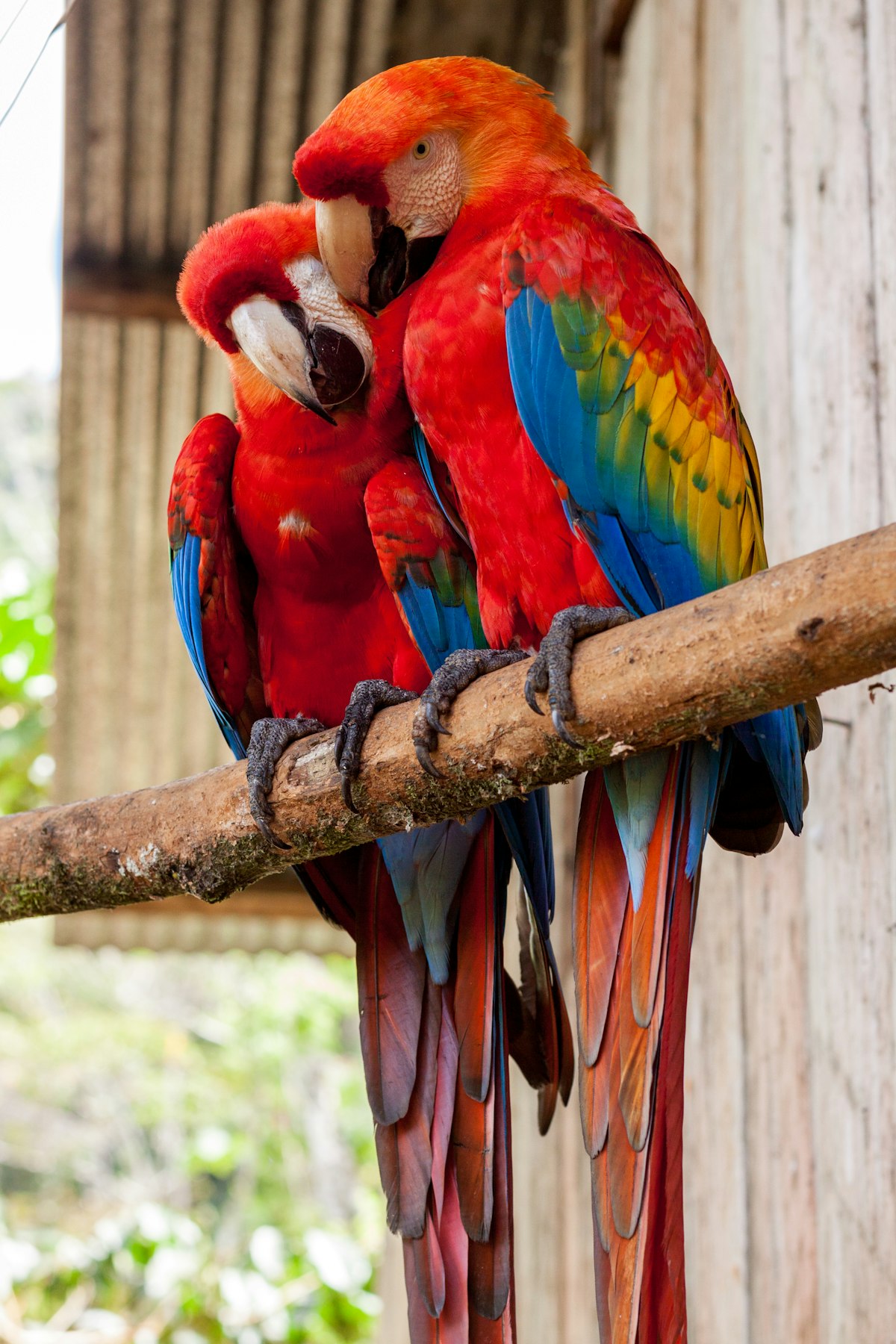
Preparing your Eclectus parrot for boarding at Avian Haven Richmond Hill

Pricing

Eclectus boarding is priced under our XL bird tier, reflecting the additional time and cost of daily fresh-food preparation. All rates include species-appropriate meals, feather health monitoring, enrichment, cage cleaning, and photo updates.

$30
Per Day
$185
Per Week
See Full Pricing

Eclectus Boarding FAQ

What do you feed Eclectus parrots during boarding?

Eclectus parrots have unusually long digestive tracts that make them highly sensitive to artificial additives. We feed a diet built primarily around fresh foods — dark leafy greens, carrots, sweet potato, squash, broccoli, pomegranate, papaya, mango, and other whole fruits and vegetables. We avoid pellets that contain artificial colours, flavours, or synthetic vitamins, as these can cause serious health issues including toe-tapping and wing-flipping. If your Eclectus eats a specific natural pellet brand, we are happy to continue that during boarding.

What is toe-tapping and wing-flipping in Eclectus parrots?

Toe-tapping and wing-flipping are involuntary muscle movements unique to Eclectus parrots. These are NOT behavioural problems — they are neurological symptoms of vitamin toxicity, most commonly caused by excessive synthetic vitamins, artificial colours, or preservatives in commercial pellets. If we observe these signs during boarding, we immediately review the diet, eliminate any potential triggers, and notify you. These symptoms typically resolve once the offending substance is removed from the diet.

Do you board both male and female Eclectus parrots?

Yes, we board both male and female Eclectus parrots. Eclectus are one of the most sexually dimorphic parrot species — males are bright emerald green with candy-corn beaks, while females are brilliant red and purple with black beaks. Despite looking like entirely different species, both genders have the same dietary sensitivities and care requirements. We are experienced with both and adjust handling based on individual temperament rather than gender.

How do you prevent feather destruction in boarded Eclectus parrots?

Feather destruction in Eclectus parrots is almost always diet-related rather than behavioural. The primary cause is vitamin toxicity from artificial supplements, synthetic vitamins in pellets, or foods with added colourants. During boarding, we maintain a strict fresh-food diet free from artificial additives, monitor feather condition daily, and photograph any changes. We also ensure a calm, low-stress environment — Eclectus are sensitive to chaos and overstimulation, which can contribute to feather issues.

Are Eclectus parrots noisy during boarding?

Eclectus parrots are generally quieter and calmer than cockatoos, macaws, or conures. They tend to vocalize at moderate levels and are less prone to prolonged screaming. However, they can become vocal when stressed by a chaotic environment or when housed near louder, more excitable species. We house Eclectus in calmer areas of our facility, away from the most vocal birds, to match their preference for a low-stimulation environment.

How much does Eclectus boarding cost?

Eclectus boarding is priced at $30 per day or $185 per week under our XL bird tier. This rate reflects the additional time and cost involved in preparing fresh-food-heavy diets that Eclectus parrots require. All rates include species-appropriate meals, feather health monitoring, enrichment, cage cleaning, and daily photo updates. Contact us for a personalized quote based on your Eclectus's specific needs and the length of their stay.

Related Species Guides

View All Species

Book Eclectus Boarding

Your Eclectus deserves boarding that understands their unique dietary needs and gentle temperament. Contact us to discuss your bird's diet, health history, and schedule their stay.

Get a Quote View All Species