
Amazon Parrot Boarding in Richmond Hill

Amazon parrots are charismatic, vocal, and strong-willed — the life of any room they are in. They are also among the most misunderstood companion parrots, particularly during hormonal seasons when their behaviour can shift dramatically. Boarding an Amazon requires handlers who know when to engage and when to respect boundaries.
Why Amazons Need Expert Boarding

Amazon parrots are not aggressive birds — they are expressive ones. The problem is that most people cannot read what they are expressing. An Amazon with pinning eyes and a fanned tail is giving you a clear warning, and a handler who ignores that warning gets bitten. A handler who heeds it earns the bird's trust.

At Avian Haven, our team understands Amazon body language fluently. We know the difference between excitement pinning and aggression pinning. We recognize the subtle posture shift that means a hormonal Amazon is about to lunge. And we know that many Amazon "behaviour problems" are actually diet-related — an overweight Amazon on a seed-heavy diet is a cranky, lethargic Amazon.

  • Experienced handlers trained in Amazon body language
  • Hormonal season management with reduced daylight protocol
  • Low-fat, high-vegetable diet to prevent obesity
  • Daily vocal interaction — singing, talking, music
  • Foraging enrichment and out-of-cage exercise
  • Weight monitoring throughout the stay
  • Daily photo and video updates for owners
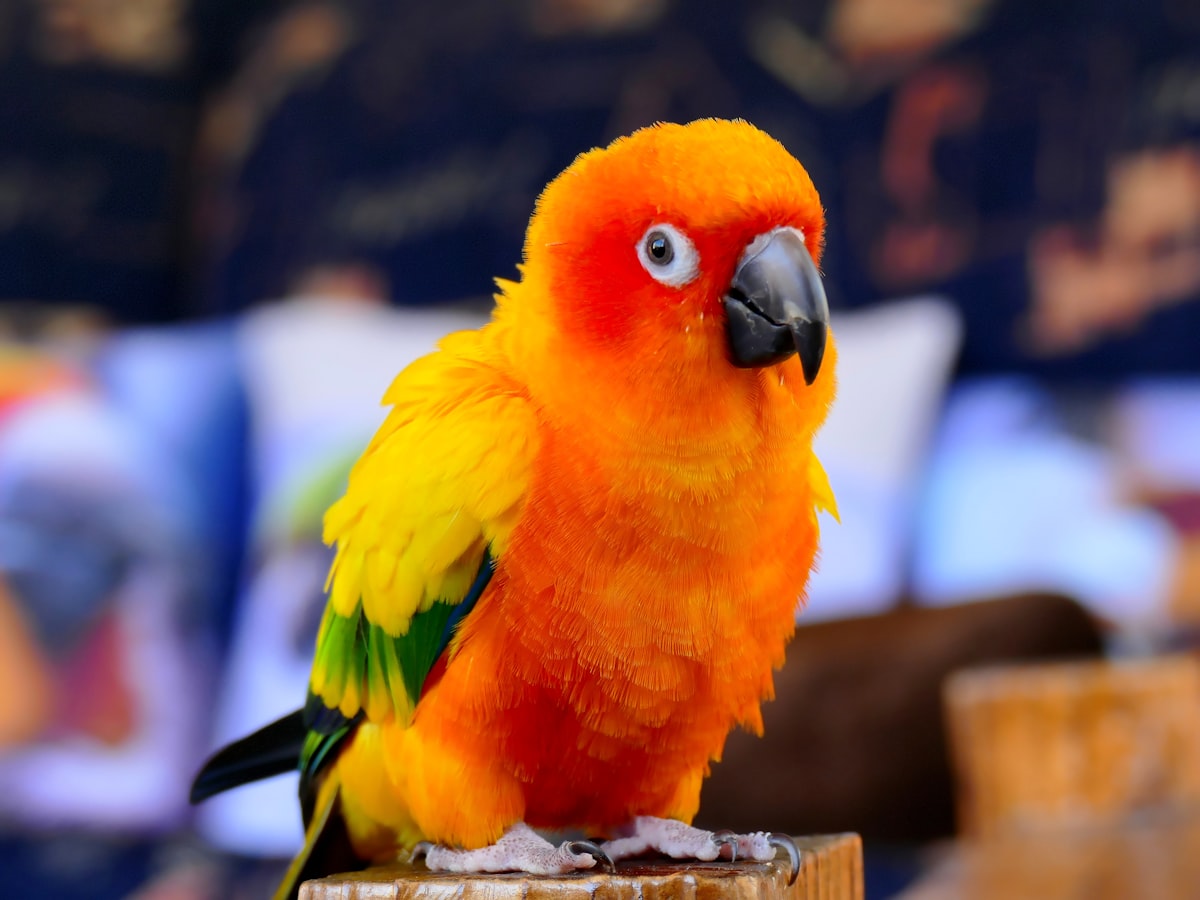
Amazon parrot receiving attentive care during boarding at Avian Haven Richmond Hill

Our Amazon Parrot Care Plan

Every boarded Amazon receives an individualized care routine built around six critical areas that determine their wellbeing.

Body Language Literacy

Amazons communicate constantly through body language, and missing their signals leads to bites, stress, and broken trust. Our handlers read Amazons in real time: pinning eyes that signal excitement or warning, fanned tails that mean territorial defence, raised nape feathers that precede a lunge, the slow head bob that indicates happiness, and the beak grinding that means contentment. This literacy is not optional — it is the foundation of safe, positive Amazon handling.

Obesity Prevention Diet

Amazons are among the most obesity-prone parrot species. In captivity, a sedentary Amazon on a seed-heavy diet will gain weight rapidly, leading to fatty liver disease, lethargy, hormonal issues, and shortened lifespan. We follow a strict low-fat protocol: high-quality pellets as the dietary base, large portions of fresh vegetables — leafy greens, peppers, broccoli, green beans, carrots — and limited fruit. Chili peppers are encouraged as a favourite treat with excellent nutritional value. Nuts and seeds are training rewards only.

Hormonal Season Management

Amazon parrots go through hormonal periods — typically in spring — that can transform a gentle, talkative bird into an unpredictable one. This is natural and temporary, not a behaviour problem. During hormonal boarding, we reduce daylight to 10-12 hours to dampen hormonal triggers, remove nesting materials, avoid back-stroking and other contact that stimulates breeding behaviour, and use calm, predictable handling. We communicate with you about hormonal status and adjust care accordingly.

Vocal Enrichment

Amazons are among the best talkers and singers in the parrot world, and many genuinely enjoy performing. We provide daily vocal interaction — talking, singing, responding to their vocalisations, and playing music they enjoy. Many Amazons have favourite songs, phrases, or sounds that we learn from you and incorporate into their daily routine. Vocal engagement is not just entertainment — it is critical mental stimulation for a cognitively demanding species.

Exercise & Activity

A sedentary Amazon is an unhealthy Amazon. We provide daily out-of-cage time with climbing opportunities, foraging activities that require physical movement, and interactive play sessions. Enrichment is designed to encourage activity: foraging puzzles placed at different levels, foot toys that require manipulation, and climbing structures that promote wing-flapping and leg exercise. The goal is to keep your Amazon at a healthy weight and mentally engaged throughout their stay.

Health & Weight Monitoring

Amazons hide illness well, so daily health monitoring is essential. We track weight trends, droppings, feather condition, appetite, and activity levels. Weight is particularly important for Amazons — we weigh regularly and compare against their baseline. Changes in vocalization patterns, appetite, or activity level trigger closer observation. Any concern prompts an immediate veterinary consultation with your avian vet or our local referral network.

Managing Amazon Hormonal Behaviour

Hormonal Amazon parrots are the number one reason inexperienced boarders get injured and birds get stressed. Here is how we handle it professionally.

Our Hormonal Amazon Protocol

  • Daylight management — we limit light exposure to 10-12 hours to reduce hormonal triggers, covering enclosures at a consistent time each evening
  • No stimulating contact — we avoid stroking the back, wings, or under-tail area, which stimulates breeding behaviour; head and neck scratches only, when the bird invites them
  • Nesting prevention — all potential nesting materials and enclosed spaces are removed from the enclosure
  • Boundary respect — during peak hormonal periods, we follow the bird's cues and do not force handling; many hormonal Amazons prefer to be left alone at certain times of day
  • Redirect with enrichment — increased foraging challenges and physical activity help redirect hormonal energy
  • Consistent routine — unpredictability escalates hormonal aggression; we maintain identical daily schedules throughout the stay
  • Clear communication — we inform you before boarding if your Amazon is showing hormonal signs and discuss adjusted handling approaches

If your Amazon has a history of seasonal aggression, please let us know at booking so we can plan accordingly. Hormonal periods are natural — not a reason to avoid boarding.

Amazon Parrot Varieties We Care For

We board all Amazon parrot species. Each has distinct personality traits and care considerations we account for.

Double Yellow-Headed Amazons

Among the most sought-after and most challenging Amazon species. Double Yellow Heads are exceptional talkers and singers with enormous personalities. They are also among the most hormonal Amazons, with intense seasonal aggression that can catch inexperienced handlers off guard. During boarding, we assign our most experienced Amazon handlers to DYH Amazons and follow strict hormonal management protocols during spring months. Their vocal abilities mean they are also among the loudest boarders.

Blue-Fronted Amazons

Outgoing, playful, and generally good-natured. Blue-fronted Amazons are one of the most popular Amazon species in Canada and tend to be somewhat less hormonal than Double Yellow Heads, though every individual is different. They are excellent talkers and enjoy interactive play. During boarding, Blue-fronts typically settle in well and respond positively to vocal engagement and foraging challenges. Their social nature means they benefit from regular handler interaction.

Lilac-Crowned Amazons

Quieter, gentler, and more reserved than many Amazon species. Lilac-crowned Amazons can be shy with unfamiliar handlers and may take longer to warm up during boarding. They are less prone to hormonal aggression but more prone to stress in new environments. We give Lilac-crowned Amazons extra time to adjust, keep their environment calm and predictable, and build trust gradually through consistent, gentle interaction.

Yellow-Naped Amazons

Brilliant talkers and singers — Yellow Napes are arguably the best vocalists in the Amazon family. They are also intensely hormonal during breeding season, rivalling Double Yellow Heads in seasonal aggression. Yellow Napes can switch from charming and affectionate to aggressively territorial in seconds during hormonal periods. Our handlers know to watch for the rapid mood shifts and respond with patience and appropriate distance. Outside hormonal season, they are engaging, entertaining birds that love interaction.

White-Fronted (Spectacled) Amazons

The smallest commonly kept Amazon species and often more manageable than their larger cousins. White-fronted Amazons are active, curious, and generally less prone to severe hormonal aggression. They are one of the few Amazon species where males and females can be visually distinguished (males have red wing feathers). During boarding, White-fronts are typically easy keepers that appreciate interaction and enrichment without the intensity of larger Amazons.

Red-Lored & Mealy Amazons

Red-lored Amazons are cheerful and less prone to dramatic mood swings than some species, making them pleasant boarders. Mealy Amazons are the largest Amazon species and among the most gentle — often described as the "gentle giants" of the Amazon world. Both species still require experienced handling and the same diet and enrichment protocols as all Amazons, but their generally calmer dispositions make boarding transitions smoother.

What to Bring for Your Amazon's Stay

Amazons are creatures of habit and benefit from familiar elements during boarding. Here is what helps make their transition smooth.

  • Their regular food — pellet brand, any specific fresh food preferences, and treat favourites (especially if they love chili peppers)
  • Favourite toys — especially foot toys, foraging puzzles, or comfort items they are attached to
  • Care instructions — daily routine, bedtime ritual, favourite songs or phrases, hormonal triggers, known food preferences
  • Behavioural notes — how they signal discomfort, known triggers for aggression, preferred interaction style, and how they respond to strangers
  • Music preferences — if your Amazon has favourite songs, playlists, or genres, share them with us
  • Vet contact — your avian vet's name and phone number for emergencies
  • Medication — if applicable, with clear dosing instructions and schedule

We provide appropriately sized enclosures for Amazons. If you prefer to bring your own cage, that is welcome — familiar surroundings help Amazons settle faster.

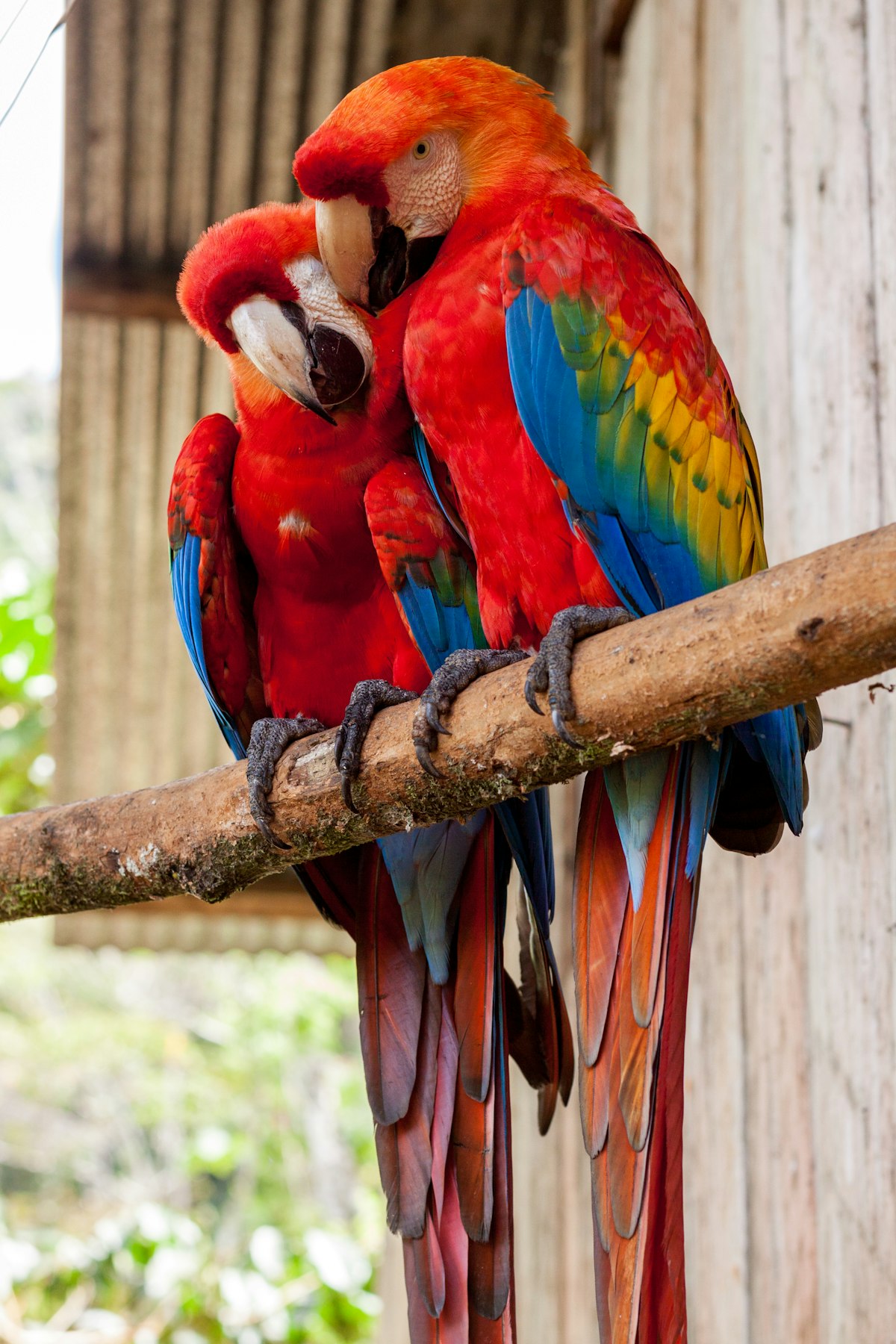
Preparing your Amazon parrot for boarding at Avian Haven Richmond Hill

Pricing

Amazon parrot boarding is priced the same as all companion bird species. All rates include food, enrichment, daily health monitoring, weight tracking, cage cleaning, and photo updates.

$25
Daily Sitting
$155
Weekly Boarding
$600
Monthly Boarding (7+ days)
See Full Pricing

Amazon Parrot Boarding FAQ

How do you handle Amazon parrot hormonal aggression during boarding?

Amazon parrots go through hormonal seasons — typically spring and sometimes autumn — during which they can become unpredictable and aggressive, even toward trusted handlers. Our team is trained to read Amazon body language during hormonal periods: pinning eyes, fanned tail, raised nape feathers, and the characteristic lunge. We minimize triggers by reducing daylight exposure to 10-12 hours, removing nesting materials, avoiding physical contact that stimulates hormonal behaviour, and using calm, predictable handling techniques. We never punish hormonal behaviour — it is natural and temporary.

What diet do Amazon parrots receive during boarding?

Amazons are highly prone to obesity and fatty liver disease, so diet management is one of our top priorities. We provide a high-quality pellet base supplemented with generous portions of fresh vegetables — leafy greens, peppers, green beans, broccoli, carrots, and sweet potato. Fruits are limited due to sugar content. Nuts and seeds, especially sunflower seeds, are used only as occasional training rewards. Chili peppers are a favourite Amazon treat that we offer regularly — they provide excellent nutrition and most Amazons love them. We follow your specific dietary instructions and monitor weight throughout the stay.

Are Amazon parrots loud during boarding?

Amazons are vocal parrots — some species more than others. Double Yellow Heads and Yellow Napes are among the loudest, while Lilac-crowned and White-fronted Amazons tend to be quieter. We never suppress or punish vocalization. Amazons use their voice to communicate, and contact calls at dawn and dusk are completely normal. We position Amazon enclosures in areas where their volume will not stress quieter species, and we provide vocal interaction throughout the day — many Amazons love singing, talking, and responding to music.

Can you handle an Amazon parrot that bites?

Yes. Amazon parrots have strong beaks and can deliver a serious bite, particularly during hormonal seasons or when they feel their boundaries are being violated. Our handlers are experienced with Amazons and know how to read the warning signs — pinning eyes, tail fanning, raised feathers — that precede a bite. We use positive reinforcement, respect the bird's boundaries, and never force handling. For Amazons with known aggression issues, we adapt our approach and communicate openly with you about what techniques work best for your bird.

How do you keep Amazon parrots active during boarding?

Exercise is critical for Amazons because they are prone to weight gain. We provide daily out-of-cage time with climbing opportunities, foraging activities that require physical movement, and interactive play sessions. Enrichment includes foraging puzzles, chewable toys, and objects they can manipulate with their feet and beaks. We also encourage vocal interaction — singing, talking, and responding to music — which Amazons find mentally stimulating. The goal is to keep them as active as they would be in a well-managed home environment.

What enrichment do Amazon parrots get during boarding?

Amazons are intelligent, active parrots that need both mental and physical stimulation. We provide foraging puzzles that make them work for food, chewable wooden toys, foot toys they can manipulate, and interactive play sessions with handlers. Many Amazons are vocal and enjoy music — we incorporate singing, talking, and audio enrichment into their daily routine. Toys are rotated to prevent boredom, and we adjust enrichment based on each bird's personality and preferences. During hormonal seasons, we increase enrichment to redirect energy.

Related Species Guides

View All Species

Book Amazon Parrot Boarding

Your Amazon deserves a boarding experience with handlers who understand their personality, their body language, and their unique needs. Contact us to discuss your bird's care plan.

Get a Quote View All Species