
Indian Ringneck Parakeet Boarding in Richmond Hill

Indian Ringnecks are among the most intelligent and striking parakeets in aviculture — known for their crystal-clear talking ability, independent personalities, and those unmistakable long tail feathers. Whether your ringneck is a chatty companion or a cautious observer still warming up to people, our boarding service is designed around their unique temperament, physical needs, and behavioural patterns.
Why Ringnecks Need Specialized Care

Indian Ringneck Parakeets are not beginner birds, and they should never be boarded by someone unfamiliar with the species. Ringnecks are highly intelligent but can be aloof and distrustful with strangers. Unlike conures or cockatiels that often warm up immediately, ringnecks frequently withdraw in unfamiliar environments and may refuse food, become silent, or sit motionless on the perch for the first day or two. An inexperienced handler might mistake this for illness rather than normal acclimation behaviour.

At Avian Haven, we understand the ringneck temperament. We know that trust is earned slowly and lost quickly with these birds. Our handlers are trained to read ringneck body language — the slow head bob that signals curiosity, the eye pinning that precedes excitement or aggression, the tail flaring that indicates irritation, and the soft beak grinding that means your bird feels safe enough to rest. We have successfully boarded ringnecks through bluffing phases, hormonal seasons, and first-time-away-from-home anxiety.

  • Gradual trust-building with experienced ringneck handlers
  • Enclosures sized for long tail feather accommodation
  • Talking and vocalization enrichment to maintain vocabulary
  • Bluffing phase management with positive reinforcement
  • Hormonal season protocols to reduce breeding-related stress
  • Daily photo and video updates to owners
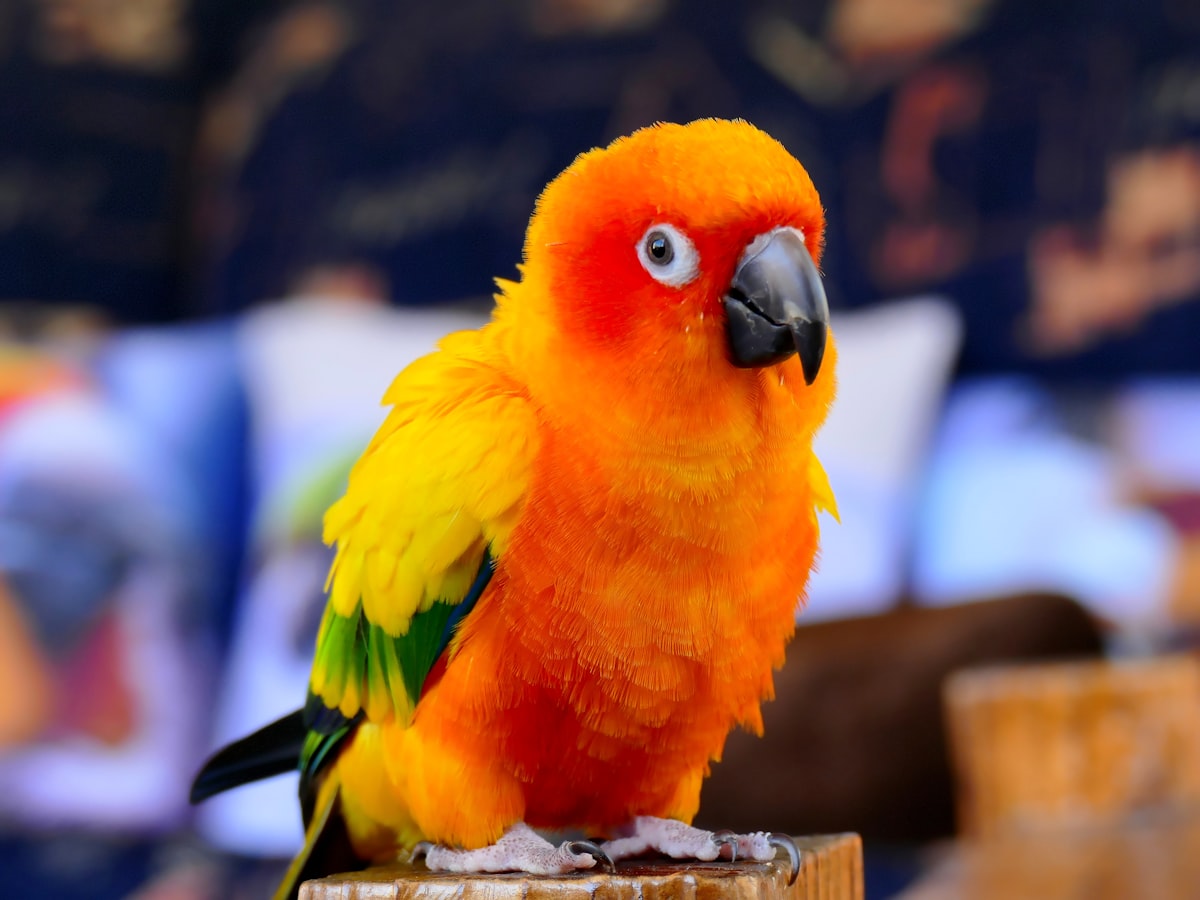
Indian Ringneck Parakeet receiving specialized care during boarding at Avian Haven Richmond Hill

Our Ringneck Care Plan

Every boarded ringneck receives a tailored care routine designed around the six pillars of ringneck wellness.

Talking & Vocalization Enrichment

Indian Ringnecks are one of the best talking parrot species, capable of speaking in full sentences with remarkable clarity. A ringneck that stops hearing language regularly may become quieter over time. During boarding, our handlers actively speak to your bird using words and phrases you provide, maintain verbal engagement throughout the day, and can play audio recordings of your voice if supplied. We have seen ringnecks pick up new words during their stay — including the names of our team members.

Hormonal Season Management

Spring is hormonal season for ringnecks, and it brings predictable behavioural shifts — increased territorial aggression, cage guarding, nesting behaviour in females, and heightened nippiness in both sexes. We manage hormonal ringnecks by controlling photoperiod to 10-12 hours of light, removing enclosed spaces and nesting material from the cage, avoiding warm soft foods that mimic crop-feeding, and restricting touch to the head only. These evidence-based protocols reduce hormonal intensity without medication.

Diet & Nutrition

We follow your established feeding routine and ensure species-appropriate nutrition. A balanced ringneck diet centres on high-quality pellets, supplemented with fresh vegetable chop — dark leafy greens, shredded carrots, bell peppers, broccoli, and sweet potato. Fruits are offered in moderation due to sugar content. Sprouted seeds such as mung beans, lentils, and sunflower provide live nutrition. We strictly avoid avocado, chocolate, caffeine, onion, garlic, and high-salt processed foods. Portions are adjusted based on your bird's weight checks.

Flight & Exercise

Ringnecks are strong, agile flyers built for sustained flight in the wild. Clipped or flighted, they need daily physical activity to maintain muscle tone, cardiovascular health, and mental wellbeing. We provide supervised out-of-cage sessions in a bird-safe room where flighted ringnecks can fly laps, and clipped birds can climb, forage on play gyms, and explore enrichment stations. Exercise sessions also serve as bonding time, helping your ringneck associate our space with positive experiences.

Feather & Tail Care

The Indian Ringneck's defining feature is its long, graduated tail — the central feathers can reach 7 to 12 inches in mature birds. Damaged or broken tail feathers take months to regrow through a full moult cycle. We house ringnecks in cages wide and tall enough that tail feathers never contact the bars during normal movement. Perches are positioned to allow clearance below, and we avoid cage grates that can catch and fray delicate feather tips. Misting baths are offered regularly to maintain feather condition and hydration.

Socialization & Trust Training

Ringnecks bond deeply with their primary person and can be suspicious of everyone else. Boarding is inherently stressful for a one-person bird, and pushing interaction too fast will backfire. We use a graduated approach: day one is observation only with treats offered through bars; day two introduces calm verbal engagement; by day three, most ringnecks begin approaching the cage door voluntarily. For birds in the bluffing phase, we respect boundaries entirely and focus on proximity-based trust rather than physical handling.

Ringneck Varieties We Board

We board all species within the Psittacula genus and their close relatives. Each has distinct temperament traits and care considerations that our team is equipped to handle.

Indian Ringneck Parakeet

The most commonly kept Psittacula species, available in a stunning range of colour mutations — wild-type green, blue, lutino (bright yellow), albino, turquoise, violet, grey-green, cinnamon, and lacewing. Males develop the signature black and rose neck ring at sexual maturity around 2-3 years. Indian Ringnecks are prolific talkers, highly trainable, and typically 16 inches from head to tail tip. Each colour mutation shares the same care requirements, though lutino and albino birds may be slightly more sensitive to bright light.

African Ringneck Parakeet

Smaller and more compact than their Indian cousins, African Ringnecks average 11-13 inches in length. They are generally quieter and somewhat shyer, with a more subtle personality. African Ringnecks can be excellent talkers but tend to have softer voices. During boarding, we provide a calmer environment for African Ringnecks, as they can become stressed more easily than the bolder Indian variety. They share the same dietary needs and bluffing phase tendencies.

Alexandrine Parakeet

The largest of the ringneck family at 22-25 inches, Alexandrines are gentle giants with powerful beaks and a calm, steady temperament. They require significantly larger enclosures than Indian Ringnecks — we use our largest cages with extra perching options for Alexandrines. Their tails are even longer proportionally, demanding careful cage sizing. Alexandrines are excellent talkers and tend to be less nippy than Indian Ringnecks, but their bites carry considerably more force when they do occur.

Plum-headed Parakeet

Named for the male's striking plum-coloured head, these medium-sized parakeets are quieter and more gentle than Indian Ringnecks. Plum-heads are often described as the most easygoing Psittacula species — less prone to bluffing, less nippy, and more tolerant of new environments. They still benefit from the same graduated trust-building approach during boarding, but typically acclimate faster. Their diet and exercise needs mirror those of the Indian Ringneck.

Derbyan Parakeet

One of the rarest Psittacula species in captivity, Derbyans are large parakeets at 18-20 inches with a distinctive purple-blue chest and black moustachial stripe. They are intelligent and curious but can be initially standoffish during boarding. Derbyans have powerful beaks suited for cracking harder seeds and nuts, so we provide enrichment that includes foraging challenges with walnuts, almonds, and puzzle feeders. They respond well to routine and consistency during their stay.

Moustached Parakeet

Also known as the Red-breasted Parakeet, this medium-sized Psittacula species averages 13-15 inches and is known for being more social and less temperamental than Indian Ringnecks. Moustached Parakeets are moderate talkers with a pleasant vocal quality. They tend to adjust to boarding environments relatively quickly, though they can become cage-territorial during hormonal season. We apply the same light-management and boundary-respect protocols used for all ringneck-family birds during breeding season.

The Bluffing Phase — What Every Ringneck Owner Should Know

The bluffing phase is the single most common reason Indian Ringnecks are surrendered or rehomed. Understanding it — and knowing how to navigate it during boarding — is essential to responsible ringneck care.

How We Handle Bluffing Ringnecks

Between approximately 1 and 3 years of age, many Indian Ringnecks go through a dramatic behavioural regression called "bluffing." A previously sweet, handleable bird may suddenly begin biting hard, lunging at hands, hissing, and refusing all physical contact. This is not aggression — it is a normal developmental phase similar to adolescence in mammals. The bird is testing boundaries, establishing independence, and experiencing hormonal shifts for the first time.

  • No forced handling — we never chase, grab, or restrain a bluffing ringneck, as this destroys trust and extends the phase
  • Proximity over contact — handlers sit near the cage reading or working, letting the bird observe that humans are non-threatening
  • Treat-based engagement — high-value treats offered through bars to maintain positive human association without requiring step-up
  • Consistent routine — predictable feeding, cleaning, and enrichment schedules help the bird feel secure in a new environment
  • Owner communication — we report daily on your bird's bluffing behaviour so you can track progression and adjust your approach at home

If your ringneck is currently in the bluffing phase, please tell us at booking. We will assign your bird to a handler experienced with bluffing-age ringnecks and tailor the care plan accordingly.

Pricing

Indian Ringneck Parakeets and their relatives are classified as large birds for boarding purposes due to their cage size requirements and long tail accommodation needs. All rates include food, enrichment, daily health monitoring, cage cleaning, and photo updates.

$25
Per Day
$155
Weekly (7 days)
See Full Pricing

Ringneck Boarding FAQ

How do you handle a ringneck going through the bluffing phase during boarding?

The bluffing phase is a normal adolescent behavioural regression in Indian Ringnecks, typically occurring between 1 and 3 years of age. During this period, a previously tame ringneck may bite, lunge, hiss, or refuse handling entirely. Our handlers are experienced with bluffing ringnecks and never force interaction. We maintain trust through calm presence, treat-based positive reinforcement, and respecting the bird's boundaries. Consistent, patient handling during boarding ensures we do not set back the progress you have made at home.

Will my ringneck forget how to talk while being boarded?

Indian Ringnecks are exceptional talkers, and a short boarding stay will not cause them to lose their vocabulary. However, ringnecks learn through repetition and environmental cues, so we actively engage with talking ringnecks during their stay. Our handlers will use words and phrases you provide to us, speak clearly and frequently around your bird, and play audio enrichment if requested. Many owners report their ringneck returns home with new words picked up during boarding.

What size cage do you use for ringneck parakeets?

Indian Ringnecks have long, elegant tail feathers that can measure 7 to 12 inches, and they need enclosures tall and wide enough to prevent tail damage. We use cages that are a minimum of 24 inches wide by 24 inches deep by 36 inches tall, with bar spacing of no more than 3/4 inch. The cage dimensions allow your ringneck to turn, climb, and move freely without bending or fraying tail feathers against the bars.

How do you manage ringneck hormonal behaviour during spring boarding?

Spring triggers hormonal behaviour in ringnecks, including increased aggression, territorial cage guarding, nesting behaviour in females, and regurgitation. We manage this by limiting daylight exposure to 10-12 hours, removing any nesting materials or enclosed spaces from the cage, avoiding warm and mushy foods that mimic regurgitated feeding, and minimizing petting along the back and under wings which stimulates breeding behaviour. Our handlers adjust interaction style during hormonal periods to keep your ringneck comfortable without reinforcing breeding triggers.

My ringneck is shy around strangers — will it be stressed during boarding?

Indian Ringnecks are known for being cautious around unfamiliar people, and it is completely normal for a ringneck to become withdrawn or wary during the first 24 to 48 hours of boarding. We give new arrivals space and time to acclimate without pressure. Our handlers sit quietly near the cage, speak softly, and offer favourite treats through the bars before attempting any direct interaction. Most ringnecks begin showing curiosity and engagement by the second or third day once they recognise the routine and feel safe.

What do you feed ringneck parakeets during boarding?

We follow your established diet and supplement with species-appropriate nutrition. A balanced ringneck diet includes high-quality pellets as the foundation, supplemented with fresh vegetable chop — dark leafy greens, carrots, bell peppers, broccoli, and sweet potato — along with limited fruits, and sprouted seeds such as mung beans and lentils for added nutrition. Ringnecks should never have avocado, chocolate, caffeine, or high-salt foods. We adjust portions based on your bird's weight and activity level during their stay.

Related Species Guides

View All Species

Book Ringneck Boarding

Give your ringneck the patient, knowledgeable care they deserve while you are away. Contact us to discuss your bird's personality, bluffing status, and schedule their stay.

Get a Quote View All Species