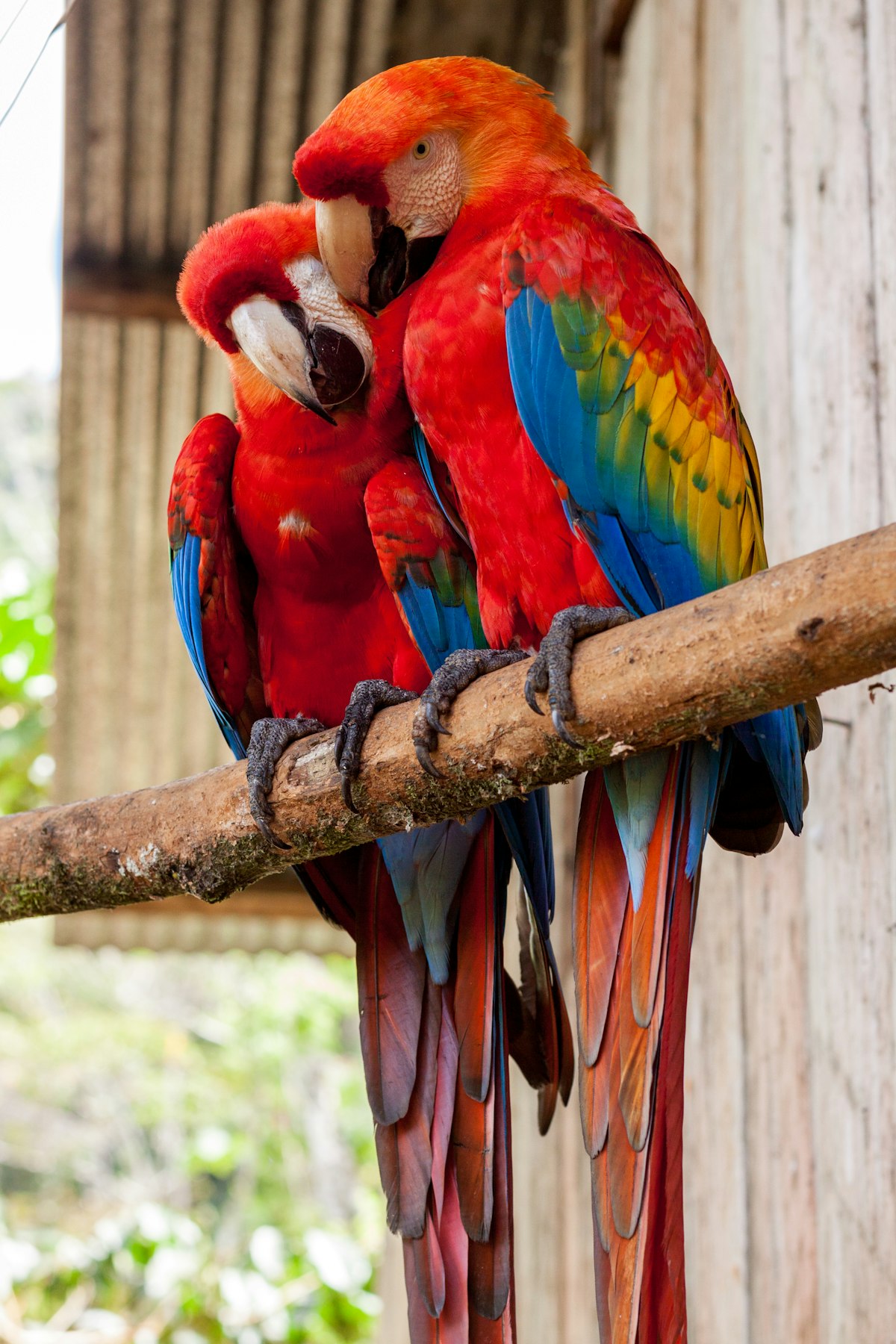
Pionus Parrot Boarding in Richmond Hill

Pionus Parrots are the hidden gem of the companion parrot world — calm, gentle, and less demanding than Amazons or Cockatoos, yet they still require knowledgeable care from handlers who understand their unique respiratory sensitivities, species-specific stress responses, and quiet temperament that must be actively preserved during boarding.

Why Pionus Parrots Need Specialized Care

Pionus Parrots are often overlooked in favour of flashier species like Amazons, African Greys, and Cockatoos. But experienced parrot owners know that Pionus are exceptional companions — sweet-natured, relatively quiet, and capable of forming deep, lasting bonds with their humans. They are the parrot you choose when you want a genuine companion rather than a performer.

The challenge with boarding a Pionus lies in their vulnerabilities. They are extremely prone to Aspergillosis, a fungal respiratory infection that can be fatal if not caught early. Air quality is not a nice-to-have for Pionus — it is the single most important factor in their boarding environment. They also exhibit a species-specific stress response — audible wheezing and panting — that sounds alarming but is perfectly normal. Inexperienced handlers who panic at this sound can escalate the bird's stress dramatically.

At Avian Haven, we understand the Pionus temperament intimately. These birds are not demanding, but they are sensitive. Their calm nature is a gift that can be permanently damaged by rough handling, loud environments, or careless exposure to airborne contaminants. We provide the quiet, clean, patient environment that allows a Pionus to feel safe — and we never mistake their gentle nature for a lack of complex needs.

  • HEPA air purification — critical Aspergillosis prevention for this highly susceptible species
  • Stress wheezing recognition — handlers trained to identify normal Pionus stress response vs. true illness
  • Quiet zone housing — Pionus kept separate from loud Cockatoos and Amazons
  • Patient trust-building — Pionus bond slowly, and we never rush the process
  • Weight monitoring — active obesity prevention with controlled portions and limited seeds
  • Gentle handling only — preserving the calm, sweet temperament that makes Pionus special
Pionus Parrot boarding at Avian Haven Richmond Hill

Our Pionus Care Plan

Every Pionus Parrot receives a personalized care plan addressing their respiratory sensitivity, stress management needs, dietary requirements, and gentle temperament preservation.

Respiratory Sensitivity

Pionus Parrots are VERY prone to Aspergillosis — a serious fungal respiratory infection caused by Aspergillus spores that thrive in damp, poorly ventilated environments. For Pionus, air quality is not optional — it is the number one priority. We run HEPA air purifiers continuously in all Pionus housing areas, perform daily cage and substrate cleaning, maintain zero tolerance for damp bedding, and ensure proper cross-ventilation at all times. We never use scented candles, aerosol sprays, non-stick cookware, or any airborne chemical near our bird areas. Every Pionus is monitored twice daily for early respiratory signs: tail bobbing, open-mouth breathing, nasal discharge, voice changes, and reduced activity.

Stress Wheezing Management

Pionus Parrots exhibit a unique species-specific stress response: audible wheezing and panting when frightened, nervous, or overexcited. This sounds alarming — like a bird in respiratory distress — but it is a completely normal physiological response, similar to how some humans hyperventilate under stress. Inexperienced handlers who panic and rush the bird to a vet can actually worsen the episode. Our handlers are trained to recognise Pionus stress wheezing, stay calm, dim the lights, speak softly, and allow the bird to settle on its own terms. We only escalate to veterinary care if wheezing is accompanied by other symptoms like tail bobbing, nasal discharge, or lethargy.

Gentle Temperament Preservation

Pionus Parrots are naturally calm, sweet, and less demanding than most parrot species — but this gentle temperament is fragile. Rough handling, loud environments, sudden movements, or aggressive interaction can permanently damage a Pionus's trust and turn a confident bird into a fearful one. Our approach is entirely bird-led: we move slowly, speak softly, offer treats before requesting step-ups, and never force interaction. If a Pionus retreats to the back of the cage, we respect that boundary. The goal of every boarding stay is to return your Pionus with their gentle temperament fully intact — or even improved through positive experiences.

Diet & Weight Management

Pionus Parrots are prone to obesity, similar to their Amazon Parrot cousins. Left unmanaged, excess weight leads to fatty liver disease, cardiovascular problems, and shortened lifespan. We maintain a strict dietary protocol: a high-quality pellet base making up 60-70% of the diet, supplemented with fresh vegetables (bell peppers, leafy greens, carrots, broccoli), limited fruit (berries and apple slices in moderation), and seeds used only as occasional training rewards. We weigh each Pionus at intake and monitor weight throughout the stay, adjusting portions if needed. We follow your bird's established diet exactly and never substitute high-fat treats.

Quiet Nature Appreciation

Pionus Parrots are among the quietest parrot species — often described as the ideal apartment bird because their vocalisations are soft, pleasant contact calls rather than the ear-splitting screams of Cockatoos or Amazons. This quiet nature is one of their greatest qualities, but it also means they are easily overwhelmed by loud environments. We house every Pionus in our dedicated quiet zone, away from high-volume species. Background sound is limited to soft music or nature sounds. We never house a Pionus next to a screaming Cockatoo or a chattering Amazon — the noise stress can cause withdrawal, food refusal, and temperament changes.

Trust-Based Handling

Pionus Parrots bond slowly but deeply. Unlike Cockatoos that may climb onto any willing hand, a Pionus evaluates new people carefully and decides on their own timeline whether to trust. This is not stubbornness — it is intelligence. We assign a single primary handler to each Pionus and allow the bird to set every pace. The handler begins with quiet presence near the cage, progresses to offering treats through the bars, and only attempts step-ups when the bird signals readiness. Most Pionus begin accepting their handler within 2-4 days. The resulting bond, while temporary, is genuine — and the positive handling experience carries forward after boarding.

Understanding Pionus Stress Wheezing

If you are new to Pionus Parrots, the first time you hear your bird wheeze can be terrifying. The bird opens its beak, pants audibly, and produces a sound that resembles asthma or severe respiratory distress. Your instinct is to rush to the emergency vet — and for most parrot species, that instinct would be correct.

But Pionus are different. Stress wheezing is a well-documented, species-normal physiological response to fear, excitement, or nervousness. It is how the Pionus body processes acute stress. The mechanism is similar to hyperventilation in humans — the body's flight-or-fight response temporarily alters breathing patterns. In most cases, the wheezing subsides within a few minutes once the stressor is removed and the bird feels safe again.

Pionus may also emit a distinctive musky or sweet odour when stressed. This scent comes from their uropygial (preen) gland and is another species-normal stress response. It is not a sign of illness.

When stress wheezing IS a concern: If wheezing is accompanied by tail bobbing at rest, nasal discharge, wet or clicking breathing sounds, lethargy, loss of appetite, or if the wheezing does not resolve within 10-15 minutes after the stressor is removed, these may indicate a genuine respiratory issue such as Aspergillosis. In these cases, veterinary attention is warranted. At Avian Haven, our handlers know this distinction and act accordingly.

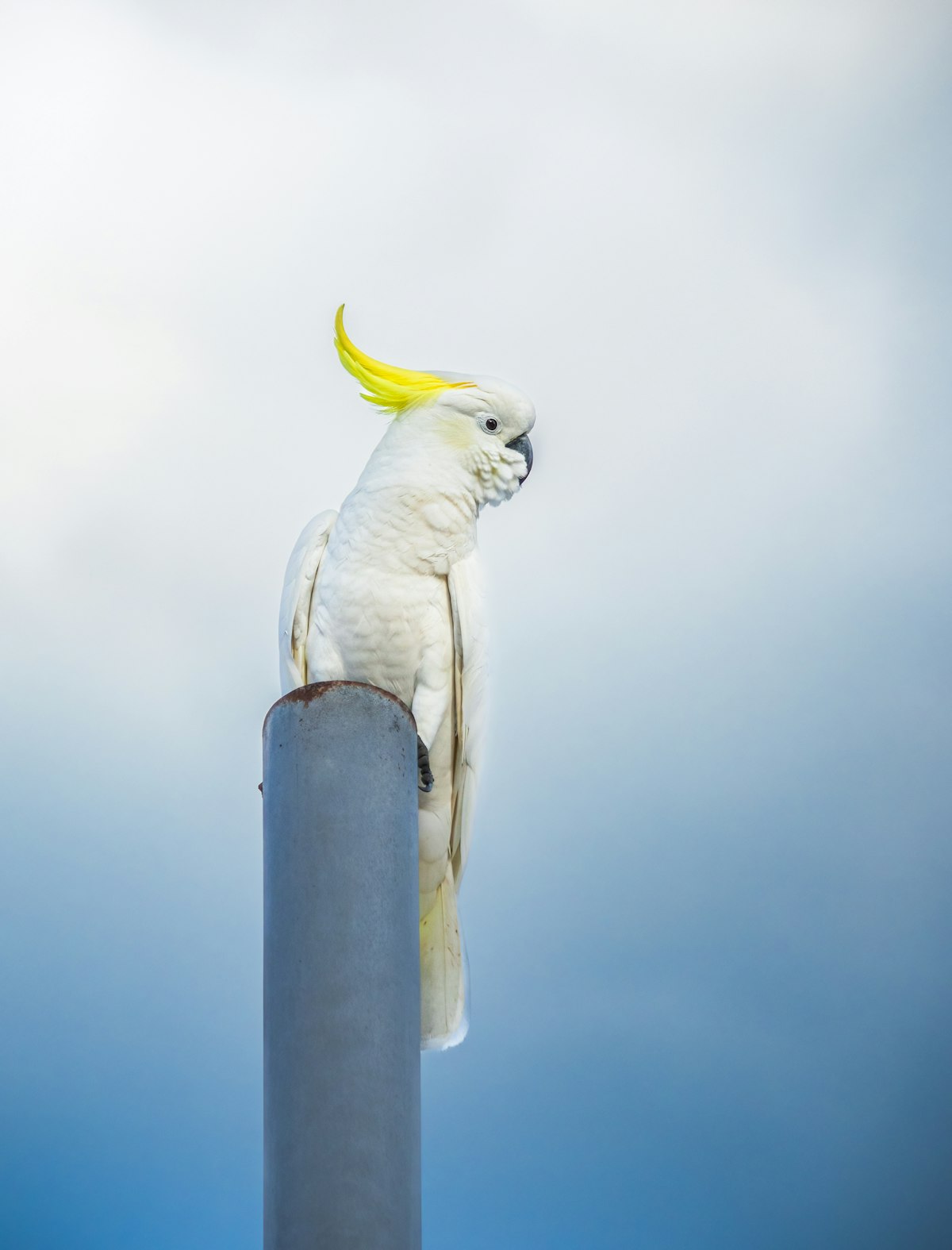
Understanding Pionus Parrot stress wheezing during boarding

Pionus Varieties We Board

Pionus Parrots come in several beautiful species, each with their own subtle personality differences. All share the same core traits: gentle temperament, quiet nature, respiratory sensitivity, and the characteristic stress wheezing response. We board all Pionus species with equal expertise.

Blue-headed Pionus

The most common Pionus in captivity and arguably the most striking. Vivid blue head and neck contrasting with green body and red undertail coverts. Known for being exceptionally gentle and one of the easiest Pionus to handle. Often the species that introduces owners to the Pionus genus. Lifespan 25-40 years.

Maximilian's Pionus

Also called the Scaly-headed Pionus for the distinctive scalloped feather pattern on the head and neck. More subtly coloured than the Blue-headed — primarily green with bronze and grey tones. Tends to be slightly more independent and less clingy than other Pionus species. Excellent talkers for the genus. Lifespan 25-40 years.

White-capped Pionus

The smallest of the commonly kept Pionus species. Green body with a distinctive white forehead patch and blue breast feathers. Often described as the most active and playful Pionus — slightly more energetic than their larger cousins while retaining the trademark gentle disposition. Lifespan 25-35 years.

Bronze-winged Pionus

A stunning species with dark plumage that reveals deep blue, bronze, and pink tones in sunlight. Slightly larger and stockier than other Pionus species. Known for being particularly calm and steady — many owners describe them as the most relaxed of all Pionus. Prone to shyness with new people. Lifespan 25-40 years.

Dusky Pionus

Named for their overall dusky brown-grey appearance with subtle blue and pink undertones. Less commonly kept than the Blue-headed or Maximilian's but prized by Pionus enthusiasts for their sweet, easygoing personality. Tends to be the most food-motivated of the Pionus species, which makes weight management especially important. Lifespan 25-35 years.

Coral-billed Pionus

The rarest Pionus in aviculture, distinguished by their coral-red beak and predominantly green plumage with blue flight feathers. Rarely seen as companion birds outside of South America. If you are fortunate enough to keep a Coral-billed Pionus, we provide the same specialised respiratory and temperament care as all Pionus species. Lifespan 25-35 years.

Pricing

Pionus Parrot boarding falls under our Large bird tier. All rates include food, enrichment, daily health monitoring, respiratory observation, weight checks, cage cleaning, and detailed photo updates.

$25
Per Day
$155
Per Week
See Full Pricing

Pionus Parrot Boarding FAQ

Why does my Pionus Parrot wheeze and pant when stressed?

Stress wheezing is a species-specific behaviour unique to Pionus Parrots. When frightened, nervous, or overexcited, Pionus emit an audible wheezing or panting sound that can alarm owners unfamiliar with the species. This is NOT a respiratory illness — it is a normal physiological stress response similar to how some humans hyperventilate under stress. Our handlers are trained to recognise Pionus stress wheezing, remain calm, reduce environmental stimuli, and allow the bird to settle naturally. If wheezing is accompanied by tail bobbing, nasal discharge, or lethargy, we treat it as a potential medical concern and contact your avian vet.

How do you protect Pionus Parrots from Aspergillosis during boarding?

Pionus Parrots are extremely susceptible to Aspergillosis, a fungal respiratory infection caused by Aspergillus spores found in damp or poorly ventilated environments. We maintain hospital-grade air quality standards: HEPA air purification running continuously, daily cage and substrate cleaning, zero tolerance for damp bedding, and cross-ventilation throughout the facility. We never use scented products, aerosols, or non-stick cookware near bird areas. We monitor every Pionus for early respiratory signs — tail bobbing, open-mouth breathing, voice changes, and reduced activity — and escalate to veterinary care immediately if any symptoms appear.

Are Pionus Parrots quieter than other parrot species?

Yes, Pionus Parrots are among the quietest parrot species, making them popular apartment birds. They produce soft, pleasant contact calls, gentle whistles, and occasional chatter rather than the piercing screams of Cockatoos or Amazons. Because of their naturally quiet disposition, Pionus are easily stressed by loud environments. We house them in our dedicated quiet zone, away from high-volume species, to preserve their calm temperament and prevent noise-induced anxiety.

How long does it take a Pionus Parrot to bond with a new handler?

Pionus Parrots bond slowly but deeply. Unlike Cockatoos that may warm up to anyone quickly, a Pionus needs time and consistency to build trust. During boarding, we assign a single primary handler and allow the bird to dictate the pace. Most Pionus begin accepting treats from their handler within 24-48 hours and may allow step-ups within 3-5 days. We never rush this process — forcing interaction with a Pionus damages their naturally trusting temperament and can cause lasting behavioural regression.

Do Pionus Parrots need special diet management during boarding?

Pionus Parrots are prone to obesity, similar to Amazon Parrots. They require active diet management: a high-quality pellet base making up 60-70% of their diet, supplemented with fresh vegetables, leafy greens, and limited fruit. Seeds and nuts should be used sparingly as training treats only. We weigh each Pionus at intake and monitor weight throughout the stay. We follow your bird's established diet precisely and never substitute high-fat foods. If your Pionus is on a weight management plan from your avian vet, we follow it exactly.

Why does my Pionus Parrot emit a musky smell when handled?

Pionus Parrots produce a distinctive musky or sweet odour, especially when stressed or excited. This is completely normal and species-specific — it is not a sign of illness. The scent comes from their uropygial (preen) gland and is thought to be a natural stress response. Our handlers are familiar with this Pionus trait and do not misinterpret it as a health concern. If your bird produces this scent frequently during boarding, we take it as a cue to reduce handling intensity and give the bird more space to decompress.

Related Species Guides

View All Species

Book Pionus Parrot Boarding

Give your Pionus the clean air, gentle handling, and quiet environment they deserve. Contact us to discuss your bird's needs, schedule a pre-boarding visit, and book their stay.

Get a Quote View All Species