
Lovebird Boarding in Richmond Hill

Lovebirds are small, colourful, and full of fierce personality. They bond deeply — to their mate, their owner, or both — and that intensity means boarding requires genuine sensitivity and species-specific knowledge that most general pet sitters simply do not have.
Why Lovebirds Need Expert Boarding

Do not let their small size fool you — lovebirds are parrots with all the complexity that implies. They are territorial, opinionated, and capable of surprising aggression when their boundaries are not respected. A handler who reaches into a lovebird's cage without understanding their body language is going to get bitten, and a stressed lovebird will tell you through feather condition, appetite, and vocalization long before the situation becomes critical.

At Avian Haven, we understand the nuances of lovebird behaviour. We know that a puffed-up lovebird near its food dish is defending territory, that beak grinding means contentment, and that a lovebird tucking material into its rump feathers is a nesting instinct — not a problem to correct. This knowledge shapes every aspect of how we care for your bird during their stay.

  • Bonded pairs always housed together in their familiar cage
  • Single-bird protocol with enhanced social interaction
  • Territorial behaviour managed by experienced handlers
  • Daily shredding materials and species-appropriate enrichment
  • Bathing options — shallow dishes and mist spray
  • Fresh food and water changed multiple times daily
  • Daily photo and video updates for owners
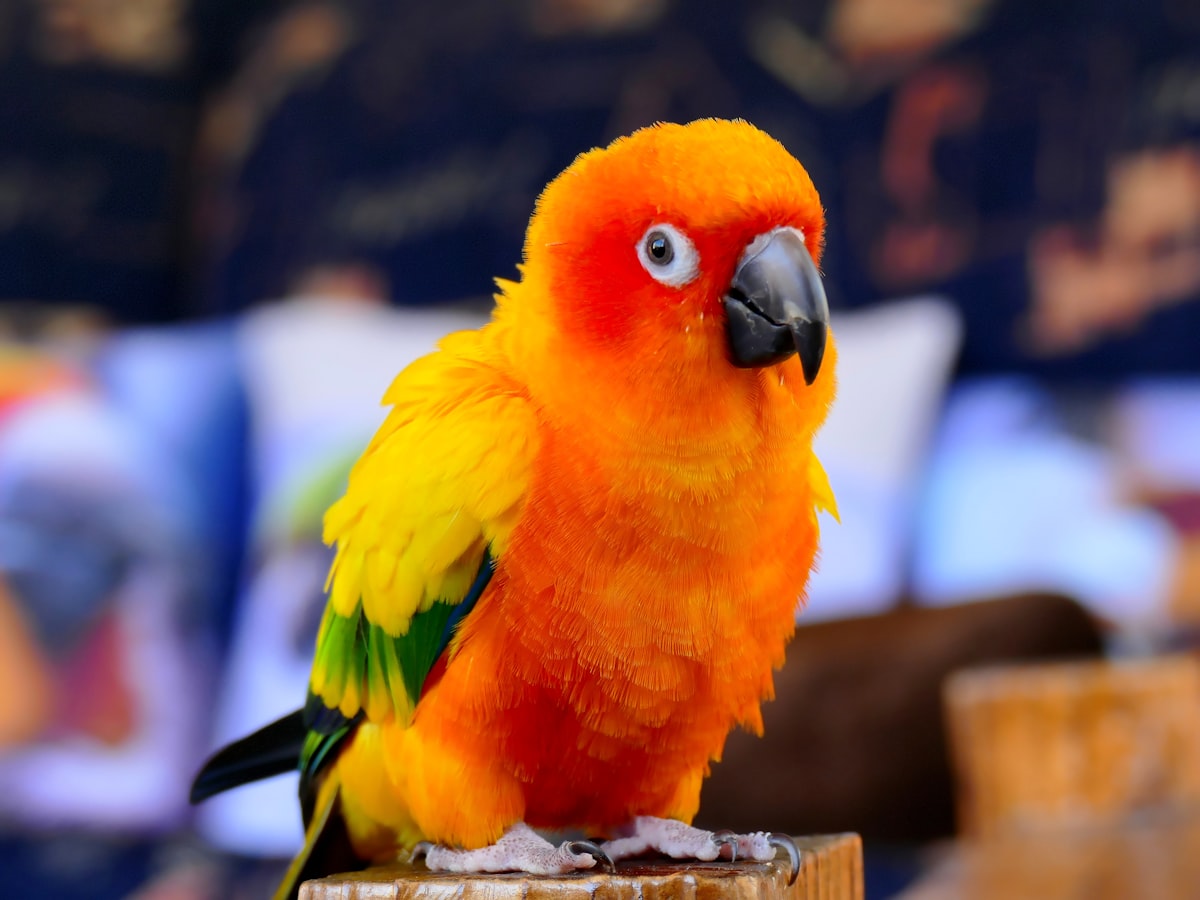
Lovebird receiving attentive care during boarding at Avian Haven Richmond Hill

Our Lovebird Care Plan

Every boarded lovebird receives an individualized care routine built around six critical areas that determine their wellbeing.

Bond-Aware Housing

Lovebirds form intense bonds — sometimes with another bird, sometimes with their owner. How we house your lovebird depends entirely on their social situation. Bonded pairs stay together in their own cage, never separated. Single lovebirds bonded to their owner receive our enhanced-interaction protocol: frequent visits, verbal engagement, and enrichment designed to keep them socially stimulated throughout the day. We never house unfamiliar lovebirds together.

Territorial Behaviour Management

Lovebirds can be fiercely protective of their cage space, food dishes, and favourite perches. This is normal and healthy — not a behaviour problem. Our handlers approach cage maintenance carefully, working slowly and talking to the bird first. We avoid sudden hand movements inside the enclosure. For particularly territorial lovebirds, we use distraction techniques during cleaning and respect the bird's boundaries at all times.

Balanced Nutrition

Lovebirds thrive on a balanced diet of high-quality pellets supplemented with a controlled amount of seed mix, daily fresh vegetables, and occasional fruit. Leafy greens, carrots, broccoli, peppers, sprouted seeds, and apple slices are staples. We follow your specific feeding instructions and adjust based on your bird's preferences. Water is changed multiple times daily because lovebirds bathe in their water bowls — a charming habit that requires vigilance.

Shredding Enrichment

If there is one defining lovebird behaviour, it is shredding. Lovebirds have an intense drive to tear, strip, and weave materials — some species tuck strips into their rump feathers as a nesting instinct. We supply daily shredding materials: untreated paper strips, palm fronds, wicker balls, soft wood sticks, and coconut fibre. This is not optional enrichment — it is a fundamental behavioural need that prevents stress and feather issues.

Bathing & Grooming

Most lovebirds enjoy bathing two to three times per week. We offer both shallow water dishes and gentle mist sprays and observe which method your lovebird prefers. Bathing keeps feathers in excellent condition and serves as natural enrichment — many lovebirds treat bath time as the highlight of their day. Nail and beak condition are monitored throughout the stay, and grooming services are available if needed.

Health Monitoring

Small birds can decline quickly, which makes daily health monitoring essential. We check weight trends, droppings, feather condition, appetite, and activity levels every day. Lovebirds are prone to hiding illness — a survival instinct from their wild origins — so we watch for subtle signs: slightly fluffed feathers, reduced vocalization, sitting low on the perch, or changes in dropping consistency. Any concern triggers an immediate veterinary consultation.

Pair vs. Single Lovebird Boarding

How we care for your lovebird depends on whether they are part of a bonded pair or a single bird bonded to you. Both require different approaches.

Bonded Pairs

  • Always housed together — never separated
  • Brought in their own familiar cage
  • Pair dynamics monitored for stress signals
  • Shared enrichment and foraging activities
  • Less handler interaction needed — they have each other
  • Multi-bird discount available for pairs

Single Lovebirds

  • Enhanced social interaction protocol
  • Frequent verbal engagement throughout the day
  • Mirror and interactive toy enrichment
  • Supervised out-of-cage time when safe
  • Extra monitoring for separation stress
  • Familiar comfort items from home encouraged

Not sure which applies? Tell us about your lovebird's social situation when you book and we will tailor the care plan accordingly.

Lovebird Varieties We Care For

We board all lovebird species. Each has slightly different temperament and care considerations.

Peach-Faced (Rosy-Faced) Lovebirds

The most common lovebird in captivity, and arguably the most colourful. Peach-faced lovebirds come in dozens of colour mutations — lutino, Dutch blue, violet, pied, and more. They are active, social, and among the most vocal lovebird species. Peach-faced lovebirds are prolific shredders and nest-builders, tucking material into their rump feathers instinctively. During boarding, we provide abundant shredding material and monitor for hormonal nesting behaviour.

Fischer's Lovebirds

Bright, cheerful, and slightly less nippy than peach-faced lovebirds on average. Fischer's lovebirds have striking green plumage with orange faces and are popular for their relatively gentle temperament. They are social flock birds that do well in pairs. Fischer's carry nesting material in their beaks rather than rump feathers, which is a charming distinction from their peach-faced cousins. They board well and adapt to new environments relatively quickly.

Masked (Yellow-Collared) Lovebirds

Masked lovebirds are bold, curious, and can be more independent than other species. They have a distinctive dark head with a bright yellow collar and are available in several mutations including blue and violet. Masked lovebirds tend to be slightly less cuddly than peach-faced varieties but are energetic and entertaining. They need ample enrichment and flying space during boarding.

Black-Cheeked & Nyasa Lovebirds

Less commonly kept than peach-faced or Fischer's, black-cheeked and Nyasa (Lilian's) lovebirds are quieter and more reserved. They are also among the most sensitive lovebird species to environmental changes, so boarding requires extra patience during the adjustment period. We provide a calm environment with minimal disruption and allow these species to settle in at their own pace.

Abyssinian (Black-Winged) Lovebirds

The largest lovebird species and among the least common in captivity. Abyssinian lovebirds are sexually dimorphic — males have striking red foreheads while females are entirely green. They are generally calmer and less nippy than smaller lovebird species but can be shy with unfamiliar handlers. During boarding, we respect their space and allow trust to build naturally.

Madagascar (Grey-Headed) Lovebirds

The smallest lovebird species and rarely kept as pets outside specialist breeders. Madagascar lovebirds are delicate, shy, and require experienced handling. If you board a Madagascar lovebird with us, we assign our most experienced small-bird handlers and provide a quiet, low-stimulation environment. Their dietary and environmental needs are specific, and we coordinate with your avian vet if needed.

What to Bring for Your Lovebird's Stay

Familiar items help lovebirds settle in faster. Here is what we recommend bringing for the smoothest possible boarding experience.

  • Their own cage — lovebirds are territorial and feel most secure in their familiar enclosure with their favourite perches and toys
  • Regular food — the pellet or seed brand they eat at home, plus any fresh food preferences
  • Favourite shredding materials — if they have a preferred paper or toy type, bring some along
  • Comfort items — a familiar blanket, sleep hut, or toy they are attached to
  • Care instructions — daily routine, bedtime schedule, handling preferences, known triggers
  • Vet contact — your avian vet's name and phone number for emergencies
  • Medication — if applicable, with clear dosing instructions

If your lovebird is part of a bonded pair, both birds must be boarded together. We do not separate bonded pairs under any circumstances.

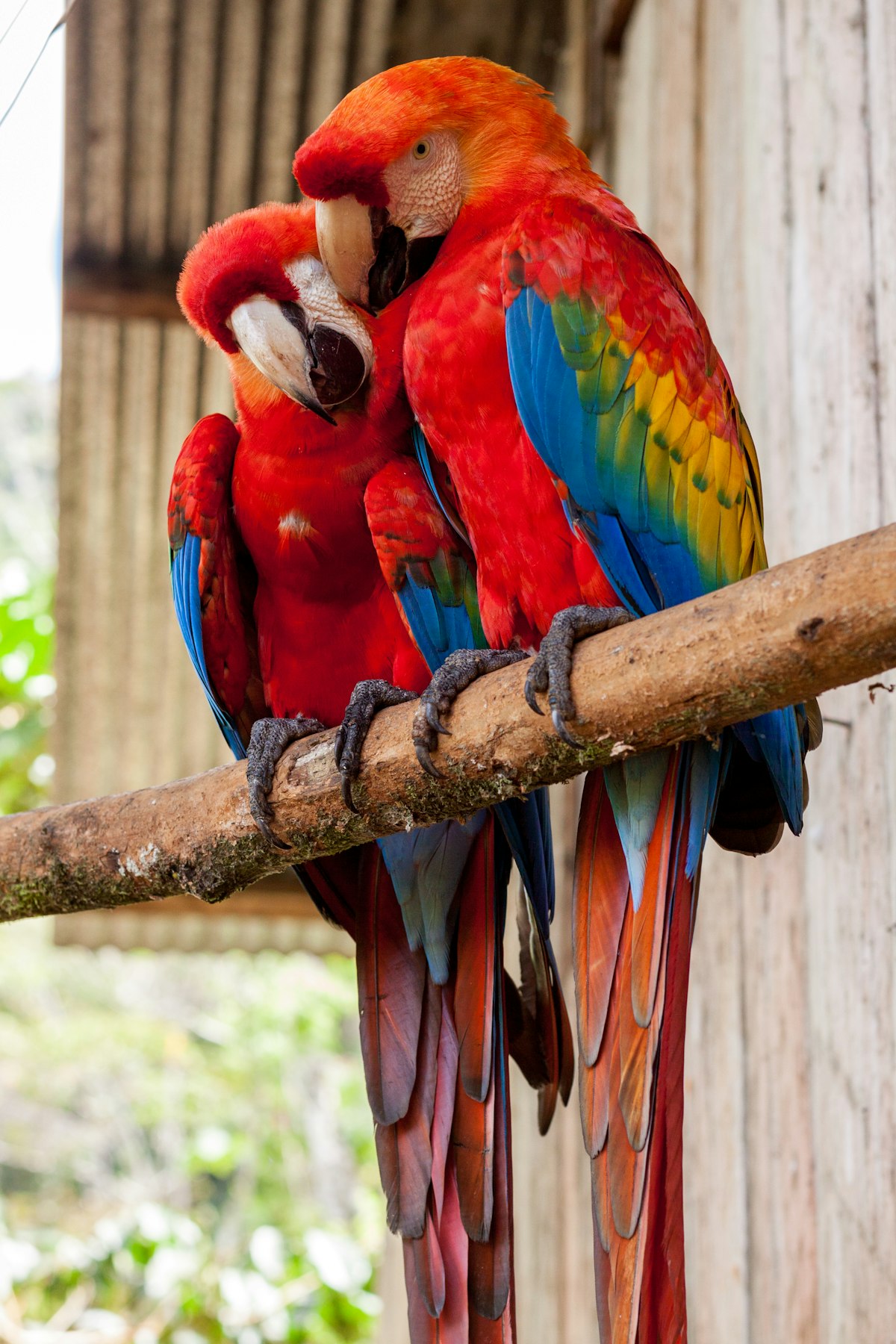
Preparing your lovebird for boarding at Avian Haven Richmond Hill

Pricing

Lovebird boarding is priced the same as all companion bird species. All rates include food, enrichment, daily health monitoring, cage cleaning, and photo updates.

$20
Daily Sitting
$125
Weekly Boarding
$480
Monthly Boarding (7+ days)
See Full Pricing

Lovebird Boarding FAQ

Should I board my lovebird alone or as a pair?

Bonded lovebird pairs should always be boarded together. Separating a bonded pair causes significant stress to both birds and can damage their bond. If you have a single lovebird that is closely bonded to you rather than another bird, they will need extra social interaction during boarding. We schedule frequent check-ins and enrichment sessions for single lovebirds to compensate for the separation from their human flock.

How do you handle lovebird territorial behaviour?

Lovebirds can be fiercely territorial about their cage space. Our handlers approach cage maintenance carefully — we work slowly, talk to the bird first, and avoid sudden hand movements inside the enclosure. For particularly territorial lovebirds, we use target training or distraction techniques during cage cleaning. We never force handling on a territorial lovebird, which only reinforces defensive behaviour.

What do lovebirds eat during boarding?

Lovebirds receive a balanced mix of high-quality pellets and a small amount of seed, supplemented with daily fresh vegetables and fruits. Leafy greens, carrots, broccoli, apple slices, and sprouted seeds are staples. We follow your specific dietary instructions and note any preferences or sensitivities. Fresh water is changed multiple times daily because lovebirds frequently bathe in their water dishes.

How often do lovebirds need baths during boarding?

Most lovebirds enjoy bathing two to three times per week. We offer shallow bathing dishes and gentle mist sprays — each lovebird has a preference. Some lovebirds will bathe in their water bowl regardless, which is why we change water frequently. Regular bathing keeps feathers in good condition and is a natural enrichment activity that most lovebirds find enjoyable and stress-reducing.

Are lovebirds good for first-time bird owners?

Lovebirds can be wonderful for first-time bird owners, but they are not the low-maintenance pets some expect. They are social, active, and can be nippy without proper handling. Single lovebirds need significant daily interaction — at least two to three hours outside the cage. Pairs are more independent but still need enrichment and monitoring. We are happy to discuss lovebird care basics during your boarding consultation.

What enrichment do lovebirds get during boarding?

Lovebirds are prolific shredders — it is one of their defining behaviours. We provide daily supplies of shreddable materials: paper strips, palm fronds, untreated wicker, soft wood sticks, and coconut fibre. They also get swings, ladders, small foraging toys, and bells. For single lovebirds, we include mirrors and additional interactive enrichment to provide social stimulation. Toys are rotated regularly to prevent boredom.

Related Species Guides

View All Species

Book Lovebird Boarding

Your lovebird deserves a boarding experience that respects their personality, their bonds, and their needs. Contact us to discuss your bird's care plan and schedule their stay.

Get a Quote View All Species