
Parrotlet Boarding in Richmond Hill

Parrotlets are the smallest parrots in the world, but nobody told them that. These fearless pocket parrots pack the personality of a macaw into a body just 4.5 to 5 inches long. Whether you have a feisty Pacific parrotlet, a gentle green-rumped, or a rare spectacled parrotlet, our boarding service is built around their outsized personality, territorial nature, and unique care requirements.
Why Parrotlets Need Specialized Care

Parrotlets are not simply small parrots that can be treated like budgies or finches. They are true parrots with complex emotional needs, fierce territorial instincts, and a tendency to revert to untame behaviour without consistent daily handling. A general pet sitter who underestimates a parrotlet based on size will quickly discover their mistake — often through a surprisingly powerful bite.

At Avian Haven, we understand that parrotlets are paradoxes: tiny birds with enormous confidence, capable of learning tricks and small vocabularies, yet prone to aggression if their boundaries are not respected. Our team is trained to handle parrotlet-specific challenges including territorial aggression, escape prevention, and the critical daily bonding sessions that keep these birds tame and trusting.

  • Escape-proof enclosures with 3/8-inch maximum bar spacing
  • Individual housing far from larger parrot species
  • Daily one-on-one handling and bonding sessions
  • Low-fat diet management to prevent fatty liver disease
  • Territorial aggression management through experienced handlers
  • Daily photo and video updates to owners
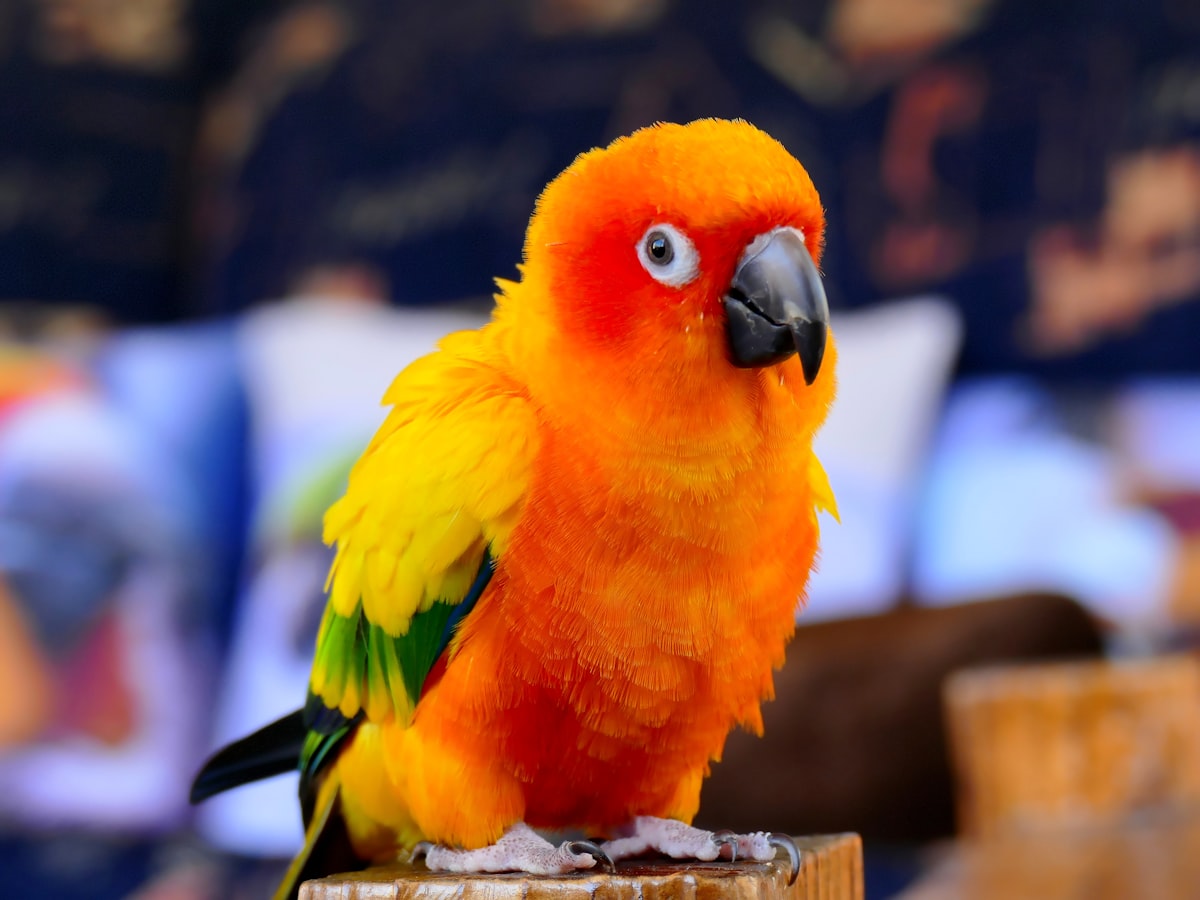
Parrotlet receiving specialized care and handling during boarding at Avian Haven Richmond Hill

Our Parrotlet Care Plan

Every boarded parrotlet receives a tailored care routine built around the six pillars of parrotlet wellness — because these tiny birds demand big commitment.

Tiny But Mighty Personality

Parrotlets genuinely believe they are macaws. They strut, they posture, they challenge birds ten times their size without hesitation. Our handlers respect this fearless personality while keeping your parrotlet safe. We provide an environment where their confidence is encouraged through positive interaction, not dampened by intimidation from larger birds or unfamiliar surroundings. Every parrotlet gets to feel like the biggest bird in the room.

Aggression Management

Parrotlets can be extremely territorial — biting hard enough to draw blood from fingers, attacking cage mates, and lunging at anything they perceive as a threat. Our experienced handlers read parrotlet body language fluently: pinning eyes, open-beak posturing, raised wings, and the distinctive sideways shuffle that precedes a strike. We use patient, consistent techniques and positive reinforcement to work with aggressive parrotlets without escalating their behaviour.

Escape Prevention

At just 4.5 to 5 inches long, parrotlets are notorious escape artists. Standard parrot cages with wider bar spacing are dangerous — a parrotlet can squeeze through bars or get its head trapped between them. We use enclosures with bar spacing no wider than 3/8 inch and secure latches that parrotlets cannot manipulate. During out-of-cage time, all windows, doors, vents, and gaps are secured before your parrotlet is released.

Diet & Nutrition

Parrotlets are highly prone to fatty liver disease (hepatic lipidosis) when fed seed-heavy diets. We follow your established diet while ensuring nutritional balance — high-quality pellets as the base, supplemented with dark leafy greens, carrots, peppers, broccoli, and limited fruit. Seed is offered only as a training treat, never as a dietary staple. We monitor weight carefully, as even small fluctuations matter in a bird this size.

Safe Enrichment

Standard parrot toys can be dangerous for parrotlets. Toys designed for larger birds may have parts a parrotlet can get tangled in, openings that trap tiny toes, or materials too tough for their small beaks. We provide appropriately sized enrichment: small shredding toys, mini foraging cups, tiny bells, balsa wood pieces, and finger-trap style toys scaled for parrotlet beaks. Enrichment is rotated daily to prevent boredom.

Bonding & Trust

Parrotlets can revert to untame behaviour faster than almost any other parrot species. Skip daily handling for even a few days and a once-cuddly parrotlet may become nippy and avoidant. Our boarding protocol includes dedicated daily one-on-one sessions with step-up practice, gentle head scratches for birds that accept them, and interactive play. We follow your handling routine precisely so your parrotlet returns just as bonded as when they arrived.

Parrotlet Varieties We Board

We welcome all parrotlet species and colour mutations. Here are the varieties we most commonly board, along with their unique care considerations.

Pacific Parrotlet

The most common pet parrotlet by far. Pacific parrotlets are bold, feisty, and full of character. Males are typically more colourful with blue eye streaks and rump feathers, while females tend to be solid green. Pacifics are the most likely parrotlet species to learn words and tricks, but also the most prone to territorial aggression. They bond strongly to one person and may bite others — our handlers are well versed in earning a Pacific's trust.

Green-Rumped Parrotlet

Slightly smaller and generally gentler than Pacific parrotlets. Green-rumped parrotlets are the second most common pet species and tend to be less aggressive, making them a popular choice for families. They are still true parrotlets with all the personality that implies, but their calmer disposition means they often adjust to boarding environments more quickly. We still provide the same escape-proof housing and daily handling.

Mexican Parrotlet

One of the smallest parrotlet species, the Mexican parrotlet (also called the turquoise-rumped parrotlet) is less common in the pet trade but occasionally seen. They are slightly shyer than Pacific parrotlets and may need extra patience during the settling-in period. Our handlers give Mexican parrotlets additional quiet time and gentle approach sessions to build trust without overwhelming them.

Spectacled Parrotlet

Named for the distinctive blue eye ring in males, spectacled parrotlets are energetic, curious, and social. They are slightly larger than Pacific parrotlets and have a reputation for being somewhat more easygoing. They still require escape-proof housing, daily handling, and careful diet management. Spectacled parrotlets are excellent flyers, so we are especially vigilant during out-of-cage time.

Blue-Winged Parrotlet

The largest of the commonly kept parrotlet species, blue-winged parrotlets are robust, active birds that need ample space despite still being quite small. They are strong flyers and powerful chewers relative to their size. Our boarding enclosures for blue-winged parrotlets provide extra enrichment to channel their higher energy levels and stronger chewing drive.

Colour Mutations

We board all parrotlet colour mutations with the same expert care. Common mutations include blue (the most popular), lutino (yellow with red eyes), American yellow, and American white. Colour mutations do not change care requirements — a blue Pacific parrotlet has the same personality, diet needs, and territorial tendencies as a wild-type green. We note your parrotlet's specific mutation for accurate identification and photo updates.

What to Bring for Your Parrotlet's Stay

While we provide all essential care supplies including escape-proof enclosures, bringing familiar items from home helps your parrotlet adjust more quickly — especially important for a species that can become stressed in new environments.

  • Their regular food — pellet brand and any fresh food preferences to maintain dietary consistency and prevent fatty liver risk from diet changes
  • Favourite small toys — 2-3 parrotlet-sized toys that carry their scent and provide comfort in a new setting
  • A worn cloth or shirt — something with your scent is especially calming for bonded parrotlets who are strongly attached to one person
  • Handling notes — detailed instructions on how your parrotlet prefers to be handled, known bite triggers, favourite treats, and daily routine
  • Vet contact — your avian vet's name and phone number in case of emergency
  • Medication — if applicable, with precise dosing instructions (parrotlet doses are extremely small and accuracy is critical)

You do not need to bring a cage — we have escape-proof enclosures with appropriate bar spacing for all parrotlet species. If you prefer to bring your own cage, we will inspect it for bar spacing safety before use.

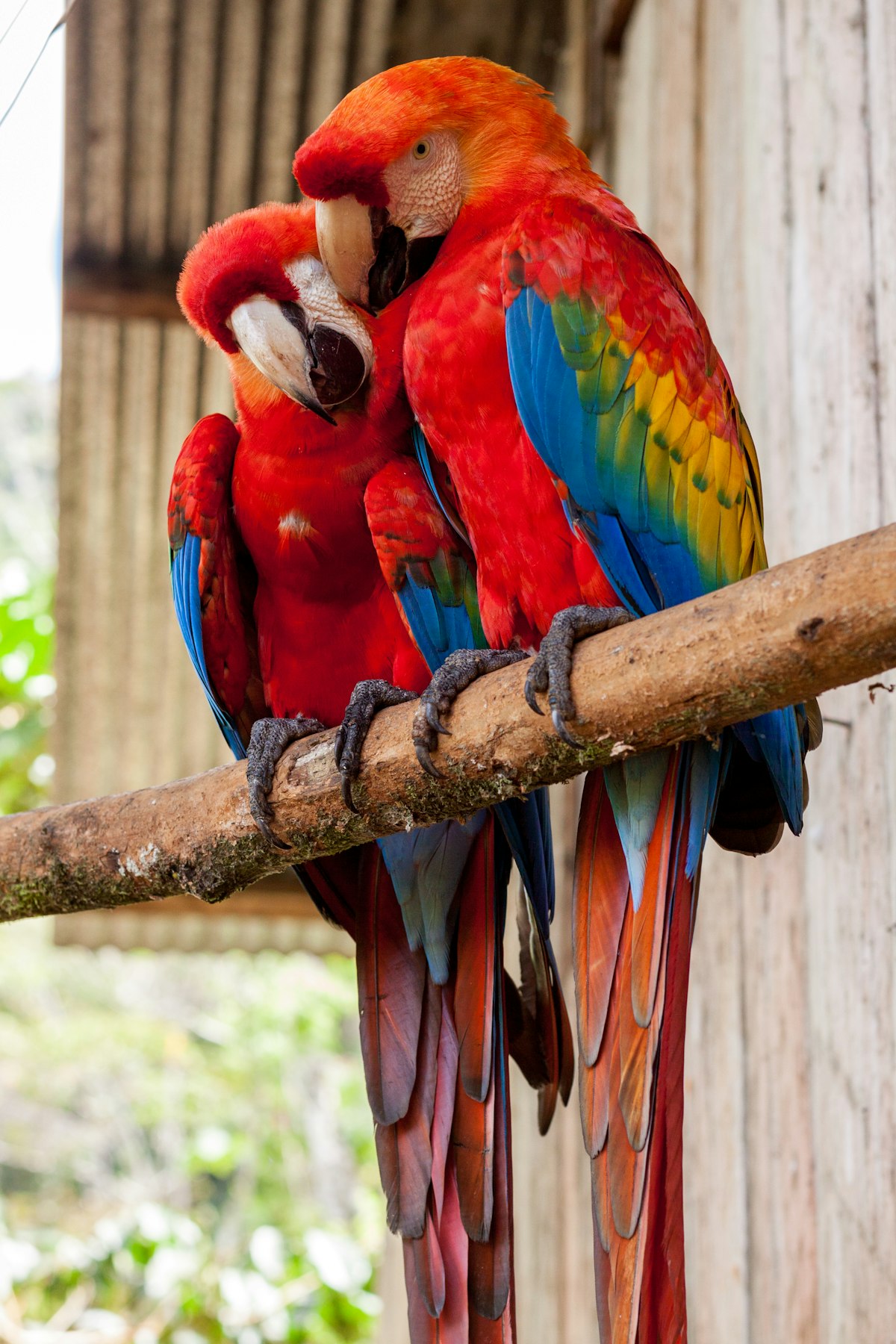
Preparing your parrotlet for boarding at Avian Haven Richmond Hill

Pricing

Parrotlet boarding is priced at the medium bird tier. Despite their small size, parrotlets require specialized escape-proof housing, daily one-on-one bonding sessions, territorial aggression management, and experienced handlers — placing them in the medium care category. All rates include food, enrichment, daily health monitoring, cage cleaning, and photo updates.

$20
Per Day
$125
Per Week (7+ days)
See Full Pricing

Parrotlet Boarding FAQ

Why are parrotlets priced at the medium bird tier despite their small size?

Parrotlets require medium-level care due to their complex personality and care needs. Despite measuring only 4.5 to 5 inches, parrotlets are fiercely territorial, require daily one-on-one handling to maintain tameness, need escape-proof enclosures with bar spacing no wider than 3/8 inch, and must be housed far from larger parrots for safety. The time, expertise, and specialized housing involved places them firmly in the medium bird care tier.

Can my parrotlet be housed near other birds during boarding?

Parrotlets must never be housed near larger parrots. Despite their tiny size, parrotlets are extremely territorial and will attempt to attack birds many times their size through cage bars, which can result in serious injury or death to the parrotlet. We house parrotlets in a separate area away from larger species. They may be within auditory range of other small birds, but direct visual contact with larger parrots is avoided.

How do you prevent a parrotlet from escaping its enclosure?

Parrotlets are notorious escape artists due to their tiny size. We use enclosures with bar spacing no wider than 3/8 inch, which prevents them from squeezing through or getting their heads stuck between bars. All cage doors have secure latches that a parrotlet cannot manipulate. During out-of-cage time, windows and doors are secured, vents are covered, and the room is thoroughly bird-proofed before the parrotlet is released.

Will my parrotlet lose its tameness during boarding?

This is a common concern with parrotlets, and for good reason. Parrotlets can revert to untame behaviour faster than most parrot species if daily handling is skipped. Our boarding protocol includes dedicated daily one-on-one handling sessions with step-up practice, gentle interaction, and trust-building exercises. We follow your established handling routine as closely as possible so your parrotlet returns to you just as tame as when they arrived.

What do you feed parrotlets during boarding?

We follow your established diet precisely. A healthy parrotlet diet centers on high-quality pellets as the base, supplemented with fresh vegetables and limited fruit. Parrotlets are prone to fatty liver disease when fed too many seeds or high-fat foods, so we carefully control seed intake and ensure a balanced nutritional profile. Dark leafy greens, carrots, peppers, and small amounts of berries are typical fresh food offerings.

How do you handle an aggressive or territorial parrotlet?

Parrotlet aggression is well understood by our team. These birds have enormous personalities packed into tiny bodies and often believe they are macaw-sized. We use patience, consistent handling techniques, and positive reinforcement to work with territorial parrotlets. Our handlers read parrotlet body language carefully — pinning eyes, open-beak posturing, raised wings, and the distinctive sideways shuffle that precedes a strike. We never force interaction, which only escalates aggression.

Related Species Guides

View All Species

Book Parrotlet Boarding

Give your pocket parrot the attentive, specialized care they deserve while you are away. Contact us to discuss your parrotlet's personality, handling preferences, and schedule their stay.

Get a Quote View All Species