
Cockatoo Boarding in Richmond Hill

Cockatoos are among the most emotionally complex companion birds — deeply bonded to their owners, intensely social, and extraordinarily demanding. Boarding a cockatoo requires more than a cage and food. It requires patience, experience, and a genuine understanding of what makes these remarkable birds tick.
Why Cockatoos Need Expert Boarding

Cockatoos are not a species you hand off to a general pet sitter. Their emotional needs rival those of a small child — they crave constant companionship, become distressed when routines change, and can develop serious behavioural issues like feather destruction and self-mutilation if their needs go unmet. A cockatoo in a new environment without experienced handlers is a recipe for a traumatic experience.

At Avian Haven, we have the experience, the facility, and the commitment to provide cockatoos with the intensive care they require. Our team understands cockatoo body language — the raised crest that signals excitement or alarm, the wing-spreading display, the soft grinding beak that means contentment — and responds appropriately to every signal.

  • Multiple dedicated interaction sessions daily, including cuddle time
  • Separation anxiety management with familiar scent items
  • HEPA-filtered air for feather dust management
  • Heavy-duty enrichment that cockatoos can destroy safely
  • Low-fat, high-vegetable diet to prevent fatty liver disease
  • Cockatoo-proof enclosures with escape-resistant hardware
  • Daily photo and video updates to reassure owners
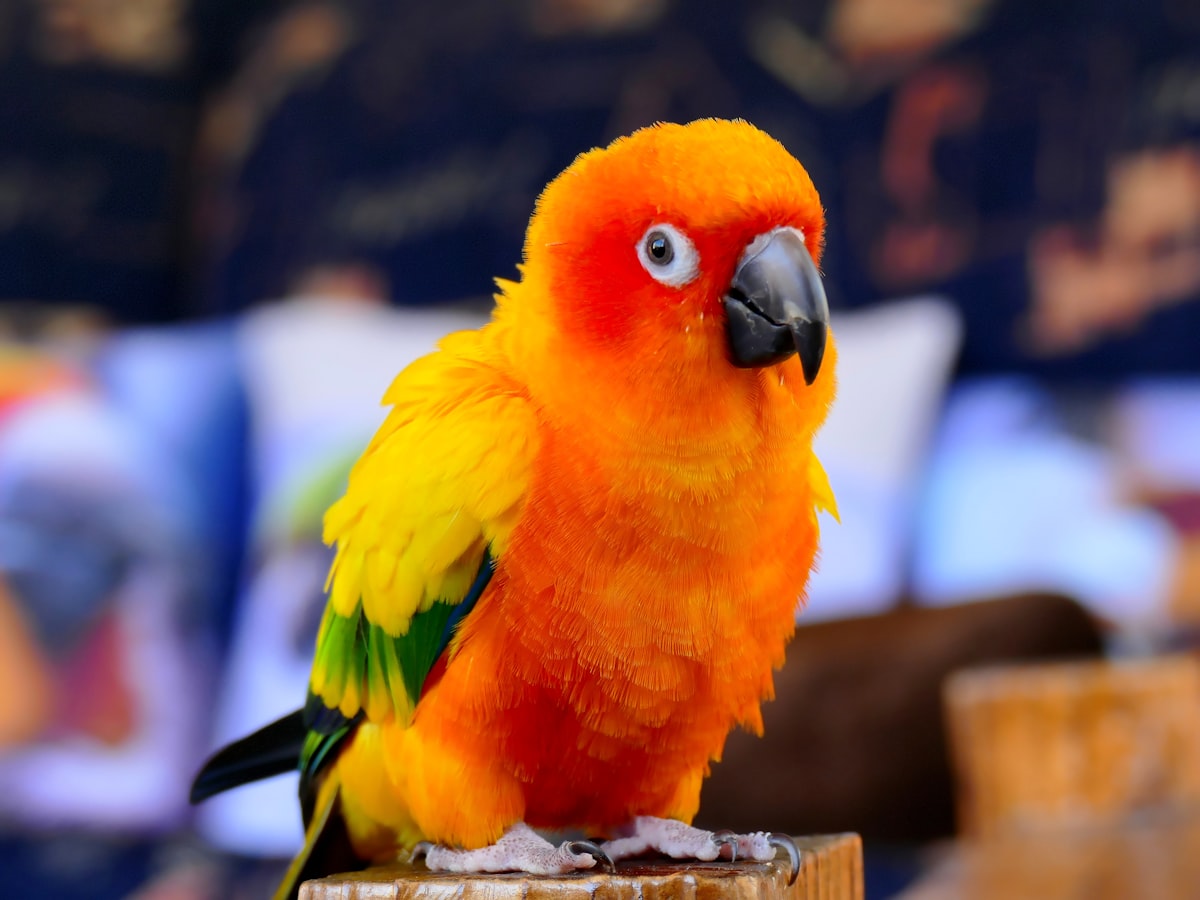
Cockatoo receiving interaction and enrichment during boarding at Avian Haven Richmond Hill

Our Cockatoo Care Plan

Every boarded cockatoo receives an individualized care routine built around six critical areas that determine their wellbeing.

Emotional Support

Cockatoos form the strongest owner bonds of any companion bird. Separation can cause genuine emotional distress. We schedule frequent, dedicated one-on-one time throughout the day — talking, gentle handling, and supervised cuddle sessions for birds that want physical contact. We keep familiar items from home in their space. Our goal is to become a trusted companion, not a substitute for you.

Dust Management

Cockatoos are powder-down birds that produce significant feather dust — a respiratory concern for the bird, nearby species, and handlers with sensitivities. We house cockatoos in well-ventilated areas with HEPA-grade air purification running continuously. Cockatoos are separated from dust-sensitive species like Eclectus and Lories. Regular misting baths are offered, which most cockatoos enjoy and which naturally reduces dust output.

Low-Fat Diet Protocol

Cockatoos are prone to obesity and fatty liver disease, especially in captivity where activity levels drop. We follow a strict low-fat dietary approach: high-quality pellets as the base, large portions of fresh vegetables — leafy greens, peppers, broccoli, green beans, sweet potato — and limited fruit. Nuts and seeds are used exclusively as training rewards and enrichment, never as free-access food.

Heavy-Duty Enrichment

Cockatoos need to destroy things. This is not a behavioural problem — it is a fundamental psychological need. A cockatoo without things to chew, shred, and demolish will redirect that drive toward their own feathers. We provide daily rotations of heavy-duty destructible toys: untreated pine blocks, thick leather strips, woven palm leaves, coconut shells, and cardboard boxes filled with foraging surprises.

Noise Management

Cockatoos are among the loudest companion birds, with some species reaching 135 decibels. We never punish or suppress vocalization — screaming is always a communication. Instead, we address the cause: boredom, anxiety, attention-seeking, or contact calls at dawn and dusk. We track vocalization patterns to identify triggers, provide enrichment before known loud periods, and ensure sufficient social interaction to reduce distress calls.

Feather Health Monitoring

Feather destructive behaviour (FDB) is the most common and most heartbreaking cockatoo health issue. Stress, boredom, hormonal changes, and environmental factors all contribute. We monitor feather condition daily, photograph any changes, and report immediately if we notice new plucking, barbering, or skin irritation. For cockatoos with existing FDB, we implement enrichment-heavy protocols designed to redirect the behaviour.

Managing Cockatoo Separation Anxiety

Separation anxiety is the single biggest challenge in cockatoo boarding. These birds can become genuinely distressed when separated from their bonded person. Here is how we manage it.

Our Separation Anxiety Protocol

  • Pre-boarding visit — we strongly recommend bringing your cockatoo for a short visit before their stay so they can meet our team and explore the space
  • Scent comfort — bring a worn t-shirt or pillowcase with your scent; we place it near their enclosure
  • Gradual transition — the first 24-48 hours involve extra attention and frequent check-ins to build trust
  • Consistent handlers — the same team members interact with your cockatoo each day to build familiarity
  • Routine stability — we replicate your home routine as closely as possible for feeding, sleep, and interaction times
  • Distress monitoring — we watch for signs of acute distress: prolonged screaming, food refusal, feather plucking, and lethargy
  • Owner updates — daily photos and videos so you can see how your cockatoo is adjusting, and so we can coordinate if concerns arise

For cockatoos with severe separation anxiety, we can discuss extended transition protocols. Please let us know at booking if your cockatoo has a history of distress when away from home.

Cockatoo Varieties We Care For

We board all cockatoo species. Each has unique traits that we account for in their care plan.

Umbrella Cockatoos

The quintessential cuddly cockatoo. Umbrellas are deeply affectionate, often demanding physical contact for hours at a time. They are also among the loudest cockatoo species. During boarding, we provide extensive cuddle time for Umbrellas that are comfortable with handlers, and redirect their attention with enrichment during periods when one-on-one contact is not possible. Their strong beaks require our heaviest-duty enclosures.

Moluccan (Salmon-Crested) Cockatoos

The most emotionally intense of all cockatoos. Moluccans bond deeply, scream loudly, and are the most prone to feather destructive behaviour when stressed. They require the most interaction of any species we board. Our Moluccan protocol includes extended handling sessions, enhanced enrichment rotations, and heightened feather monitoring. These magnificent birds are not for inexperienced boarders.

Sulphur-Crested Cockatoos

Intelligent, energetic, and strong-willed. Sulphur-crested cockatoos (both Greater and Lesser) are excellent problem-solvers who will test every latch, every barrier, and every boundary. They are vocal, active, and benefit from mentally challenging enrichment — puzzle feeders, multi-step foraging devices, and novel objects to investigate. We respect their intelligence by providing stimulation that matches their cognitive abilities.

Galah (Rose-Breasted) Cockatoos

More independent than most cockatoo species, Galahs are playful, energetic, and generally easier to board. They still need social interaction and enrichment, but they handle separation better than Umbrellas or Moluccans. Galahs are particularly prone to obesity, so their diet during boarding is carefully managed with emphasis on low-fat vegetables and controlled pellet portions.

Goffin's Cockatoos

Small, curious, and incredibly clever. Goffin's cockatoos are the tool-users and escape artists of the cockatoo world. They need mentally stimulating enrichment more than most — puzzle toys, problem-solving activities, and novel objects to manipulate. During boarding, we provide daily mental challenges and ensure their enclosure latches are Goffin's-proof, which is a higher bar than most cockatoo species.

Major Mitchell's (Leadbeater's) Cockatoos

Rare and striking, Major Mitchell's cockatoos are quieter and more reserved than other cockatoo species. They can be shy with unfamiliar handlers and take longer to warm up during boarding. We give Major Mitchell's extra space and patience, allowing them to approach on their own terms. Their diet and enrichment needs are similar to other cockatoos, with the same emphasis on low-fat nutrition.

What to Bring for Your Cockatoo's Stay

Familiar items make a significant difference for cockatoos. More than any other species, cockatoos benefit from having pieces of home in their boarding environment.

  • A worn shirt or blanket — something with your scent is the single most comforting item for a bonded cockatoo
  • Favourite toys — especially any comfort items they sleep with or carry around
  • Their regular food — pellet brand and any specific fresh food preferences
  • Care instructions — daily routine, bedtime ritual, favourite songs or phrases, known triggers, comfort behaviours
  • Vet contact — your avian vet's name and phone number in case of emergency
  • Medication — if applicable, with clear dosing instructions
  • Music or audio preferences — if your cockatoo has favourite music, playlists, or responds well to specific sounds, let us know

We provide heavy-duty cockatoo-appropriate enclosures. If you prefer to bring your own cage, ensure it is large enough and made of heavy-gauge material — standard parrot cages are not suitable for most cockatoo species.

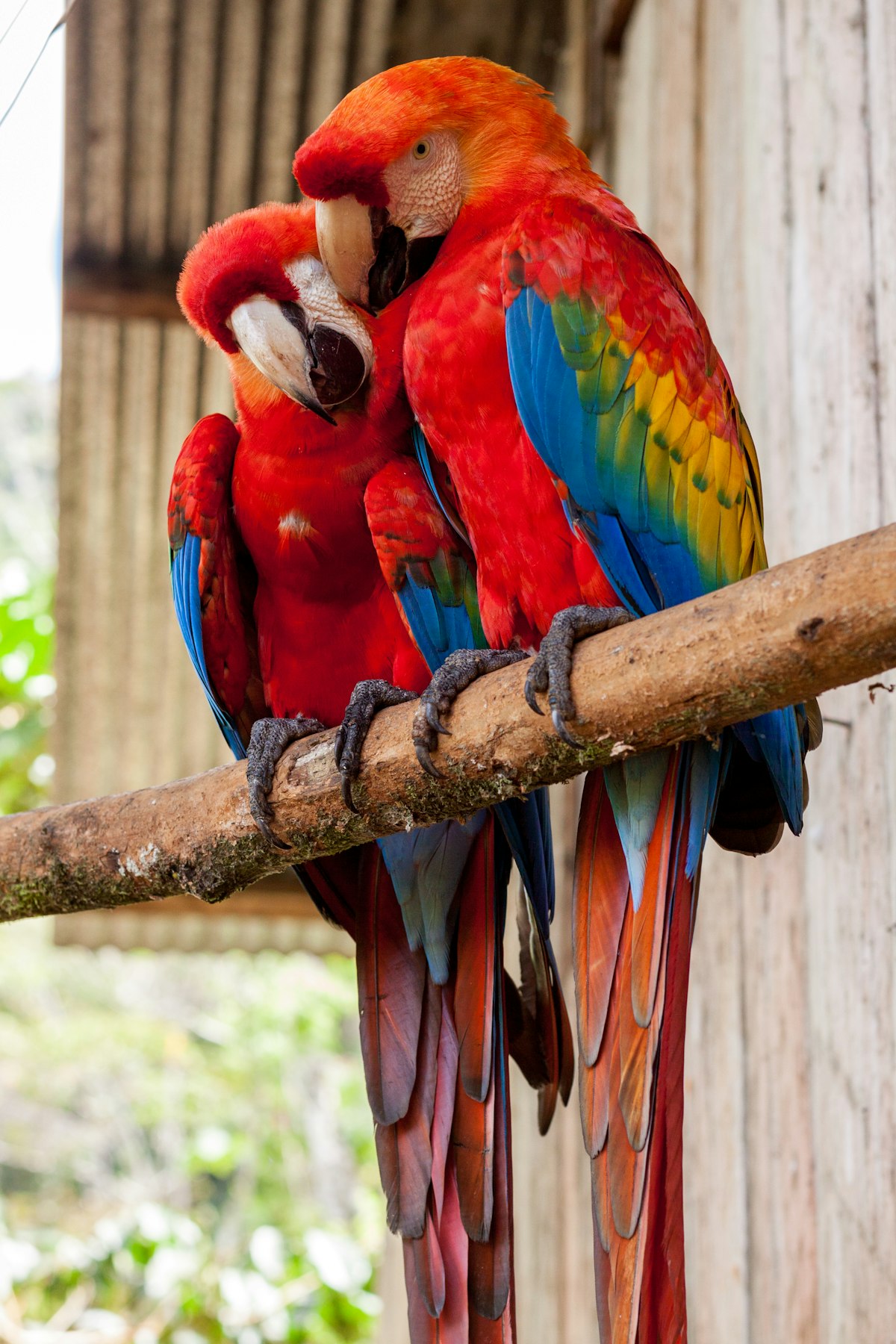
Preparing your cockatoo for boarding at Avian Haven Richmond Hill

Pricing

Cockatoo boarding is priced the same as all companion bird species. All rates include food, enrichment, daily health monitoring, dust management, cage cleaning, and photo updates.

$30
Daily Sitting
$185
Weekly Boarding
$720
Monthly Boarding (7+ days)
See Full Pricing

Cockatoo Boarding FAQ

How do you handle cockatoo separation anxiety during boarding?

Cockatoos form exceptionally strong bonds with their owners, so separation anxiety is our primary concern. We schedule multiple dedicated interaction sessions throughout the day, including supervised cuddle time for cockatoos that are comfortable with handling. We keep familiar items from home — a worn shirt with your scent, favourite toys — in their enclosure. Our handlers maintain calm, consistent routines because cockatoos are highly sensitive to unpredictability. Most cockatoos begin settling in within 24 to 48 hours when given patient, attentive care.

How do you manage cockatoo dust?

Cockatoos are powder-down birds that produce significant feather dust, which can be a respiratory concern for both the bird and nearby species. We house cockatoos in well-ventilated areas with HEPA-grade air purification. Cockatoos are kept separate from species sensitive to feather dust, such as Amazons, Eclectus, and Lories. We also offer regular misting baths, which most cockatoos enjoy and which helps reduce dust production.

What do you feed cockatoos during boarding?

Cockatoos are prone to obesity and fatty liver disease, so a low-fat diet is essential. We provide a high-quality pellet base supplemented with a large variety of fresh vegetables — leafy greens, peppers, broccoli, sweet potato, and green beans. Fruits are limited due to sugar content. Nuts are used sparingly as training rewards or enrichment treats, not as diet staples. We follow your specific dietary instructions and adjust portions to match your cockatoo's activity level during boarding.

Can your enclosures withstand a cockatoo's beak?

Yes. We know from experience that cockatoos will destroy anything they can. Our cockatoo enclosures use heavy-gauge stainless steel or powder-coated welded wire that withstands even the most determined Moluccan or Umbrella cockatoo. Latches are cockatoo-proof — these birds are notorious escape artists — and all hardware is checked daily for signs of tampering.

How do you handle cockatoo screaming?

Cockatoos are among the loudest companion birds, and we never punish vocalization. Excessive screaming in cockatoos is almost always a symptom of unmet needs — boredom, loneliness, or anxiety. Our approach addresses the root cause: frequent interaction, stimulating enrichment, consistent routine, and a calm environment. We track vocalization patterns to identify triggers and adjust care accordingly. Dawn and dusk contact calls are normal and expected.

What enrichment do cockatoos get during boarding?

Cockatoos need to destroy things — it is a fundamental behavioural need, not a bad habit. We provide heavy-duty destructible toys daily: large wooden blocks, untreated pine boards, thick leather strips, woven palm leaves, coconut shells, and cardboard boxes. We rotate enrichment to prevent boredom and include foraging challenges that make cockatoos work for their food. Out-of-cage time with supervised play and interaction is part of every cockatoo's daily schedule.

Related Species Guides

View All Species

Book Cockatoo Boarding

Your cockatoo deserves a boarding experience that matches their emotional complexity. Contact us to discuss your bird's personality, needs, and schedule their stay.

Get a Quote View All Species