Why Body Language Matters
Companion birds communicate primarily through body language. Unlike dogs, which have been selectively bred for thousands of years to communicate with humans, birds retain much of their wild communication instincts. Learning to read these signals is one of the most valuable skills you can develop as a bird owner, because it allows you to understand your bird's emotional state, anticipate their needs, and prevent bites or stress-related behaviours before they escalate.
At Avian Haven Richmond Hill, reading body language is a core skill for every member of our care team. It informs how we approach each bird, when we offer interaction, and when we give them space. This guide covers the most important signals to watch for across the most common companion bird species.
Feather Position
Feather position is one of the clearest indicators of a bird's mood:
- Sleek, tight feathers — Your bird is alert and possibly wary or frightened. They are making themselves appear smaller, which is a defensive posture. If combined with wide eyes and a rigid body, give your bird space.
- Slightly fluffed feathers — This usually indicates relaxation and contentment. A bird that is gently fluffed while perching calmly is comfortable in their environment.
- Heavily fluffed feathers — If your bird is puffed up for an extended period, especially if they are sitting low on their perch with eyes partially closed, they may be feeling unwell. This is a key health warning sign that warrants close monitoring or a vet visit.
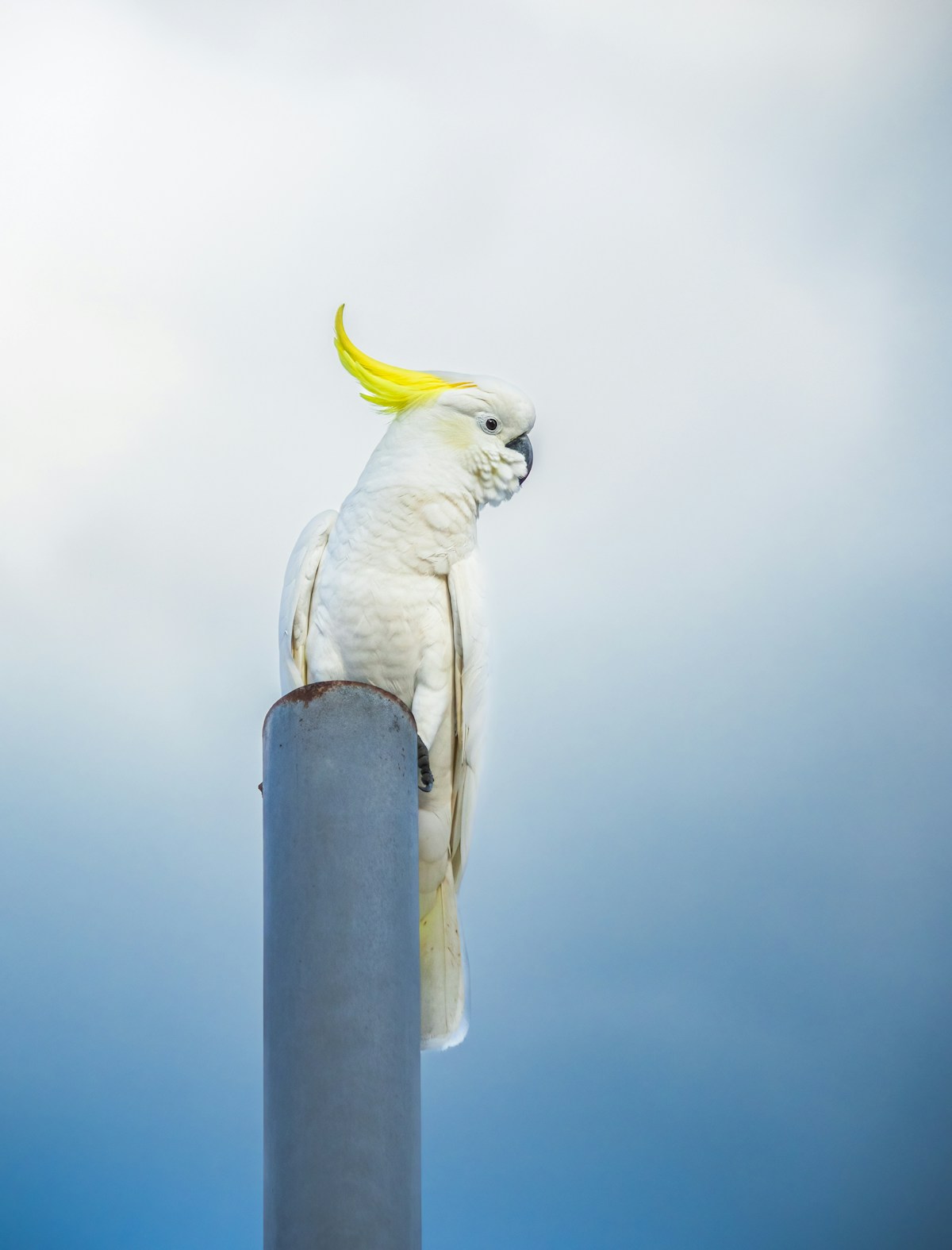
- Raised crest (cockatiels, cockatoos) — A fully raised crest can indicate excitement, surprise, or alarm. Context matters: a raised crest during play is excitement, while a raised crest combined with hissing or lunging signals fear or aggression.
Eye Behaviour
Birds with light-coloured irises, particularly parrots and cockatoos, exhibit a behaviour called eye pinning where their pupils rapidly dilate and contract. Eye pinning can indicate excitement, interest, or agitation. Watch the surrounding context:
- Eye pinning while looking at food or a toy — Your bird is excited and interested. This is positive.
- Eye pinning combined with raised feathers and a rigid posture — Your bird may be overstimulated or preparing to bite. This is a warning signal.
- Slow blinking or half-closed eyes — A sign of trust and relaxation. Many birds do this when they are being gently scratched in a spot they enjoy.
Posture and Stance
How your bird holds their body tells you a great deal about their intentions:
- Leaning forward with feathers tight — This bird is focused and may be about to lunge or bite. It can also indicate they want to be picked up, depending on context. Look for additional cues like beak opening or foot lifting.
- One foot tucked up — A classic sign of comfort and relaxation. A bird standing on one foot is at ease and does not feel threatened.
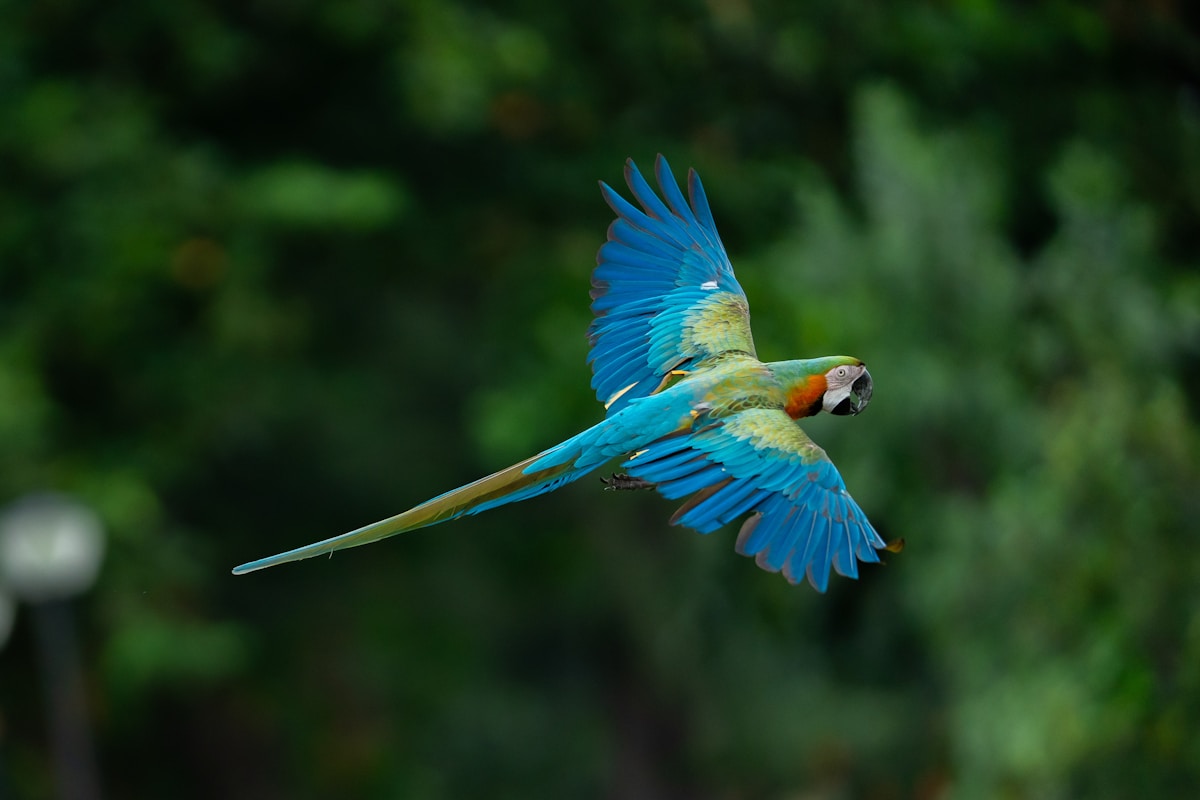
- Wings slightly away from body — In warm weather, this helps with thermoregulation. But if your bird is holding their wings out and panting, the room may be too hot.
- Tail bobbing — Gentle tail movement with breathing is normal after exertion. Persistent, pronounced tail bobbing at rest can indicate respiratory distress and should be evaluated by an avian vet.
Vocalizations
While not technically body language, vocalizations are an essential part of bird communication and are best interpreted alongside physical cues:
- Soft chattering or beak grinding — Contentment. Beak grinding, in particular, is a sign that your bird is relaxed and ready to sleep.
- Loud screaming at consistent times — Often a natural contact call, especially at dawn and dusk. This is normal flock behaviour and does not necessarily indicate distress.
- Hissing or growling — A clear warning. Your bird is telling you to back off. Respect this signal to avoid a bite and to maintain trust.
- Purring or quiet vocalization during handling — Your bird is enjoying the interaction. Continue what you are doing.
Beak Behaviour
Birds use their beaks for communication as much as for eating and climbing:
- Beak wiping on perch — Cleaning behaviour after eating, or a displacement activity when mildly stressed.
- Beak clicking — Often a greeting or a sign of contentment, particularly in cockatiels.
- Open beak with lunging — A bite warning. Do not reach toward a bird displaying this behaviour.
- Gentle beak touching or preening your hand — A sign of affection and bonding. Your bird sees you as part of their flock.
Context Is Everything
The most important principle in reading bird body language is context. A single behaviour in isolation can mean different things depending on the situation. Eye pinning might mean excitement when your bird sees their favourite treat, or agitation when a stranger approaches their cage. Always consider the full picture: what is happening in the environment, what preceded the behaviour, and what other body signals are present simultaneously.
Over time, you will develop an intuitive understanding of your individual bird's communication style. Every bird has their own personality and their own variations on these general patterns. The more you observe and respond appropriately, the stronger your bond will become.
Applying This Knowledge
Understanding body language is not just an academic exercise. It directly improves your bird's quality of life. When you can tell that your bird is stressed, you can remove the stressor. When you can tell they are relaxed and receptive, you can offer enrichment and interaction at the right moment. This responsiveness builds trust, reduces behavioural problems, and creates a healthier, happier relationship between you and your feathered companion.