Why Diet Is the Foundation of Bird Health
Nutrition is the single most important factor in your companion bird's long-term health. A bird that eats a balanced, species-appropriate diet will have a stronger immune system, better feather quality, more consistent energy levels, and a longer lifespan than one that subsists on a limited or imbalanced diet. Despite this, diet remains one of the most misunderstood aspects of bird care.
Many bird owners were taught that seed mixes are sufficient for their bird's nutritional needs. While seeds are a natural part of many birds' diets, a seed-only regimen is dangerously deficient in vitamins, minerals, and protein for most companion species. This guide covers the fundamentals of avian nutrition and provides practical guidance for building a complete diet.
The Role of Pellets
High-quality formulated pellets should form the foundation of most companion birds' diets, typically comprising 50 to 70 percent of their total food intake. Pellets are designed to deliver balanced nutrition in every bite, eliminating the selective eating problem that occurs with seed mixes where birds pick out their favourite high-fat seeds and ignore the rest.
When selecting pellets, look for brands that use natural ingredients and avoid artificial colours and flavours. Coloured pellets may look appealing to owners, but the dyes serve no nutritional purpose and some birds will selectively eat certain colours, defeating the purpose of a balanced formulation.
Transitioning a seed-addicted bird to pellets requires patience. Mix a small amount of pellets into their seed gradually, increasing the pellet ratio over several weeks. Some birds take to pellets quickly while others need months of gradual transition. Never withhold food entirely to force the switch, as birds have fast metabolisms and can become dangerously malnourished within hours.
Seeds and Nuts
Seeds and nuts are not inherently bad. They are calorie-dense, which is valuable for birds that need extra energy, and they provide essential fatty acids. The problem arises when seeds become the entire diet rather than a supplementary component.
For most companion birds, seeds should make up no more than 15 to 25 percent of the total diet. Offer a varied seed mix rather than a single type, and avoid mixes that are heavy on sunflower seeds, which are particularly high in fat. Nuts like almonds, walnuts, and pecans make excellent treats and training rewards when offered in small quantities.
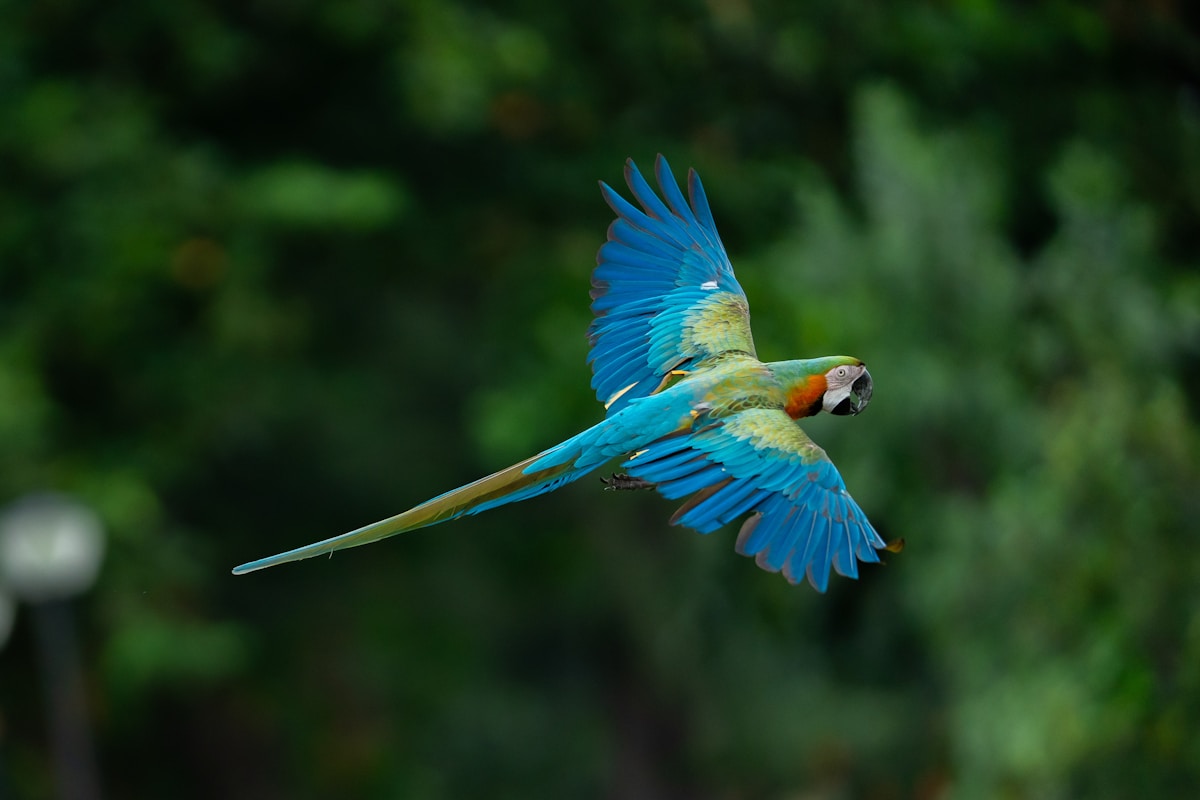
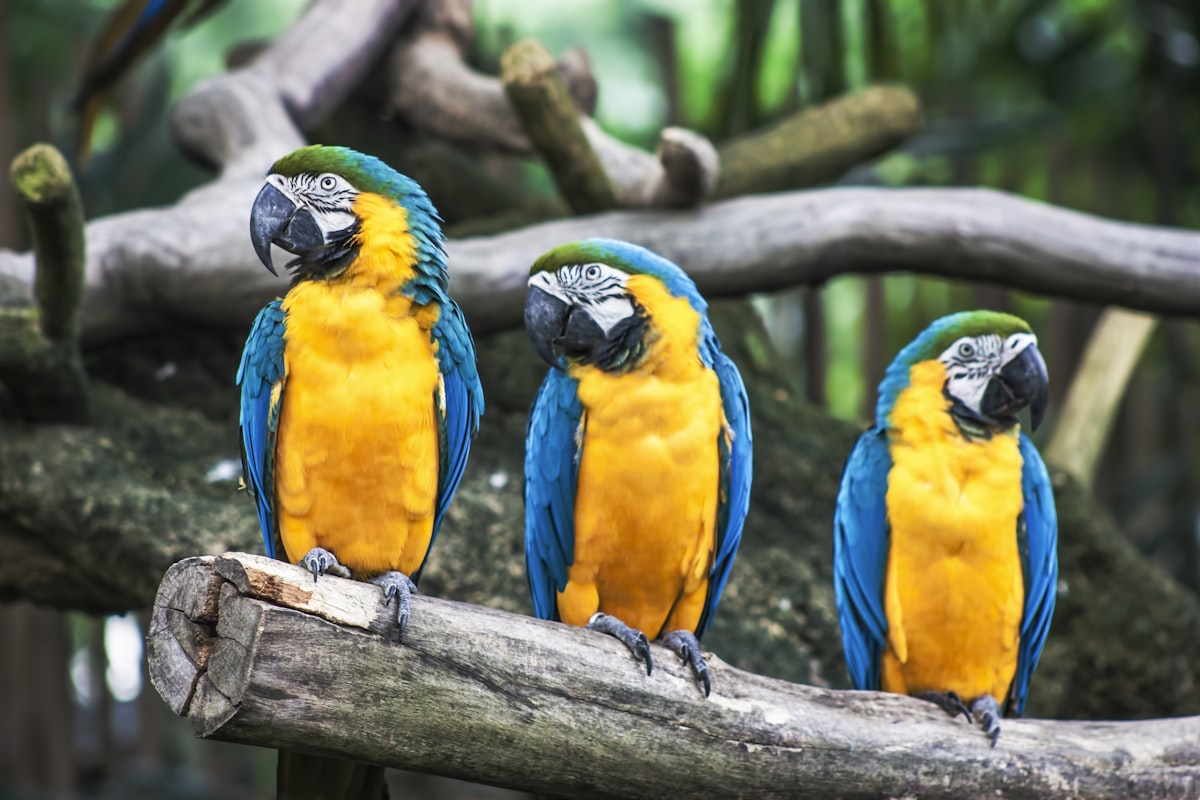
Larger species like macaws have higher fat requirements than smaller birds and can tolerate a somewhat higher proportion of nuts in their diet. Consult with an avian veterinarian for species-specific recommendations.
Fresh Fruits and Vegetables
Fresh produce should make up 20 to 30 percent of your bird's daily diet. This is where many owners fall short, either by not offering fresh foods at all or by relying on a narrow selection.
Vegetables are generally more nutritious and lower in sugar than fruits, so they should be the larger portion of fresh offerings:
- Excellent vegetables: Dark leafy greens (kale, Swiss chard, dandelion greens), broccoli, carrots, sweet potato (cooked), bell peppers, snap peas, corn, zucchini
- Good fruits (in moderation): Berries (blueberries, strawberries, raspberries), apple (no seeds), banana, mango, papaya, grapes, melon
- Foods to avoid: Avocado (toxic to birds), chocolate, caffeine, alcohol, onion, garlic, fruit seeds and pits (apple seeds, cherry pits contain cyanide compounds), raw beans, and heavily salted or seasoned foods
Introduce new foods gradually and do not be discouraged if your bird rejects them initially. Many birds need to see a new food multiple times before they try it. Offering fresh foods in different forms, chopped, shredded, hanging from a clip, or mixed into a warm mash, can increase acceptance.
Protein Sources
Birds need protein for feather production, muscle maintenance, and overall health. For most companion species, pellets provide adequate baseline protein, but supplemental sources can be beneficial, especially during moulting.
Good protein sources include cooked eggs (scrambled or hard-boiled), cooked chicken in small amounts, cooked legumes (lentils, chickpeas), and sprouted seeds. Sprouting increases the protein and nutrient content of seeds significantly and is an excellent way to boost your bird's diet without adding excess fat.
Calcium and Minerals
Calcium deficiency is a common nutritional problem in companion birds, particularly in African greys, which are especially susceptible. Signs of calcium deficiency include seizures, weakness, poor feather quality, and egg binding in females.
Provide a cuttlebone or mineral block in your bird's cage at all times. Dark leafy greens are also good dietary sources of calcium. For species with high calcium needs, your avian veterinarian may recommend a calcium supplement added to food or water.
Water
Fresh, clean water must be available at all times. Change your bird's water at least twice daily, as birds often dip food in their water, contaminating it quickly. Some bird owners use water bottles instead of open dishes to keep water cleaner, but not all birds will drink from bottles, so introduce them gradually if you choose to make the switch.
Species-Specific Considerations
While the fundamentals above apply broadly, different species have specific nutritional quirks:
- Budgies and cockatiels — Prone to obesity on seed-heavy diets. Pellet conversion is especially important for these species.
- African greys — Higher calcium and vitamin A needs. Supplement with calcium-rich vegetables and consider a vet-recommended supplement.
- Macaws — Higher fat requirements than most species. Nuts like macadamias, Brazil nuts, and walnuts can form a larger part of their diet.
- Lories and lorikeets — Nectar feeders that require a specialized liquid diet. They should not be fed standard pellets or seed mixes.
- Finches and canaries — Primarily seed eaters but still benefit from fresh greens, egg food, and sprouted seeds.
Building a Weekly Meal Plan
Consistency and variety are both important. Aim to rotate through different fresh foods throughout the week while keeping the pellet base constant. A simple approach is to prepare a batch of chopped vegetables at the start of each week and offer a different mix each morning alongside the pellet portion.
Monitor your bird's weight regularly, either with a gram scale or through visual assessment of their keel bone. Sudden weight loss or gain warrants a dietary review and potentially a vet visit.
When to Consult a Professional
If your bird has specific health conditions, is underweight or overweight, is a picky eater refusing all fresh foods, or is a species with unusual dietary requirements, consult an avian veterinarian for personalized guidance. Nutrition is too important to guess at, and professional advice can prevent serious health problems down the line.