The Importance of Enrichment
In the wild, birds spend the majority of their waking hours engaged in mentally and physically demanding activities: foraging for food, navigating complex environments, socializing with flock members, and staying alert to their surroundings. A companion bird living in a home environment has none of these natural challenges, which means it falls to you as their owner to provide stimulation that keeps their mind and body active.
Without adequate enrichment, birds can develop a range of behavioural problems including feather plucking, excessive screaming, aggression, repetitive behaviours, and depression. These are not character flaws. They are symptoms of an intelligent animal that does not have enough to do. The good news is that creating an enriching environment does not require expensive equipment or a lot of space. It requires creativity, consistency, and an understanding of what your bird finds engaging.
Foraging: The Foundation of Enrichment
Foraging is the most natural and effective form of enrichment for companion birds. In the wild, finding food occupies a significant portion of a bird's day. In captivity, food is placed in a bowl where it takes seconds to access. This elimination of foraging effort leaves a huge gap in your bird's daily activity.
Start by making your bird work a little harder for their food:
- Wrap treats in paper — Use plain, undyed paper to wrap pellets, seeds, or pieces of fruit. Your bird will enjoy tearing through the paper to reach the reward.
- Use foraging toys — Commercially available foraging toys range from simple puzzle feeders to complex multi-step devices. Start with easy puzzles and increase difficulty as your bird learns.
- Hide food in their cage — Tuck food into crumpled paper cups, between cage bars, or inside clean cardboard tubes. Change the hiding spots regularly to maintain the challenge.
- Skewer produce — Thread pieces of fruit and vegetable onto a stainless steel skewer hung in the cage. This makes eating a physical activity as your bird has to work to pull pieces off.
The goal is to extend the time your bird spends obtaining food from seconds to minutes or even hours, mimicking the natural foraging experience.
Toy Selection and Rotation
Birds are intelligent enough to get bored with the same toys. A cage full of toys that have been there for months provides minimal enrichment because the novelty has worn off. Toy rotation is far more effective than simply filling the cage with options.
Keep three to four toys in the cage at any time and swap them out every one to two weeks. Store the off-duty toys out of sight and reintroduce them later. Your bird will react to a reintroduced toy with renewed interest as if it were new.
Different types of toys serve different enrichment purposes:
- Destructible toys — Made from wood, paper, leather, or palm leaves, these satisfy your bird's natural urge to chew and shred. They are consumed during use and need regular replacement.
- Manipulative toys — Puzzles, rings, beads, and knots that your bird can interact with using their beak and feet. These promote problem-solving and fine motor skills.
- Noisemaking toys — Bells, rattles, and crinkle toys that provide auditory feedback when interacted with. Many birds find sound-producing toys particularly engaging.
- Preening toys — Rope, cotton, and fabric toys that satisfy preening instincts. These are especially valuable for birds prone to feather plucking as they provide an alternative outlet.
Out-of-Cage Time
Time outside the cage is essential for physical exercise and mental stimulation. A bird that spends its entire life inside a cage, no matter how large, is not living a full life. Supervised out-of-cage time should be a daily occurrence.
Create a safe play area outside the cage with a tabletop play stand or a dedicated play gym. Ensure the area is bird-proofed: no exposed wires, no toxic houseplants, no open water sources, no ceiling fans, and no access to the kitchen where cooking fumes and hot surfaces pose serious risks.
During out-of-cage time, engage with your bird directly. Training sessions, trick practice, or simply talking to your bird while they explore provides social enrichment that no toy can replace.
Social Enrichment
Birds are social animals that need interaction with their flock, and in a home setting, you are their flock. Aim for meaningful interaction every day, not just passive presence in the same room but direct engagement: talking, singing, training, or gentle handling.
If you are away for long hours during the day, consider leaving a radio or television on at moderate volume to provide ambient sound. Complete silence can be stressful for a social species that is used to the constant auditory input of a flock environment.
Some birds benefit from being able to see outdoor activity through a window, watching other birds, squirrels, and people passing by. Position the cage near a window but ensure there is also a shaded area the bird can retreat to, and never place the cage in direct sunlight for extended periods.
Environmental Variety
Small changes to your bird's environment can provide significant enrichment:
- Rearrange perches — Move perches to different positions in the cage every few weeks. This changes your bird's perspective and challenges them to navigate their space differently.
- Add natural branches — Safe, untreated branches from bird-safe trees like apple, willow, or eucalyptus provide varied perching surfaces and chewing material.
- Bathing opportunities — Many birds enjoy bathing and it promotes healthy feathers. Offer a shallow dish of water, mist your bird with a spray bottle, or let them join you in the shower if they enjoy it.
- Music and sounds — Many birds respond positively to music. Experiment with different genres to see what your bird enjoys. Some birds dance, sing along, or become more vocal and active when music is playing.
Enrichment for Different Species
Tailor your enrichment approach to your bird's species and individual personality:
- Budgies and cockatiels enjoy mirrors, swings, and shredding toys. They are often more receptive to new toys than larger species.
- Conures are highly active and benefit from challenging foraging puzzles and plenty of physical play space.
- African greys are exceptional problem solvers who thrive on complex foraging devices and training exercises that challenge their cognitive abilities.
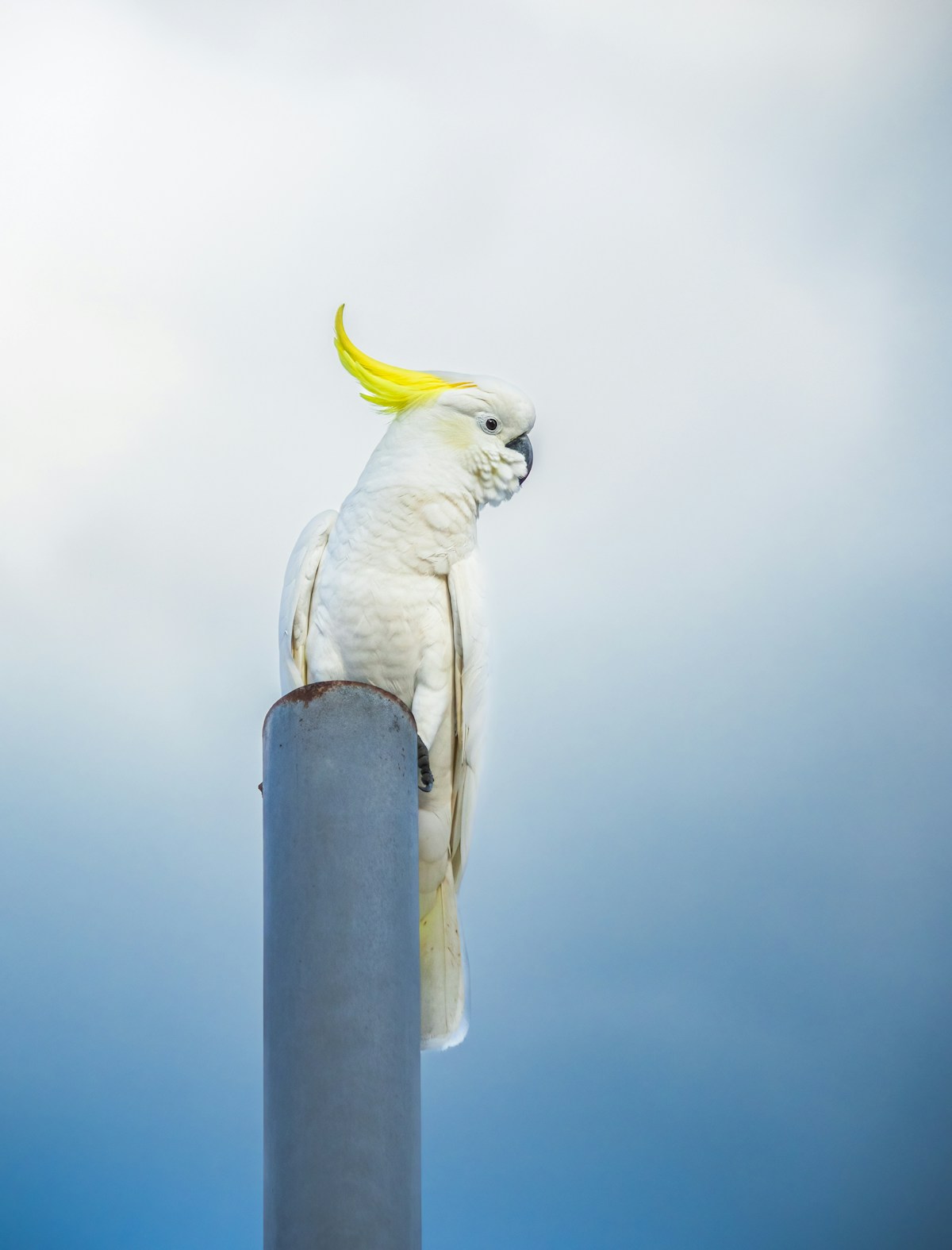
- Cockatoos need heavy-duty destructible toys and significant social interaction. They are among the most prone to behavioural issues from inadequate enrichment.
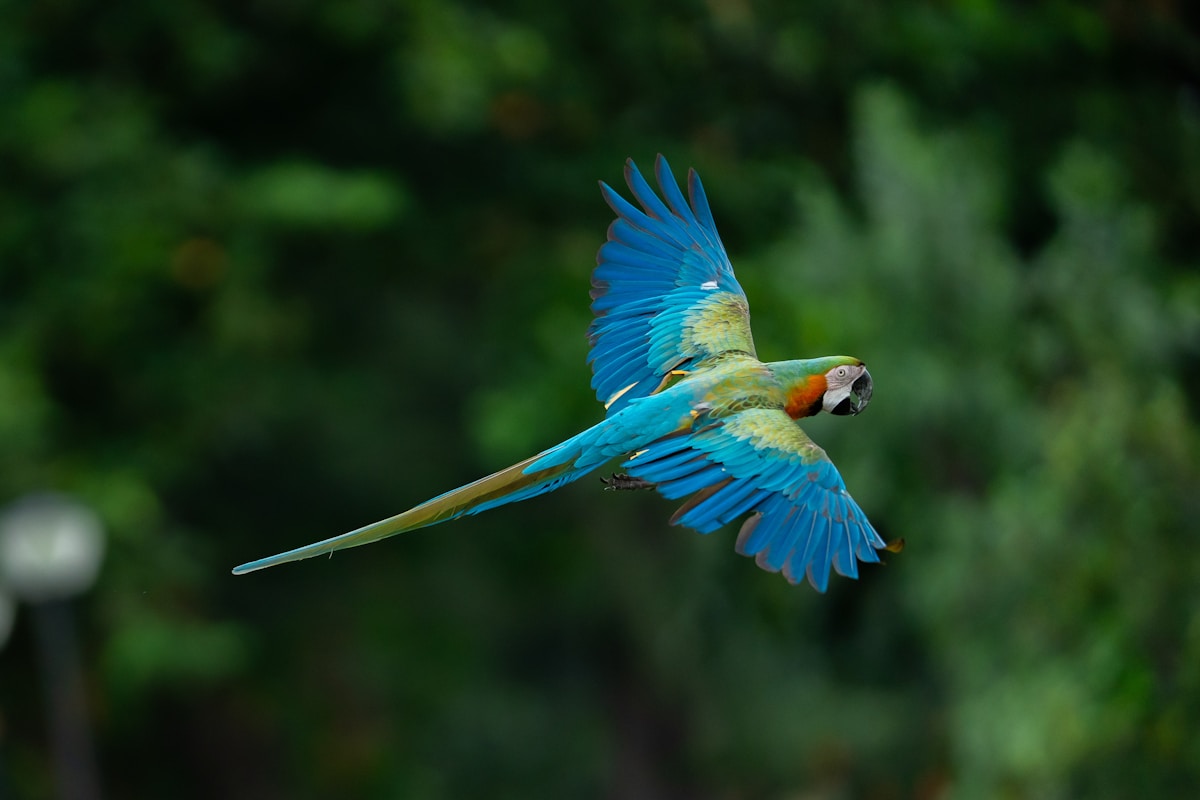
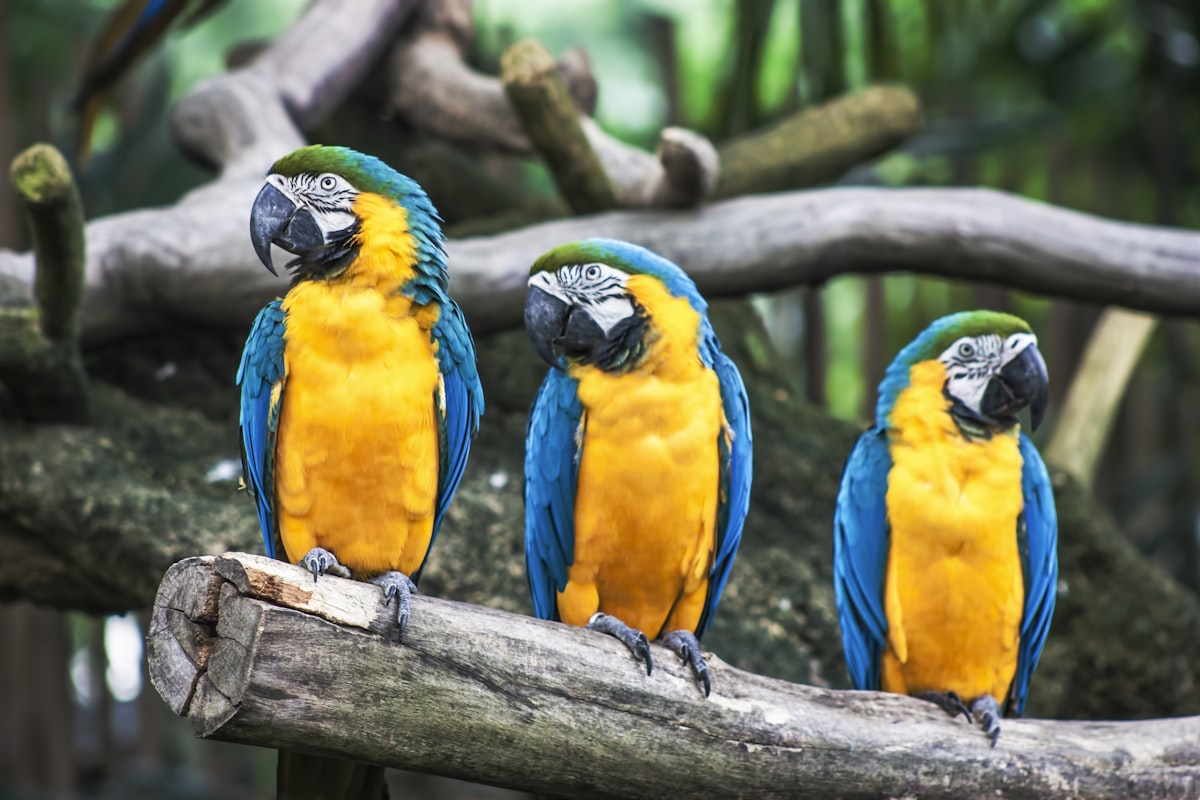
- Macaws require large, robust toys and ample out-of-cage time. Their powerful beaks make short work of most toys, so budget for regular replacements.
Making Enrichment a Habit
The key to successful enrichment is consistency. Set aside time each day for direct interaction with your bird, rotate toys on a regular schedule, and introduce new foraging challenges weekly. Enrichment should not be an afterthought or a special occasion activity. It should be an integral part of your bird's daily life, just like feeding and cage cleaning.
At Avian Haven Richmond Hill, enrichment is a core part of every boarding stay. We design daily enrichment activities based on each bird's species, personality, and preferences, because we know that a stimulated bird is a happy, healthy bird.