Why the Right Boarding Service Matters
Leaving your bird in someone else's care is one of the most significant decisions a bird owner can make. Birds are sensitive, intelligent animals that form deep bonds with their owners and thrive on routine. A poor boarding experience can lead to stress, behavioural regression, feather plucking, appetite changes, and a loss of trust that takes weeks or months to rebuild.
Conversely, a good boarding experience can be enriching for your bird. Exposure to new environments, new people, and different enrichment activities under professional supervision can actually improve your bird's confidence and adaptability. The difference comes down to the quality of care, the knowledge of the caregivers, and the attention to your bird's individual needs.
Whether you are travelling for work, taking a family vacation, or dealing with a home renovation that makes it unsafe to keep your bird at home, taking the time to evaluate your boarding options carefully will pay off in peace of mind and a happy, healthy bird when you return.
Key Questions to Ask Any Boarding Service
Before committing to a boarding facility, ask these questions. The answers will reveal a great deal about how they operate and whether they are the right fit for your bird.
1. Do you specialize in birds?
This is the most important question. Many pet sitting services accept birds alongside dogs, cats, and other animals. While this does not automatically disqualify them, a bird-specific or avian-focused service will generally have deeper knowledge of bird behaviour, dietary requirements, and health monitoring. Birds have unique needs that differ fundamentally from mammals, and a generalist service may not have the expertise to handle species-specific issues.
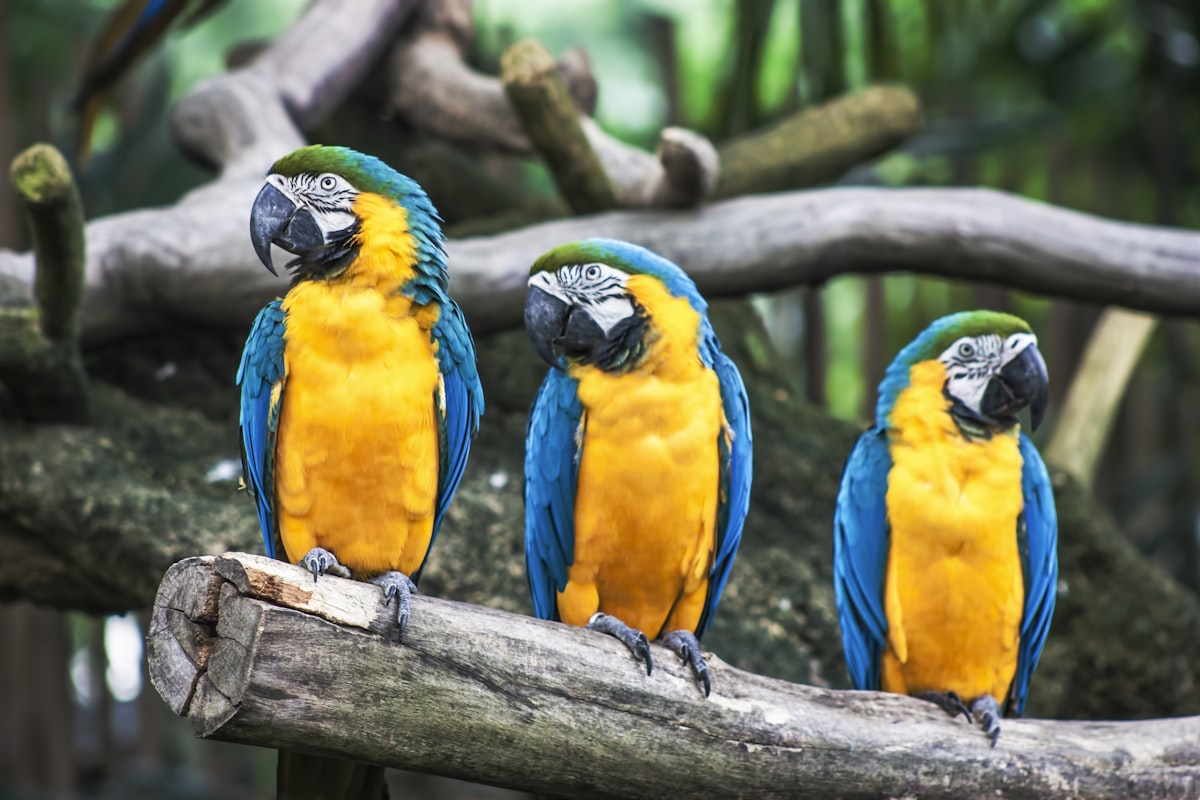
Ask whether the caregivers have experience with your specific species. Caring for a budgie is very different from caring for a macaw or an African grey, and experience with your bird's species means they will better understand its body language, vocalization patterns, and enrichment needs.
2. What does a typical day look like for a boarded bird?
A quality boarding service should be able to describe a structured daily routine that includes feeding, cage cleaning, out-of-cage time, enrichment activities, and health monitoring. If the answer is vague or limited to "we feed them and make sure they have water," that is a red flag.
Look for services that offer supervised out-of-cage time, because confinement to a cage for extended periods without exercise or social interaction is stressful for most bird species. Ask about enrichment: do they provide foraging activities, toys, or social interaction beyond basic care?
3. How do you handle emergencies?
Birds can mask illness until they are critically unwell, so the ability to recognize early signs of distress is essential. Ask whether the caregivers know how to identify common signs of illness in birds: fluffed feathers, reduced appetite, changes in droppings, lethargy, or laboured breathing.
Find out whether they have a relationship with an avian veterinarian and what their protocol is if your bird becomes ill. A responsible boarding service will contact you immediately and have a plan in place for veterinary care, including transport to a qualified avian vet.
4. Will my bird be housed near other animals?
Birds and predator species such as dogs and cats should never be housed in the same area. Even if the other animals are well-behaved, the sight, sound, and smell of a predator species causes chronic stress in birds. Ask whether the boarding space is exclusively for birds or whether other animals share the environment.
5. Do you offer a consultation before the stay?
A pre-boarding consultation is a hallmark of a professional service. This meeting allows the caregivers to learn about your bird's diet, routine, personality, medical history, and any behavioural quirks. It also gives your bird a chance to experience the new environment briefly before the actual boarding stay, which can significantly reduce anxiety.
If a service does not offer or require a consultation, proceed with caution. Quality care depends on understanding the individual bird, not applying a one-size-fits-all approach.
6. What updates will I receive?
Daily photo or video updates should be standard. These updates not only give you peace of mind but also serve as documentation that your bird is being well cared for. Ask about the frequency and format of updates: do they send photos via text, email, or a client portal? Can you request additional updates if you want them?
Red Flags to Watch For
Some warning signs that a boarding service may not be the right choice:
- No consultation offered or required. A service that does not want to learn about your bird before accepting them may not provide individualized care.
- Inability to answer species-specific questions. If they cannot tell you the dietary difference between a cockatiel and a conure, they may lack the knowledge to care for your bird properly.
- Multi-species environment with dogs or cats. Even well-managed multi-species facilities present risks to birds through stress, airborne contaminants, and noise.
- No relationship with an avian vet. A facility that boards birds should have an established relationship with a qualified avian veterinarian, not just a general practice vet.
- Reluctance to show the facility. Transparency is essential. Any reputable service should be willing to show you where your bird will be housed before you commit.
- No references or reviews. Look for reviews from other bird owners specifically. Dog and cat reviews do not tell you anything about how they handle avian care.
- Unusually low pricing. Professional bird care requires time, knowledge, and resources. If the price seems too good to be true, the level of care may reflect that.
Types of Boarding Options Available
Understanding the different types of boarding services available will help you make an informed choice based on your bird's needs and your budget.
Dedicated Bird Boarding Facilities
These are the gold standard. Facilities that focus exclusively on birds have the deepest expertise, the most appropriate environment, and the best understanding of avian behaviour and health. They typically offer structured daily routines, species-appropriate enrichment, and caregivers who are experienced with a wide range of bird species. At Avian Haven Richmond Hill, this is exactly the model we follow.
Avian Veterinary Clinics
Some avian vet clinics offer boarding services. The advantage is immediate access to veterinary care if your bird becomes ill. The disadvantage is that the environment may feel clinical rather than home-like, and the staff may be focused on medical care rather than enrichment and social interaction.
General Pet Boarding Facilities
Large pet boarding facilities like PetSmart or independent kennels sometimes accept birds. These facilities are designed primarily for dogs and cats, and the avian section, if it exists, is often an afterthought. The noise level from barking dogs, the presence of predator species, and the limited avian expertise of the staff make these facilities a less ideal choice for most bird owners.
In-Home Pet Sitters
Platforms like Rover or Pawshake connect you with individuals who offer pet sitting from their homes. The quality varies enormously. Some sitters have genuine bird experience, while others have never handled a bird before. If you choose this route, interview the sitter thoroughly, ask for bird-specific references, and visit their home to evaluate the environment.
Friends and Family
Asking a trusted friend or family member to care for your bird can work well if that person has experience with birds and is willing to follow your care instructions precisely. The risk is that well-meaning people without bird experience may inadvertently expose your bird to hazards like non-stick cookware fumes, toxic foods, open windows, or other household dangers that experienced bird owners know to avoid.
What Good Boarding Looks Like
When you have found the right boarding service, you should expect the following:
- A thorough consultation before your bird's stay, covering diet, routine, health, and personality
- A clean, climate-controlled environment designed for birds
- Daily feeding with fresh, species-appropriate food prepared to your specifications
- Regular cage cleaning and sanitization
- Supervised out-of-cage time and enrichment activities
- Daily health monitoring with attention to eating habits, droppings, and behaviour
- Photo or video updates sent to you daily
- A detailed care log shared at pickup summarizing your bird's stay
- Clear communication about pricing with no hidden fees
- A calm, bird-safe environment free from predator species
At Avian Haven Richmond Hill, every one of these elements is standard for every stay. We believe that professional bird boarding should never be a compromise, and our transparent pricing reflects the genuine quality of care your bird receives.
Making Your Decision
Take your time evaluating options. Visit facilities in person, ask detailed questions, and trust your instincts. If something feels off during your visit or conversation, it probably is. Your bird deserves care from someone who understands them, respects their needs, and treats them as the intelligent, sensitive companion they are.
If you are a Richmond Hill bird owner looking for professional boarding, we invite you to schedule a consultation with our team. We are happy to answer any questions and show you exactly how we will care for your feathered family member.